
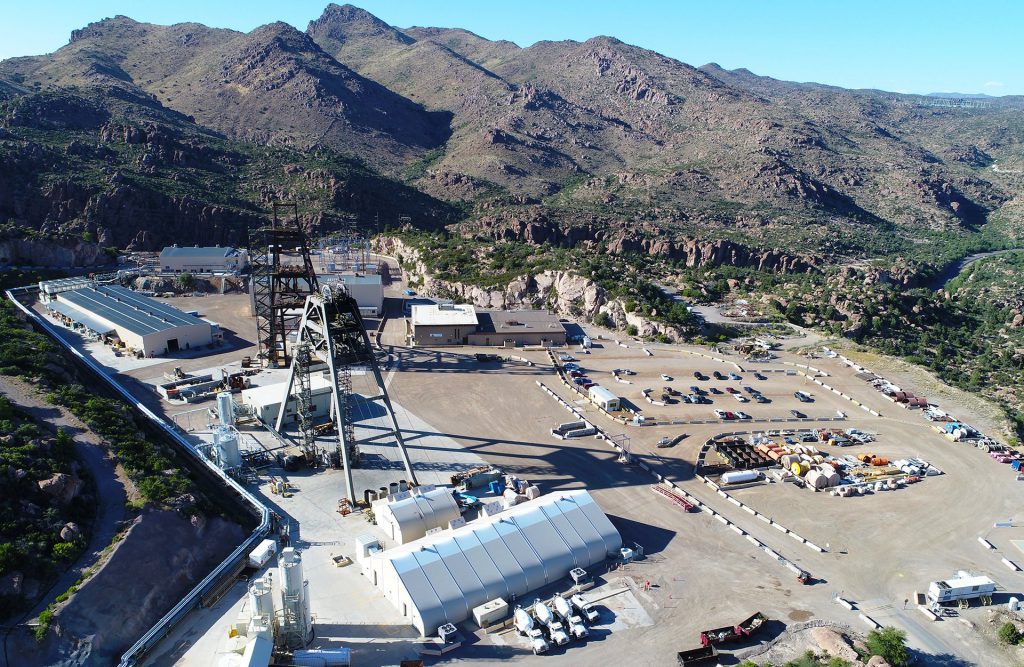
Argentina has large undeveloped copper resources beneath the High Andes Mountain range. The deposits are important because copper is crucial for electrification technologies like electric vehicles, renewable energy systems, battery infrastructure, and power transmission networks. Major copper projects in Argentina include the Josemaria project, the Los Azules project, and the El Pachón project. Copper extracted from these projects stimulates smelting and refining industries, manufacturing supply chains, power infrastructure expansion, and transportation investments. However, mining in the Andes faces technical and environmental challenges, including high-altitude conditions, transportation infrastructure, and environmental sensitivity. Hence, mining companies must address water management, glacier protection, waste containment, and emissions reduction. Copper supports smart grids, high-voltage transmission systems, renewable interconnections, and energy storage facilities. Such interconnections rely on high-quality anchor rods to ensure the stability of the infrastructure used in copper mining.
Anchor rods serve as the foundation that transfers the pulling force from guy wires and other equipment into stable soil. The rods serve as the secure attachment point for guy wires. It is inserted deep into the ground, and the guy wire is attached to its exposed end. It is essential for stabilizing communication towers, power poles, and conveyor supports in the high-altitude Andean sites. Anchor rods prevent rock falls in underground tunnels, shafts, and stopes where copper ore is extracted. High-quality rods reduce stress concentrations on surface foundations and ensure stability during seismic events common in the Andes. They transfer the tensile pulling force from the surface structure into the deeper competent ground rock. Additionally, anchor rods provide the holding power that keeps mining infrastructure upright and safe.
Quality assurance for anchor rods used in copper mining in the Andes
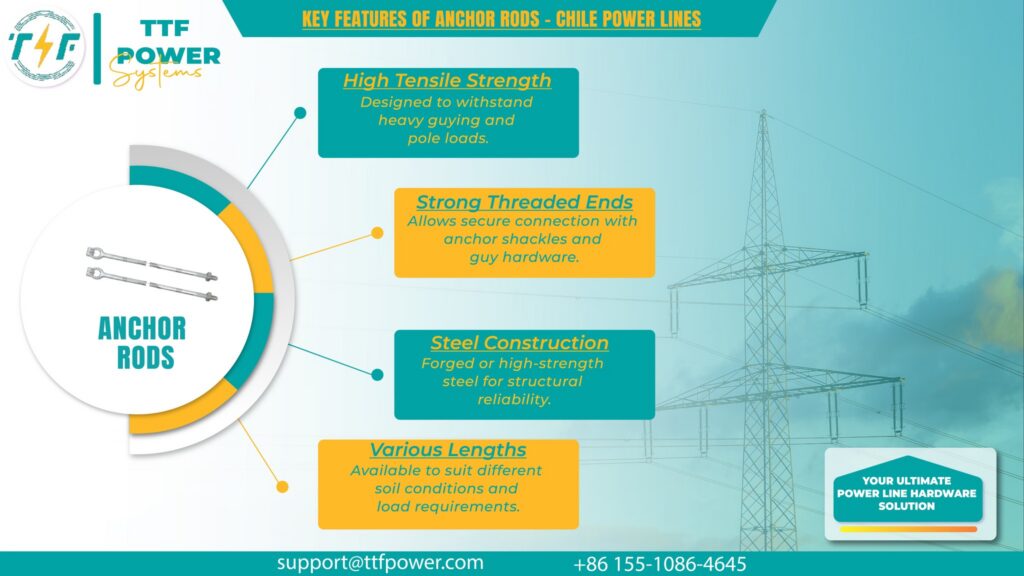
Proper quality assurance for anchor rods in Argentina’s copper mining industry helps maintain structural stability, worker safety, and operational reliability. Quality rods serve in mining infrastructure, electrical systems, processing plants, transmission structures, and heavy industrial foundations. Anchor rods are installed in structural steel foundations, conveyor systems, transmission towers, grinding plants, substation equipment, and pipe racks. Anchor rods undergo strict quality assurance throughout manufacturing, installation, and maintenance. QA ensures the rods meet mechanical, dimensional, and environmental performance standards. This helps reduce risks such as structural instability, equipment misalignment, foundation failure, electrical infrastructure collapse, and production downtime. The QA process includes material quality verification, tensile and yield strength testing, corrosion resistance testing, and dimensional verification. The rods also undergo welding and fabrication QA, non-destructive testing, and installation quality assurance.
The roles of anchor rods in copper mining infrastructure in Argentina
Anchor rods serve as the primary load-transfer interface between surface structures and their concrete foundations. They serve in processing plants, crushing stations, conveyor systems, transmission towers, substations, and electrical infrastructure. Here are the roles of anchor rods in copper mining infrastructure.
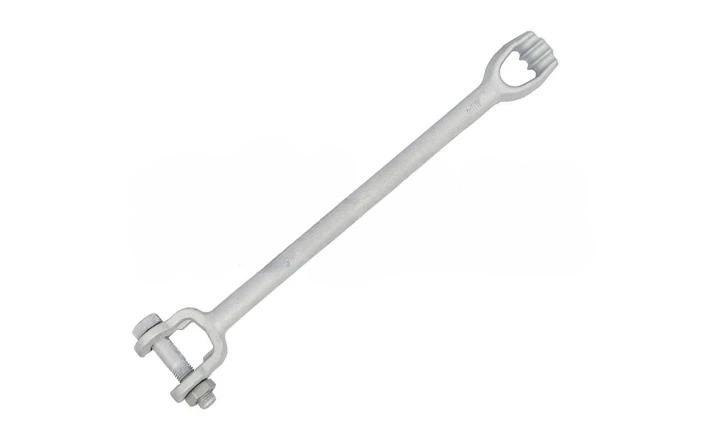
- Structural load transfer – anchor rods transfer loads from above-ground structures into the foundation system. They also secure machinery to reinforced concrete bases and ensure reduced vibration movement, operational alignment, and reduced wear on equipment components.
- Foundation stability – anchor rods prevent uplift of steel structures, sliding base plates, and tilting of foundations. They create a connection between steel superstructures, reinforced concrete foundations, and rock-anchored systems.
- Seismic resistance – the rods distribute seismic energy into foundations, prevent sudden structural displacement, and maintain structural alignment during ground movement.
- Alignment and positioning – anchor rods ensure accurate positioning of machinery, proper alignment of conveyor systems, and stability of rotating equipment. They also enable accurate placement of structural modules and easy integration of expansions.
Importance and uses of copper in Argentina’s energy sector
Copper is a critical material in Argentina’s energy sector as the country expands renewable generation, modernizes the grid, and aligns with global electrification trends. The transmission, renewable integration, and electrification projects rely on copper’s electrical and thermal conductivity, durability, and corrosion resistance. Here are the common uses of copper in the energy sector.
- Renewable energy systems – Copper is critical in wind turbine generators, solar panel wiring, inverters and power electronics, and grounding systems.
- High-voltage power transmission – copper ensures low energy loss during transmission and improves grid efficiency over long distances. It is crucial in conductors, substation wiring, transformers and switchgear, and grounding and earthing systems like anchor rods.
- Grid modernization and expansion—copper is also essential for smart grid systems, digital substations, automated control systems, and load balancing equipment.
- Electric vehicles – copper is crucial for electric motors, battery connections, charging infrastructure, and power electronics.