
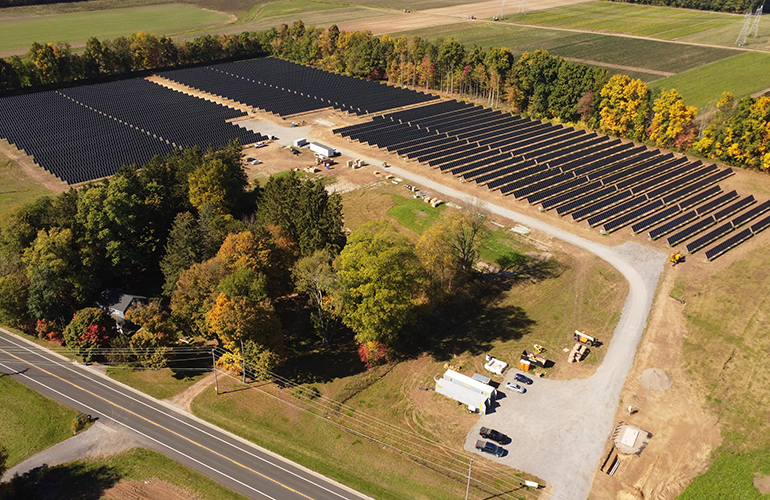
Argentina’s distributed generation sector recorded expansion in 2026 while highlighting the accelerating adoption of decentralized renewable energy in the country. The installed capacity increased by 40.9 MW, rising from 118.6 MW to 159.5 MW. This growth arises from larger installations and the growing participation of households, businesses, industries, and other electricity consumers generating power for their own use. Distributed generation allows electricity to be produced closer to the point of consumption. This helps reduce dependence on centralized power plants and eases pressure on transmission and distribution networks. Distributed generation can complement utility-scale solar and wind capacity by diversifying the electricity supply and enables consumers to be active participants in the energy market. The increase in distributed generation creates new technical needs for Argentina’s electricity networks. This leads to demand for reliable infrastructure, including control equipment, surge protection, grid connection hardware, cable accessories, and aluminum-welded terminals.
Aluminum welded terminals in distributed solar infrastructure enable high-performance electrical connections and provide structural support for PV plants. The terminals help balance electrical performance with long-term durability in outdoor environments. Aluminum welded terminals connect individual solar cells to form a module. They also extend and connect wiring runs from modules to combiner boxes or inverters. The terminals create a safe and low-resistance path to ground for the entire system. This protects equipment and personnel from electrical faults and lightning strikes. They also weld aluminum components for racking systems that support solar panels.
Quality assurance for aluminum welded terminals in Argentina’s distributed generation infrastructure
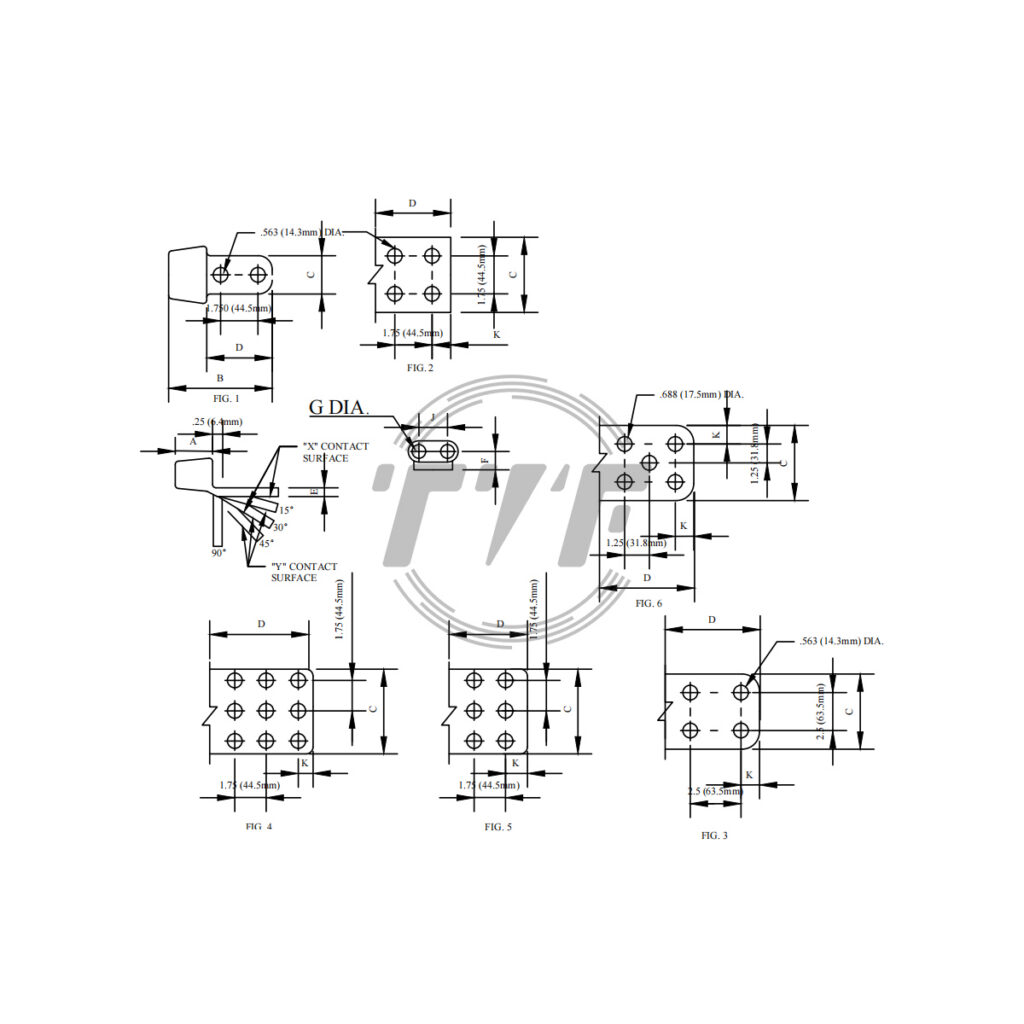
Aluminum welded terminals provide a conductive interface between aluminum conductors and electrical equipment. Conducting quality assurance for the terminals ensures they maintain electrical and mechanical performance throughout their service life. It helps prevent a failure at one terminal that can cause overheating, energy losses, equipment damage, or an interruption in power delivery. High-quality terminals help maintain electrical continuity, reduce contact resistance, improve system efficiency, withstand mechanical stresses, and improve operational safety. The process covers material inspection, weld quality inspection, dimensional accuracy, electrical performance testing, and mechanical strength testing. It also includes mechanical strength testing, corrosion resistance, and environmental testing. Quality assurance ensures the safety, efficiency, and reliability of the evolving distributed energy infrastructure.
Roles and importance of aluminum welded terminals in Argentina’s distributed generation infrastructure
Aluminum welded terminals provide a stable, conductive, and mechanically secure termination point within generation, distribution, and grid-interconnection systems. They provide the electrical and mechanical interface needed to connect generation equipment to distribution infrastructure. Their performance influences system efficiency, safety, reliability, and maintenance needs. Here are the functions of the welded terminals in distributed generation infrastructure.

- Providing reliable electrical termination—the aluminum welded terminal establishes a low-resistance connection between an aluminum conductor and equipment. This connection ensures that electricity generated by solar installations flows through the system with minimal electrical losses.
- Supporting solar and distributed generation connections—the terminals serve in photovoltaic generation facilities, collection systems, distribution equipment, and grid interconnection infrastructure.
- Maintaining electrical efficiency – properly installed terminals provide a stable contact interface with low electrical resistance. This reduces energy losses, voltage drops, localized heating, connection degradation, and electrical interruptions.
- Supporting grid expansion and modernization—aluminum–welded terminals form the wider hardware ecosystem needed to connect renewable generators to distribution infrastructure. They work with conductors, cable accessories, switchgear, transformers, and protection systems.
Implications of increased distribution generation capacity on grid infrastructure
Argentina’s rapid expansion of distributed generation is changing the technical needs of its electricity network. Integration with the grid helps accommodate bidirectional power flows, variable renewable generation, changing protection needs, and the number of energy users. Key implications include the following:
- Increased pressure on distribution networks – higher levels of distributed generation can place demands on local distribution infrastructure. The need for the upgrades varies according to the concentration and size of distributed generation installations.
- Bidirectional power flows—distributed generation introduces bidirectional power flows when solar installations produce more electricity than the consumers’ needs. This creates new technical challenges involving reverse power flow, voltage rise, and transformer operation.
- Modernization of protection systems – distributed generators can contribute to fault current that affects the operation of conventional protection systems. Upgrading protection systems helps manage islanding risks, changed fault-current levels, and reverse fault-current flows.
- Expansion of smart grid technologies—the expansion supports the deployment of smart meters, remote monitoring systems, automated switches, and digital substations.