
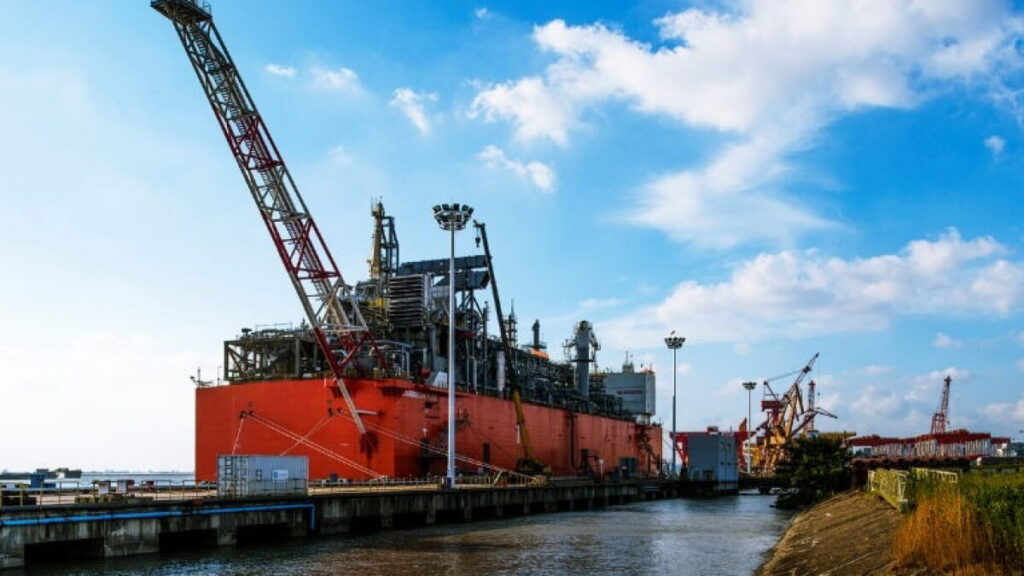
Argentina is moving closer to establishing itself as a major liquefied natural gas (LNG) exporter. YPF is advancing negotiations with international buyers as it develops a large-scale LNG export project alongside XRG and Eni. This project will depend on extensive industrial infrastructure to transport natural gas from Vaca Muerta. Vaca Muerta contains shale formations that need hydraulic fracturing and horizontal drilling to extract natural gas and oil. The collaboration will lead to the development of two floating liquefaction facilities that need capital investment. These operations will need a reliable pipeline network to transport large volumes of natural gas from the inland production fields to the Atlantic coast. It will also need large amounts of electricity to operate compressors, refrigeration systems, pumps, control equipment, and auxiliary machinery. This infrastructure will include power transformers, circuit breakers, substation equipment, cable suspension bolts, and insulator fittings.
Cable suspension bolts secure cable suspension clamps, brackets, and messenger wires to utility poles for overhead electrical distribution. The bolts support marine-grade structural bolts, high-integrity cryogenic flange fasteners, and specialized clamps to secure subsea production lines and power cables. Remote extraction fields in Vaca Muerta and coastal supporting LNG infrastructure that rely on local electrical grids and fiber-optic communication lines. The suspension bolts serve on utility poles running alongside access roads and surface facilities to route power and instrumentation data cables to compressor stations, metering facilities, and valve yards. The design of the cable suspension bolts supports the arrangement, cable load, mounting structure, and environmental exposure.
Quality assurance for cable suspension bolts in Argentina’s FLNG and pipeline infrastructure
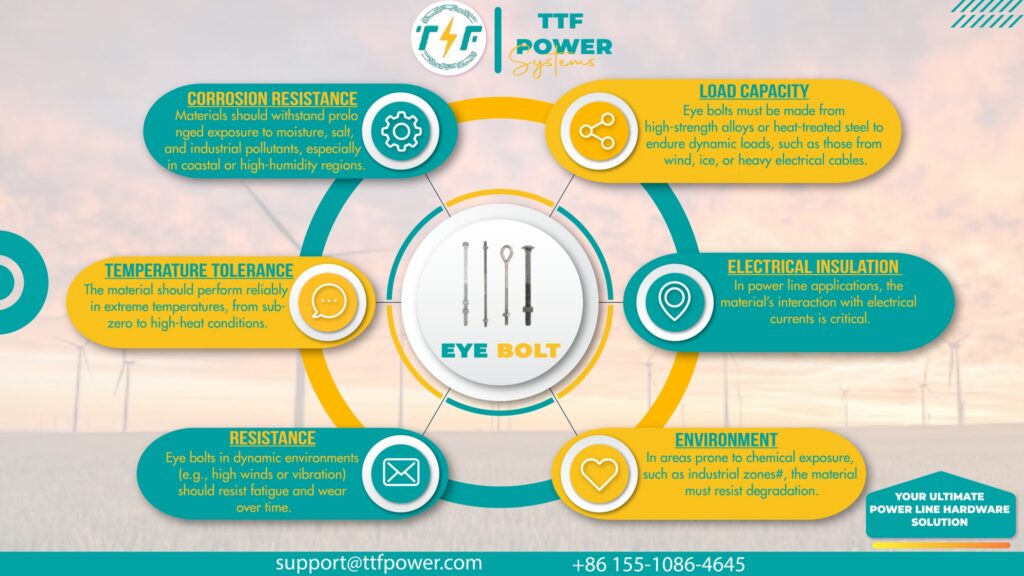
Cable suspension bolts secure cable-support assemblies to structural steelwork, equipment frames, brackets, and other mounting points. In FLNG, the bolts keep electrical and instrumentation cables in their intended positions. A defective bolt can allow a cable tray, cleat, or suspension assembly to loosen under vibration, movement, or mechanical loading. This can lead to cable sagging, excessive bending, damaged insulation, and loss of support. Quality assurance verifies that each cable suspension bolt meets the project’s requirements for material, dimensions, mechanical strength, corrosion resistance, and manufacturing quality performance. During manufacturing, manufacturers control forging, machining, heat treatment, thread rolling, and coating processes. Poor process control can produce inconsistent mechanical properties. Cable suspension bolts help attach support brackets, cable hangers, and other approved mounting assemblies to vessel structures and equipment frames. Quality assurance for the bolts ensures that the installations remain mechanically secure under operating conditions.
Cable suspension bolts in FLNG and pipeline infrastructure in Argentina
Cable suspension bolts secure cable-support systems to structural steelwork, equipment frames, brackets, and mounting channels. In FLNG and natural gas pipelines, the bolts keep power, control, instrumentation, and communication cables supported along their designated routes. Their key roles include:
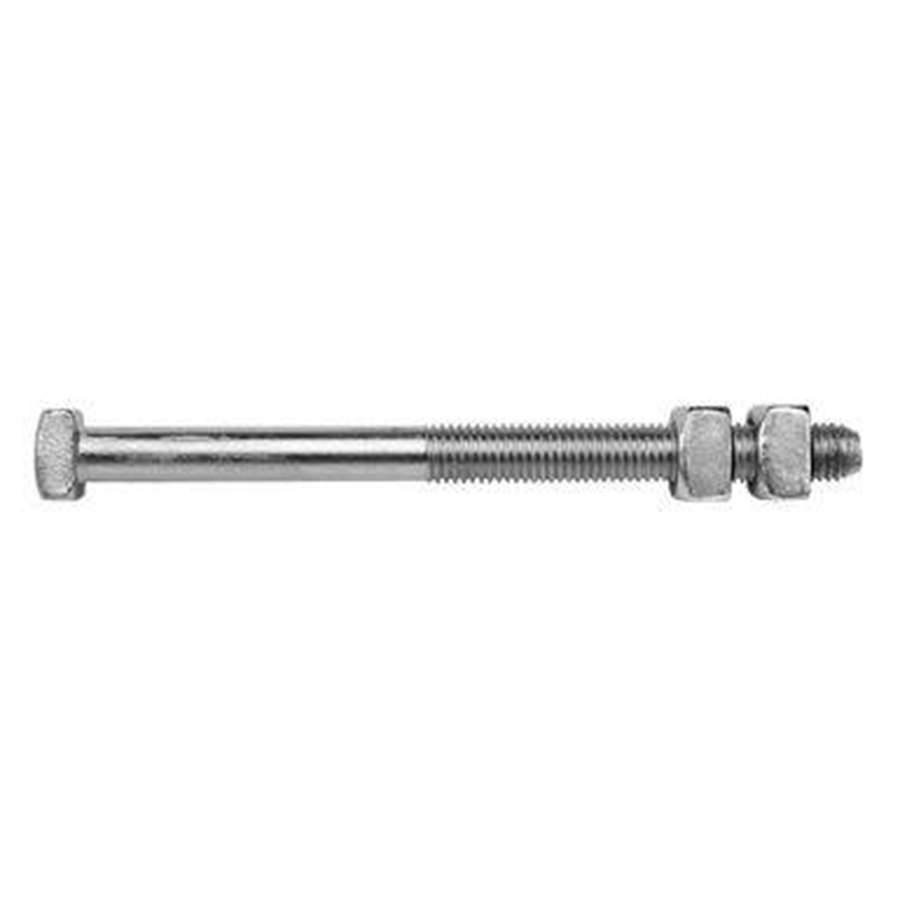
- Securing electrical cable-support systems: cable suspension bolts fasten cable-support assemblies to structural members. They secure cable trays and support brackets to vessel structures and maintain consistent spacing between support points.
- Maintaining cable stability under vessel movement and vibration: the bolts help maintain the stability of support assemblies when they experience machinery vibration, vessel movement and structural motion, and thermal expansion and contraction.
- Protecting electrical power and control cables: cable suspension bolts protect cables by keeping their support arrangements secure and maintaining the intended cable routes.
- Supporting electrical equipment installations: the bolts help mount components around electrical equipment. They maintain the required positioning of cable-support assemblies around the equipment.
YPF’s infrastructure development for oil export in Argentina
YPF’s investment in pipelines, storage facilities, and export terminals can help move crude oil from the Vaca Muerta formation. The export infrastructure development could increase foreign-currency earnings and strengthen the country’s trade balance. Key impacts include:
- Increasing crude oil export capacity: YPF’s infrastructure development can transport larger volumes of crude oil from Vaca Muerta to international markets.
- Increasing foreign-currency earnings: oil exports provide Argentina with foreign currency that can support international trade, investment, and financial stability.
- Reducing transportation bottlenecks in Vaca Muerta: expansion of the Vaca Muerta oil production creates pressure on existing pipelines and transportation facilities. The development improves the ability of oil companies to plan production, reduce logistical constraints, and increase the volume of crude available for export.
- Attracting investment into Argentina’s oil sector: YPF’s investment in VMOS helps create a transportation route that handles larger production volumes.