
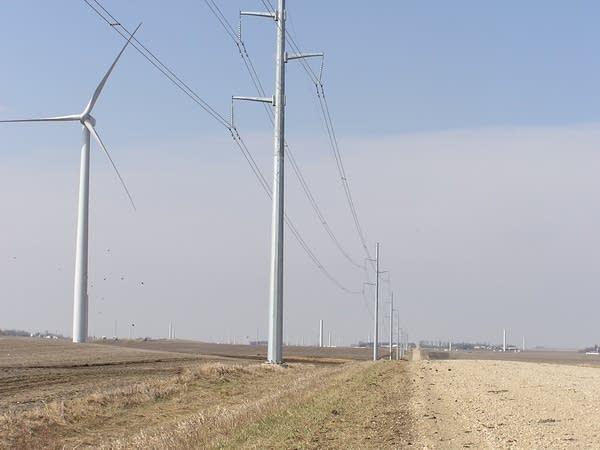
In the last month, Brazil added 703.7 MW of wind and solar generation capacity. This expansion contributes to energy transition and reduced use of fossil fuels. The development demands reliable transmission and distribution infrastructure to transmit the generated electricity to consumers. Wind farms contributed 648 MW through their 23 new facilities. To transmit the energy generated, the project will need overhead transmission lines, substations, conductors, deadend pole bands, and line hardware. Additionally, renewable generation facilities have transformers, switchgear, overhead lines, and other electrical equipment that need effective grounding and protection. The expansion of renewable generation also needs grid operators to maintain stable voltage and frequency while managing changing generation levels. The products used must be quality-assured to prevent corrosion and poor installation, which can cause equipment failures and unplanned outages.
In wind farm collector lines, the deadend pole bands wrap around the pole to provide an anchoring point and transfer the tension to the pole without damaging the pole body. Deadend pole bands securely anchor conductors to utility poles at points where the line terminates, changes direction, or needs withstanding unbalanced tension. The pole band distributes the concentrated load from the conductors across a larger pole surface area. This helps reduce stress on a single point of the pole and extend the service life of the pole and hardware. Pole bands contain excellent anti-corrosion performance to ensure long-term stable operation under harsh climatic conditions. Deadend pole bands secure conductor connections between wind turbines and substations. This helps ensure reliable transition of conductors at the interconnection point.
Quality assurance for the deadend pole bands used in Brazil’s wind farms and interconnection hardware
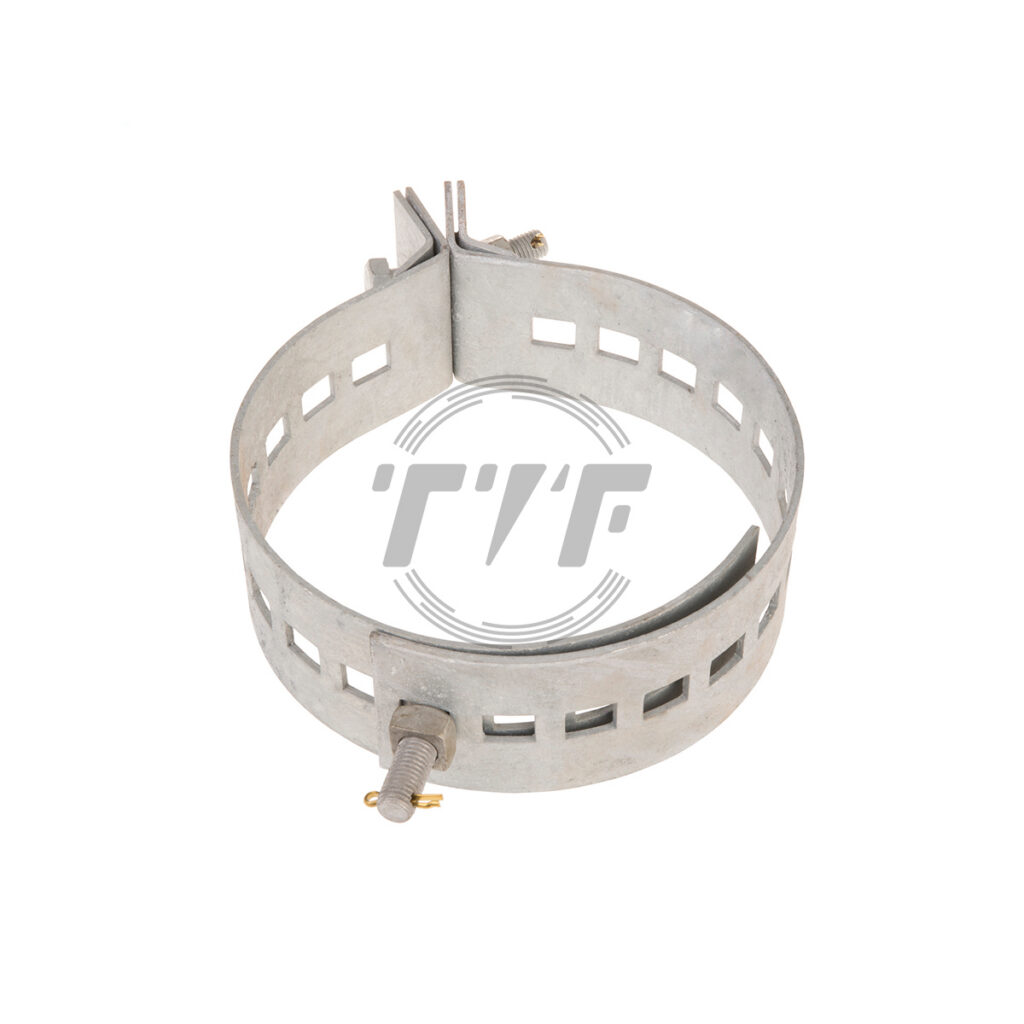
Deadend pole bands attach line hardware to utility poles and provide mounting points for components that hold conductors under mechanical tension. Connecting the wind farms to Brazil’s grid demands reliable electrical infrastructure. Deadend pole bands contribute to the mechanical support arrangement used in the networks. Their quality affects the stability of pole-mounted assemblies, the security of attached fittings, and the reliability of overhead electrical infrastructure. Pole band manufacturers should verify material strength, dimensional accuracy, corrosion protection, welding quality, and load-bearing performance before supplying to utilities. High-quality deadend pole bands maintain a secure mechanical connection between the pole and the attached electrical hardware. The quality assurance process for the bands checks material selection, dimensional accuracy, welding quality, corrosion resistance, mechanical load testing, and connection reliability. QA helps identify common defects such as insufficient steel thickness, incorrect band diameter, weld cracks, poor fastener quality, and excessive deformation.
The roles of deadend pole bands in transmission infrastructure supporting wind farms
Deadend pole bands provide mechanical support for overhead line hardware at points where conductors terminate, change direction, or transfer tension to a pole. They support the pole-mounted assemblies used on overhead distribution and collector circuits in wind farm infrastructure. Their key roles include:
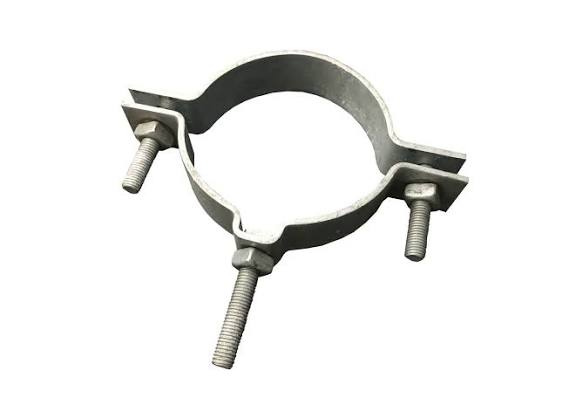
- Securing conductors at termination points: the deadend pole band provides an attachment point for deadend insulators, brackets, strain hardware, and related fittings.
- Supporting overhead collector circuits: wind turbines generate electricity that passes through individual turbine transformers and collector feeders before reaching the collector substation. The deadend pole band secures the mechanical assemblies that support and terminate conductors.
- Maintaining mechanical reliability under wind loading: deadend pole bands help maintain the position of attached hardware under diverse conditions. The band can help reduce rotation, slip, or deformation.
- Supporting overhead-to-ground transitions: the deadend pole band supports the mechanical fittings that terminate overhead conductors before they enter underground cable systems.
Technical infrastructure supporting the expansion of wind power in Brazil
Brazil’s wind power expansion needs an infrastructure network that can collect electricity from turbines, transform voltage, send power across long distances, and maintain grid stability. Much of the electricity generated should travel through the transmission network to reach major consumption areas. This creates demand for:
- Collector systems and substations: this system gathers power from turbines and transfers it to a central substation.
- Grid stability and voltage control equipment: the grid needs equipment that can maintain acceptable voltage levels and support stable operations during disturbances.
- Digital monitoring and control systems: these systems help track generation, detect faults, and coordinate operations with grid operators.
- Energy storage and flexible power resources: BESS support the integration of wind power by storing electricity when generation exceeds demand.