
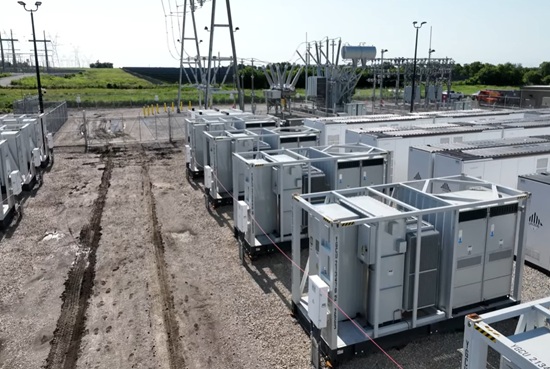
Colbún’s hybridization of the 232 MW Diego de Almagro Sur PV plant with a 228 MW, 912 MWh storage system represents a technically and commercially significant development in Chile’s National Electric System. The project will strengthen grid resilience, reduce curtailment, and speed up Chile’s transition toward a high-renewable and low-carbon energy matrix. This project addresses curtailment reduction, peak shifting and arbitrage, grid stability and ancillary services, and transmission congestion relief. Key technical aspects of the project include advanced energy management systems, SCADA integration with the grid, grid-following inverter systems, and utility-scale lithium-ion battery technologies. The integration of these systems allows utilities to strengthen the renewable supply and provide stability to Chile’s electrical system. The interconnection of these systems uses robust hardware like aluminum wedge deadends.
Using aluminum wedge deadends in Chilean BESS projects provides vibration-proof cable termination and structural support for aluminum conductors. Wedge deadends terminate aluminum-based cables at the take-off points where the BESS connects to the collector substation. They provide a helical grip that reduces stress concentration at the point of termination. This helps prevent conductor fatigue by aeolian vibration. The wedge design holds the conductor without cutting the strands if a seismic event causes the transmission or distribution line to snap out. Wedge clamps provide redundant safety in tension scenarios. BESS projects use aluminum conductor steel reinforced or all aluminum alloy conductors. Wedge deadends are made from aluminum alloy to prevent galvanic corrosion. This is crucial for coastal BESS projects that face salt-laden air. The aluminum-to-aluminum contact prevents the corrosion seen with galvanized steel strand hardware.
Quality assurance for aluminum wedge deadends used in Chile’s BESS projects
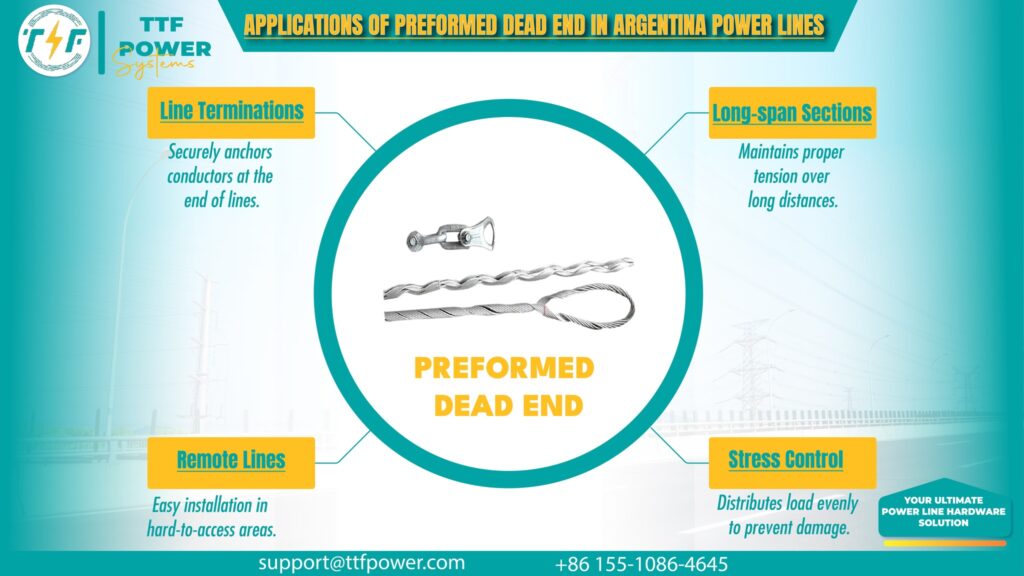
Ensuring quality assurance for wedge deadends is crucial to ensure the reliability function of Chile’s BESS projects. They are crucial for battery storage facilities correlating with solar PV plants and medium-voltage collection systems. They function as feeder extensions to substations and auxiliary overhead service lines within large project sites. Quality assurance for the deadends must address mechanical strength, electrical continuity, corrosion resistance, and long-term stability. The process must confirm that wedge and body components meet required aluminum alloy grades. Common checks include chemical composition analysis, verification of alloy conformity to ASTM or IEC standards, and mechanical property validation. Quality assurance protocols also include mechanical performance testing, surface finish and corrosion resistance. It also includes electrical continuity, dimensional accuracy, and manufacturing quality control.
Functions of aluminum wedge deadends in Chile’s BESS project development
Aluminum wedge deadends perform a structural and electrical termination function within medium-voltage overhead interconnection infrastructure. They serve at the grid interface where storage facilities connect to substations. Aluminum wedge deadends support mechanical stability, electrical continuity, and system reliability. Here are the key functions of the aluminum wedge deadends in BESS projects.
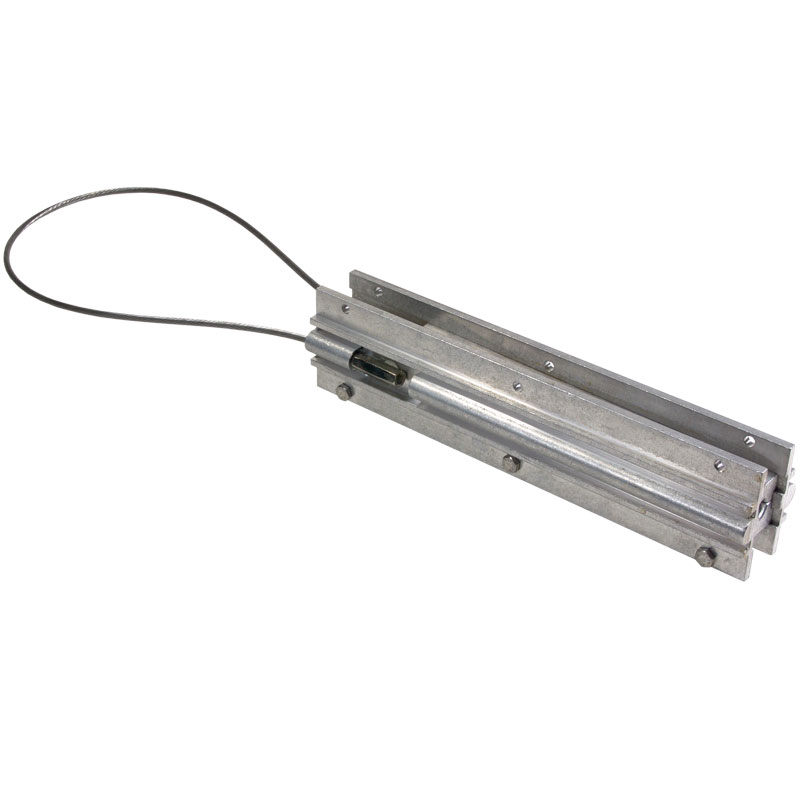
- Conductor termination—the wedge deadend anchors aluminum conductors at terminal structures, transfers full tensile load from the conductor to the insulator and poles, and maintains line geometry and sag control.
- Mechanical load transfer—the dead ends transfer conductor tension to crossarms and insulator strings. They also withstand wind loading and thermal expansion forces.
- Electrical continuity at termination points—aluminum wedge deadends maintain conductive contact between strands, prevent resistance increases at termination points, and support efficient power export.
- Support for grid interconnection reliability—using the deadends in the infrastructure contributes to reliable power evacuation, reduced risk of conductor detachment, and compliance with interconnection standards.
Commercial and market implications of Chile’s BESS project development
Chile’s large-scale battery energy storage system project development reshapes the power market structure, revenue models, and investment landscapes. Chile is transitioning from rapid solar and wind expansion toward system flexibility and dispatch optimization. BESS projects enable energy arbitrage, participation in ancillary service markets, and enhanced compliance with firm energy supply contracts. Chile’s Atacama region has some of the world’s highest solar irradiation levels, leading to oversupply during daylight hours. Using BESS projects to store energy leads to improved asset use rates, higher effective plant load factors, and increased internal rates of return for hybrid projects. BESS project development reduces reliance on thermal peaker plants and lowers system balancing costs. This can reduce wholesale price volatility, improve system reliability metrics, and strengthen investor confidence. Enhancing grid reliability and stability influences costs and long-term contracts.