
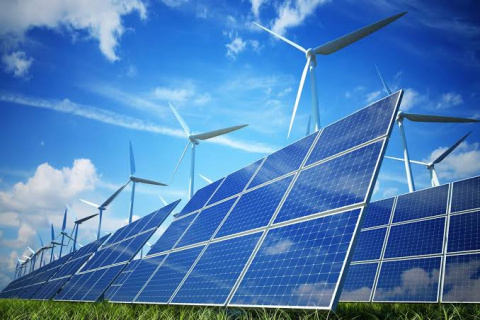
Chile’s solar PV and wind power recorded their highest-ever share in the National Electric System. Chile exceptional solar irradiation in the Atacama Desert, strong and stable wind regimes, competitive renewable auction frameworks, and rapid transmission expansion. Solar and wind output in Chile covered up to 79% of total electricity demand. The expansions and advances in renewable technologies enabled the integration of increasing volumes of variable generation while maintaining grid security and supply continuity. The generation output in Chile’s energy sector was also supported by the development and integration of battery storage systems. These systems could help enhance system flexibility and rid integration of renewables. Solar and wind generation in Chile has also reduced the use of thermal plants, which reduce greenhouse emissions. There are also the advancements of new transmission projects that support renewable energy generation. These advancements use robust hardware such as hotline tap clamps.
Hotline tap clamps ensure the efficient and safe expansion of the renewable grid in Chile. The clamps allow the connection of new solar farms, wind parks, and BESS to existing live transmission lines without de-energizing them. This enables the addition of new renewable generation capacity without power interruptions to customers. Live-line grid interconnection is also crucial for maintaining grid stability and investor confidence. The clamps also enable the installation of new equipment like turbines and inverters and repairs on live lines. This helps reduce costly downtime and revenue losses in large projects. They also allow a modular wiring approach by connecting individual turbines or inverter stations to main collector cables. They do so without home-running each to the substation.
Quality assurance for hotline tap clamps for use in Chile’s solar and wind projects
Quality assurance for hotline tap clamps in Chile’s solar and wind projects reduces failures. These failures lead to overheating, arcing, forced outages, or safety incidents. The clamps enhance reliability, conductivity, and mechanical integrity. The quality assurance process includes material quality and metallurgical control. It verifies electrical conductivity and galvanic compatibility. It also includes mechanical performance testing, electrical performance verification, and environmental durability testing. Quality assurance for hotline tap clamps ensures operational continuity, worker safety, and long-term reliability across Chile’s renewable energy infrastructure. Advanced QA frameworks integrate periodic thermographic inspections, visual corrosion audits, and torque re-verification during maintenance cycles.
The functions of the hotline tap clamps in solar and wind projects in Chile
Hotline tap clamps enable live-line electrical connections to medium- and high-voltage conductors without de-energizing the circuit. This helps support uptime, grid reliability, and operational flexibility in large renewable portfolios. Here are the functions of the hotline tap clamps in renewable projects.
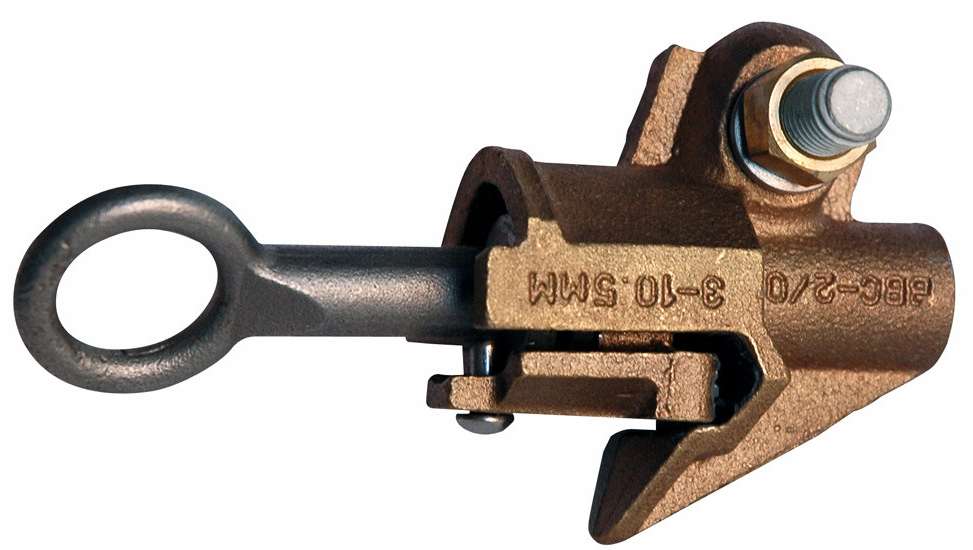
- Live-line tapping of conductors—the hotline tap clamps connect a new conductor to an energized line. It helps maintain service continuity during connection. Hotline tap clamps allow safe mechanical and electrical connection using insulated hot sticks.
- Interconnection of renewable collector systems—hotline tap clamps connect new inverter blocks in solar plants, integrate wind turbines into existing feeders, and tie sectionalized collector circuits together.
- Transformer and equipment connections—hotline tap clamps allow electrical connections between overhead MV lines, surge arresters and line conductors, and reclosers. They connect overhead lines to pad-mounted transformer bushings.
- Grounding and bonding applications—the clamps serve in temporary grounding during maintenance, bonding metallic structures to grounding systems, and connecting grounding jumpers to energized lines.
Chile’s investment strategy in renewable expansion and grid resilience
Investment flows in Chile’s power sector are reshaping the country’s electricity systems. Capital allocation across renewable, transmission infrastructure, and energy storage is reinforcing grid resilience while speeding up decarbonization. Investment influences renewable expansion, grid modernization, and large-scale storage deployment. Here’s how investments influence Chile’s renewable energy sector.
- Utility-scale solar growth—Chile attracts capital into solar PV due to high irradiation levels, stable regulatory frameworks, and long-term corporate PPAs.
- Wind corridor development—capital deployment in wind investments supports turbine procurement and installation, collector system construction, and grid interconnection infrastructure.
- Transmission expansion—capital investment supports new 220kV and 500kV transmission lines, substation upgrades, and reactive compensation systems. The projects reduce congestion, improve power transfer capability, and enhance system stability.
- Energy storage deployment—investments in storage support energy arbitrage, frequency regulation services, and capacity adequacy contributions.