
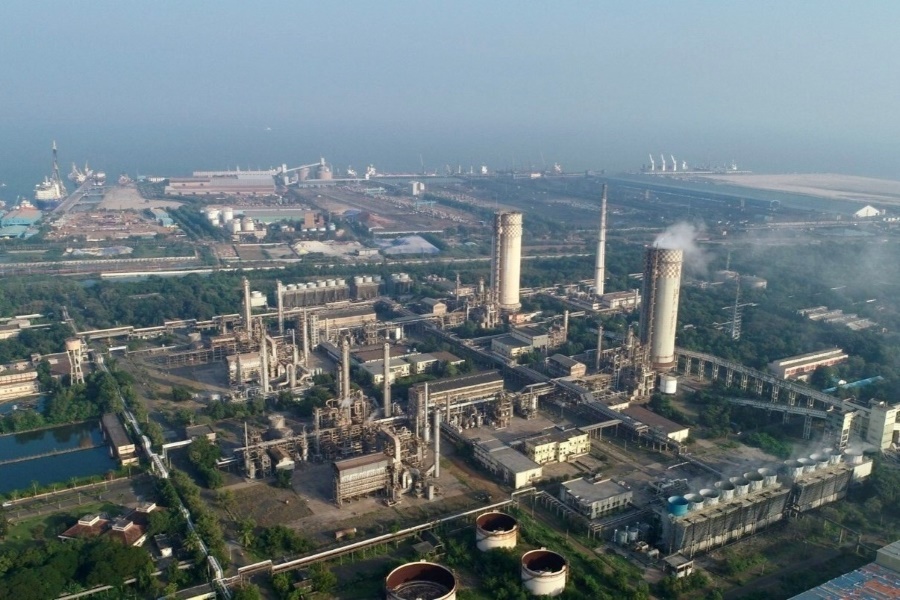
Chile has reached a milestone in its green hydrogen sector with the environmental approval for the Volta Green Ammonia project. The project received a $2.8 billion industrial-scale investment located in the northern Antofagasta region. The project is among the first large-scale green ammonia projects to complete Chile’s environmental impact assessment process. Chile’s Volta project aims to produce 620,000 tonnes of green ammonia annually. Green ammonia will be produced using renewable hydrogen generated through water electrolysis powered by solar energy. The facility will be powered by a 600 MW photovoltaic solar plant providing renewable electricity for hydrogen production. Battery energy storage will help stabilize power supply and improve operational reliability. This development will use double arming plates to build the renewable energy infrastructure and the electrical transmission systems powering the facilities.
The double arming plate acts as a structural connector and reinforcement point for overhead power lines. It provides a secure mounting position for insulator pins, which hold the live electrical conductor wires. Green hydrogen and green ammonia projects need large amounts of carbon-free electricity. The plates serve in the construction of medium-voltage distribution lines within large-scale wind and solar farms to connect turbines and panel arrays. It helps carry power from remote renewable energy zones to the hydrogen and ammonia production facility. Double arming plates support the power lines that distribute electricity from the plant’s main substation to individual process units like rectifiers, electrolyzers, and ammonia synthesis loops.
Quality assurance for double arming plates used in green hydrogen and green ammonia facilities

Double arming plates maintain the mechanical integrity of pole and crossarm configurations under combined electrical, wind, and seismic loads. Chile experiences high UV radiation, coastal corrosion zones, desert thermal cycling, and seismic activity. Conducting quality assurance for the plates enhances their system performance and reliability. The process includes material certification, dimensional accuracy, mechanical strength testing, welding quality control, and corrosion protection systems. Quality assurance helps the double arming plates to deliver consistent structural reliability across transmission networks that power electrolyzers, industrial hydrogen production plants, and ammonia export systems. QA reduces failure risk, extends service life, and ensures the stability of energy infrastructure.
The roles of double arming plates in green hydrogen and green ammonia facilities
Double arming plates reinforce and stabilize crossarm assemblies on utility poles and transmission structures. They form part of the electrical and mechanical structure supporting power distribution, control systems, and auxiliary infrastructure needed for electrolysis, ammonia synthesis, and export operations. Here are their functions in green hydrogen and ammonia infrastructure.
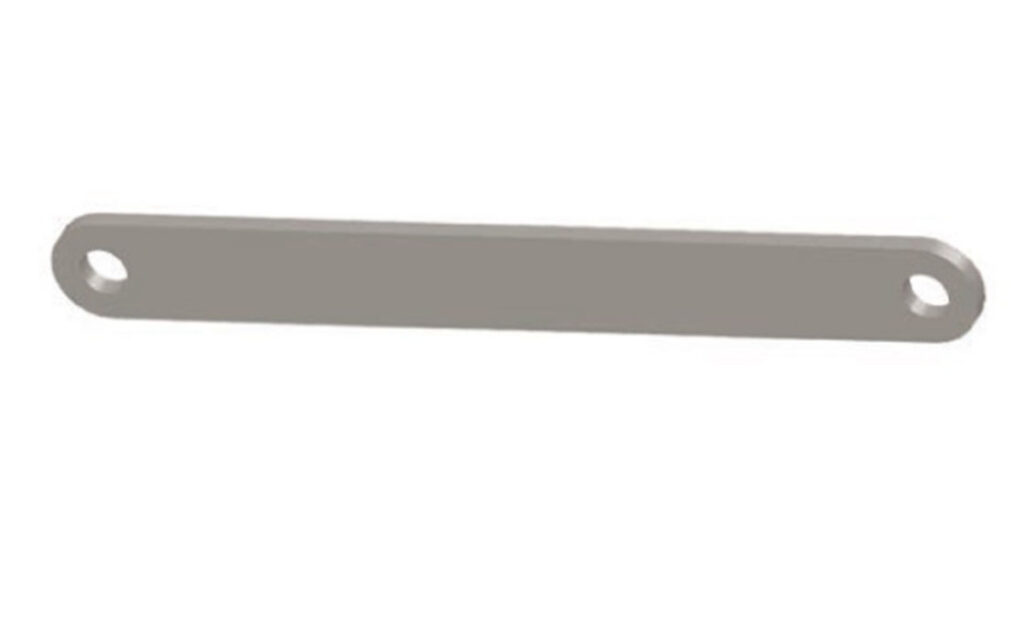
- Structural reinforcement of crossarm assemblies – the plates join and reinforce wooden, steel, or composite crossarms. They also distribute mechanical loads and prevent deformation under tension from conductors.
- Load distribution in power transmission systems – double arming plates balance vertical and horizontal loads on poles and reduce stress concentration at connection points. Load management prevents mechanical failure in high-capacity renewable energy lines feeding hydrogen production hubs.
- Support for high-voltage infrastructure—double arming plates help maintain the integrity of distribution poles feeding substations, step-down transformer support structures, and switching station frameworks.
- Integration with renewable energy transmission networks—the plates support infrastructure connecting solar PV farms, wind energy plants, BESS, and hydrogen production facilities. They ensure that distribution lines remain stable across long spans.
Importance of investments in green hydrogen and green ammonia development in Chile
Investments in green hydrogen and green ammonia infrastructure in Chile help connect renewable energy development, heavy industrial decarbonization, export logistics, and geopolitical positioning in low-carbon fuels. Investments will determine whether Chile will become a marginal producer or a global exporter. Here are the impacts of investments in the developments.
- Enabling industrial-scale hydrogen production—investments support gigawatt-scale electrolyzer installations, power electronics and rectifier systems, and compression and handling systems.
- Building export infrastructure and global market access—investment is crucial for dedicated ammonia export terminals, storage tanks, and refrigeration systems. It is also crucial for loading and unloading and logistics lines linking production sites to ports.
- Strengthening energy security and grid stability – investment in hydrogen infrastructure enables large-scale energy storage, load balancing for intermittent renewable energy, and diversification of energy export revenue streams.
- Driving technological and industrial capability development—increased investments support electrolyzer deployment and localization. They also support advanced automation and control systems, and chemical engineering capacity in ammonia synthesis.