
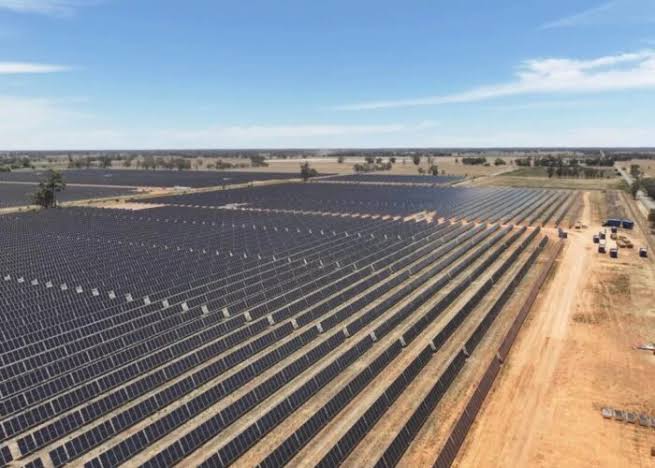
Brazil could experience a strong El Niño in late 2026 that could worsen renewable energy curtailment. The country has solar panels and wind turbines that may generate electricity throughout the day. This creates the need for battery energy storage systems to maintain system stability and avoid transmission congestion. This expansion reduces energy curtailment that creates challenges such as reduced project revenues, greater investment risks, and pressure on power purchase agreements. Expanding transmission networks could increase power transfer capacity, reduce congestion, lower renewable curtailment, and enable continued renewable energy growth. This will also cause the need for high-quality power line hardware that improves network reliability, reduces outages, and supports higher power flows. This hardware includes downlead clamps that bundle and transmit clean energy from resource-rich regions to major load centres.
Downlead clamps serve on ultra-high-voltage transmission lines that provide reliable electricity and reduce carbon emissions. The clamps are essential for the mechanical and electrical connection of conductors to various structures and equipment within the transmission system. They provide a reliable and low-resistance connection for earthing and grounding systems for the safety of the transmission line. Downlead clamps serve in solar farms, wind turbine earthing networks, and substations’ grounding grids. They also serve as a termination point for down conductors in lightning protection systems that protect the transmission lines from lightning strikes. These clamps help maintain the electrical integrity of the entire system.
Quality assurance for downlead clamps
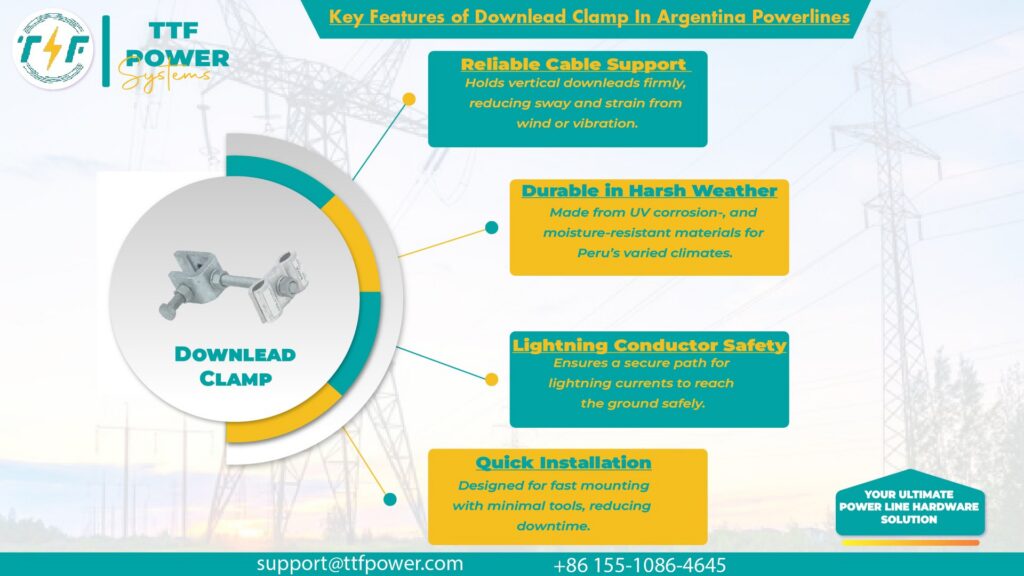
Quality assurance for downlead clamps influences the performance and reliability of Brazil’s renewable energy and grid interconnection infrastructure. Downlead clamps fasten grounding conductors, optical ground wires, ADSS cables, and other cables to transmission structures. These clamps must withstand harsh environmental conditions while maintaining secure cable support and electrical safety. Conducting QA ensures the clamps secure cables without causing mechanical damage, maintaining stable conductor positioning, and withstanding wind, vibration, and thermal expansion. Quality assurance for the clamps prevents loosening, corrosion, cracking, or cable damage. These defects may lead to grounding failures, communication interruptions, or reduced transmission reliability. QA for downlead clamps covers raw material inspection, dimensional inspection, mechanical performance testing, corrosion resistance testing, and environmental testing. High-quality and tested clamps improve grounding reliability, protect fiber-optic communication systems, reduce maintenance costs, and enhance the resilience of transmission infrastructure. Quality-assured clamps contribute to reliable grid interconnection and efficient renewable energy integration in Brazil.
The roles of downlead clamps in Brazil’s renewable energy and grid interconnection infrastructure
Downlead clamps fasten grounding conductors. OPGW, ADSS cables, and earth wires along transmission towers. The clamps ensure the safe, reliable, and efficient operation of the grid interconnection network. Here are their key roles in the interconnection infrastructure.
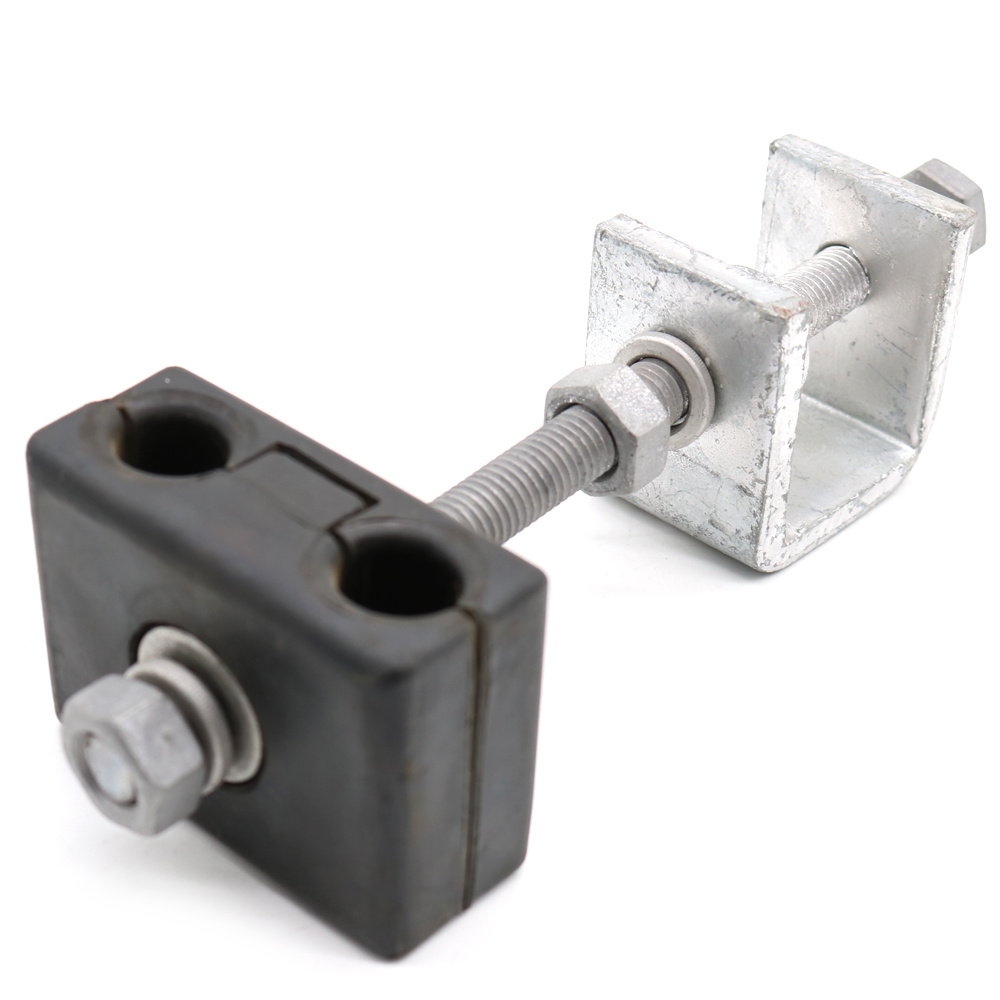
- Securing grounding conductors – the downlead clamp attaches grounding conductors to transmission towers and support structures. This ensures the ground wires remain positioned, grounding paths maintain electrical conductivity, and earthing systems operate effectively during fault conditions.
- Supporting OPGW cables – the clamps hold ADSS cables in place, prevent excessive cable bending, and protect cable jackets from abrasion. This helps improve the reliability of communication systems within renewable energy plants.
- Protecting cables from mechanical damage – downlead clamps maintain proper cable spacing and support and reduce mechanical damage.
- Maintaining proper cable routing – the clamps ensure organised cable routing, proper separation between cables, and safe cable management.
Measures to prevent energy curtailment in Brazil
Curtailment happens when renewable energy production exceeds the grid’s ability to send, store, and consume electricity. Brazil can prevent energy curtailment through coordinated investments in transmission infrastructure, energy storage, grid modernisation, and market reforms. These measures include:
- Expanding high-voltage transmission infrastructure – Brazil should build new high-voltage AC and HVDC transmission lines, upgrade existing substations, and increase transmission capacity in renewable energy zones.
- Deploying utility-scale BESS – BESS stores excess solar generation, absorbs surplus wind power, supplies electricity during evening peak demand, and improves voltage stability.
- Modernising the national grid – grid modernisation enables operators to manage variable renewable generation more efficiently. This may be through digital substations, smart grid technologies, SCADA, EMS, and AI.
- Improving renewable energy forecasting – accurate forecasting helps grid operators expect renewable generation and plan system operations efficiently. Forecasting improvements include high-resolution weather modelling, AI forecasting tools, real-time monitoring, and wind and solar resource prediction systems.