
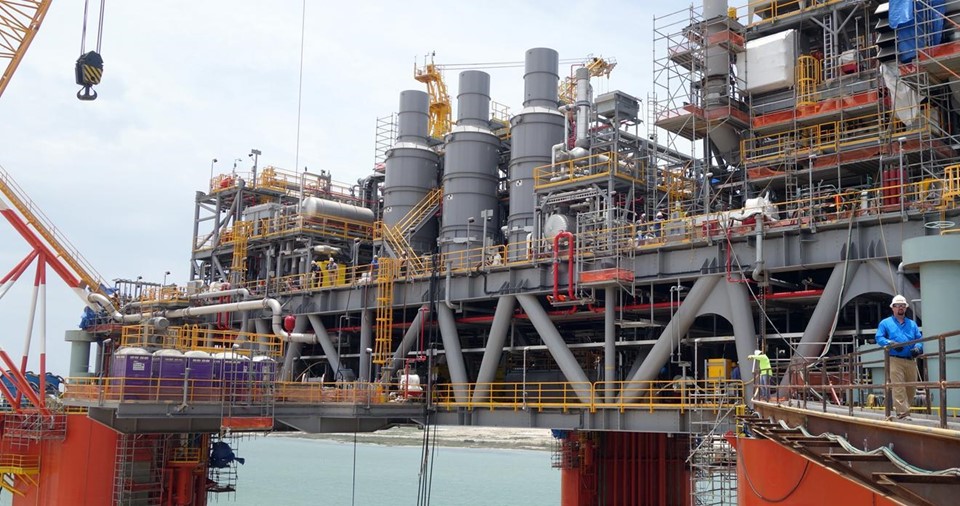
Siemens Energy, by SBM Offshore, was selected to supply power generation and gas compression systems for Petrobras’ P-81 and P-87 FPSOs. This represents a crucial development for Brazil’s offshore oil and gas infrastructure. These projects combine offshore production, gas handling, power generation, and export infrastructure into an integrated production system. The FPSOs need a dependable electricity supply for pumps, compressors, separation equipment, control systems, lighting, water treatment, and other systems. Siemens Energy offers reliable generation needed for offshore equipment. This prevents failures that can interrupt production. The power system helps maintain continuous operation of processing and production equipment. The electrical infrastructure supporting the FPSOs needs reliable components for operating in harsh marine environments. These components include connectors, surge protection, insulators, and thimble eyenuts. The eyenuts serve in both electrical and FPSO infrastructure to manage mechanical tension and protect cables.
Thimble eye nuts create a secure, mechanical termination point for guy wires in power transmission infrastructure. They connect the threaded end of an anchor rod to the person wire that stabilizes utility poles and transmission towers. The thimble shape acts as a protective sleeve and provides a smooth and curved bearing surface for the guy wire loop. This prevents the cable from bending at a sharp angle and protects it from abrasion and fatigue. The eye nuts are designed to handle significant tensile loads to resist the horizontal pulling force of conductors. In FPSOs, the thimble eye nuts help in securing heavy equipment, lifting gear, and cargo on board. They create durable terminations for mooring lines or other tensioned cable systems on the vessels. Thimble eyenuts provide a secure mechanical connection point for equipment grounding and other support tasks.
Quality assurance for thimble eyenuts used in FPSOs and electrical equipment
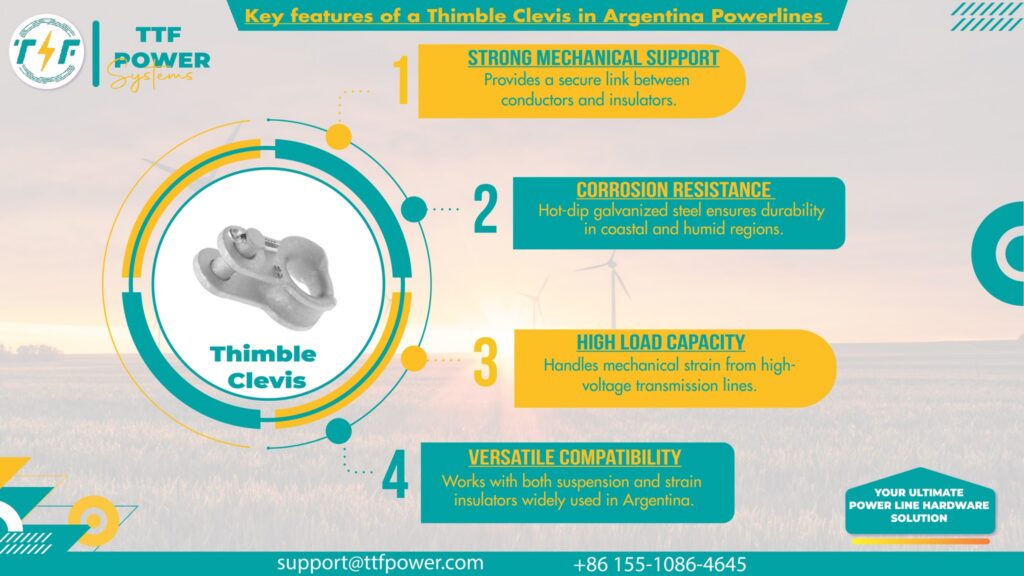
Thimble eye nuts are mechanical connection components used with compatible eye fittings, bolts, rods, or lifting arrangements. They create secure attachment points in FPSOs and electrical equipment. In these systems, the eye nuts face marine corrosion, vibration, cyclic loading, humidity, and difficult maintenance conditions. The mechanical integrity of the thimble eye nuts helps protect the cable supports, equipment mounts, bonding arrangements, and other connected infrastructure. Quality assurance for the Eyenuts should align with the approved engineering specification, applicable Petrobras requirements, and ABNT standards. Quality assurance covers raw material verification, dimensional inspection, thread quality control, mechanical load testing, corrosion protection inspection, and compatibility with electrical equipment. It also checks galvanic compatibility, installation quality assurance, and final inspection and documentation. QA helps identify defects that can lead to connection failure, equipment movement, cable-support damage, and corrosion-related deterioration.
Importance of thimble eyenuts in FPSOs and electrical equipment
Thimble eyenuts serve with eye fittings, threaded rods, bolts, cables, or other attachment hardware. They are able to provide secure connection points in equipment support, anchoring, lifting, cable support, and structural arrangements. Here are their key roles in FPSOs and electrical equipment in Brazil.
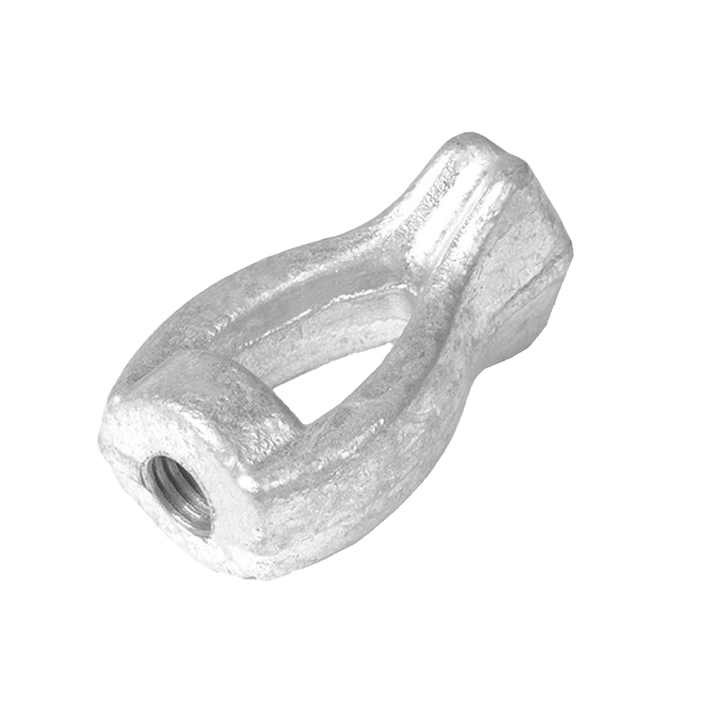
- Providing secure mechanical connections—thimble eye nuts provide a reliable attachment point between connected components. They help maintain the position of connected components under the loads specified by the engineering design.
- Supporting FPSO electrical equipment—the Eyenuts secure brackets, supports, cables, and ancillary equipment. They prevent excessive movement and can place stress on electrical connections, cable glands, terminals, and enclosures.
- Supporting lifting and maintenance operations—some of the Eyenut designs serve as attachment points for lifting or handling.
- Withstanding offshore vibration- the thimble maintains secure attachment and reduces unwanted movement. The connection handles static, dynamic, and fatigue loads in FPSO systems.
- Supporting equipment reliability—movement in the infrastructure can lead to cable abrasion, connector loosening, enclosure displacement, stress on cable glands, and damage to support structures.
Importance of power generation and gas compression integration in Brazil’s offshore energy sector
The integration of power generation and gas compression is crucial to the performance of Brazil’s offshore oil and gas infrastructure. Power generation supplies the electricity needed by offshore processing and compression equipment. Gas compression enables produced gas to be processed, transported, and monetized. The integration is important as Brazil expands deep water and pre-salt production. The EPE projects that Brazilian natural gas production increase by about 95% between 2025 and 2035. The integration provides reliable energy for offshore production, enables efficient gas compression, and supports Brazil’s electricity system. The system integration improves gas use and strengthens the economics of FPSO projects in Brazil.