
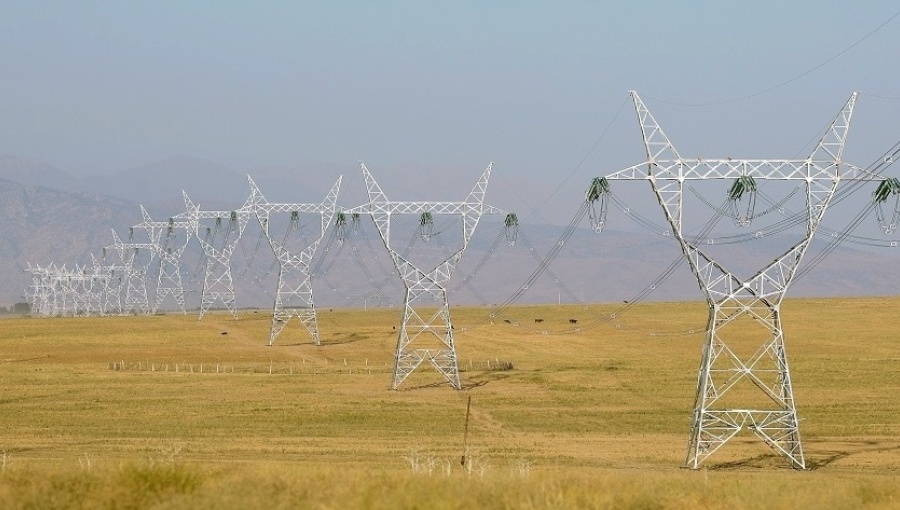
BHP is set to sell power transmission assets in Chile, which marks a strategic move for both the mining and energy sectors. The transaction includes 1,000 km of transmission lines that supply electricity to BHP’s copper operations. This sale signifies how large mining operators organize energy infrastructure ownership, capital allocation, and supply security. The capital generated from this sale will be redirected into mine expansion projects, ore processing efficiency upgrades, desalination and water infrastructure, and electrification of mining fleets. Additionally, the sale will attract infrastructure funds, pension funds, and energy transmission operators in Chile. New investments may introduce advanced grid monitoring systems, predictive maintenance using digital twins, and upgraded conductor and hardware standards. The change of ownership will trigger reassessment of asset condition and upgrade cycles. This creates demand for high-performance conductors, advanced suspension clamp systems, formed wire deadends, and anchoring systems for stability.
Formed wire deadends anchor and secure power transmission lines and ensure a stable and safe electrical supply for high-consumption activities. The deadends terminate and anchor conductors at transmission towers, substations, and distribution poles. They transfer the heavy tensile loads of the conductors from weight, wind, ice, and temperature changes. Formed wire deadends distribute stress along the conductor surface and prevent damage. By absorbing the unbalanced forces, the deadends stabilize poles and lattice towers at line ends, angle points, or where transmission line changes direction. This prevents structures from leaning or collapsing under mechanical stress. They help transmission infrastructure withstand earthquakes and remain operational after seismic events. Formed wire deadends are compatible with conductor types used in mining projects such as ACSR, AAC, and AAAC.
Quality assurance for formed wire deadends used in power transmission and mining networks
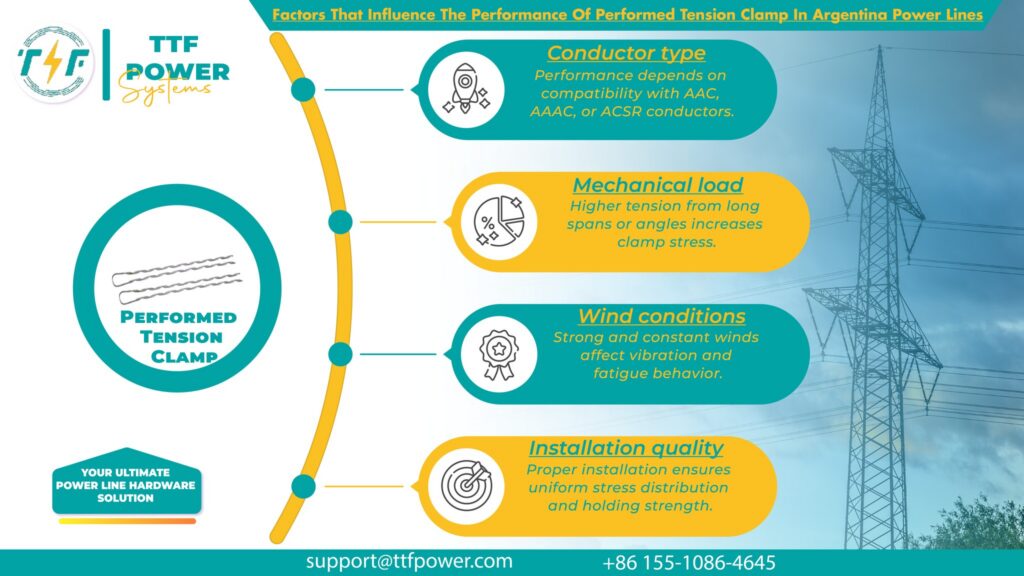
Formed wire deadends terminate and anchor overhead conductors in power transmission and mining electrical networks. Quality assurance for the deadends ensures mechanical integrity, electrical reliability, and operational safety. It helps prevent failure risks such as conductor slippage under tension, structural collapse of poles, localized overheating due to poor contact behavior, and line outages affecting mining operations. The process includes material quality control, dimensional accuracy and forming precision, mechanical performance testing, conductor compatibility, and grip performance. It also includes environmental resistance testing, seismic performance validation, and manufacturing process control. High-quality formed wire deadends impact continuity of copper production, reduce outage frequency, lower lifecycle maintenance costs, and improve safety margins for high-voltage lines.
The roles of the formed wire deadends in power transmission and mining networks in Chile
Formed wire deadends serve on power transmission and mining electrical networks in Chile. They terminate and anchor overhead conductors in seismic activity, desert climates, coastal corrosion, and high-voltage transmission lines. Here are the functions of the formed wire deadends in power transmission and mining networks in Chile.
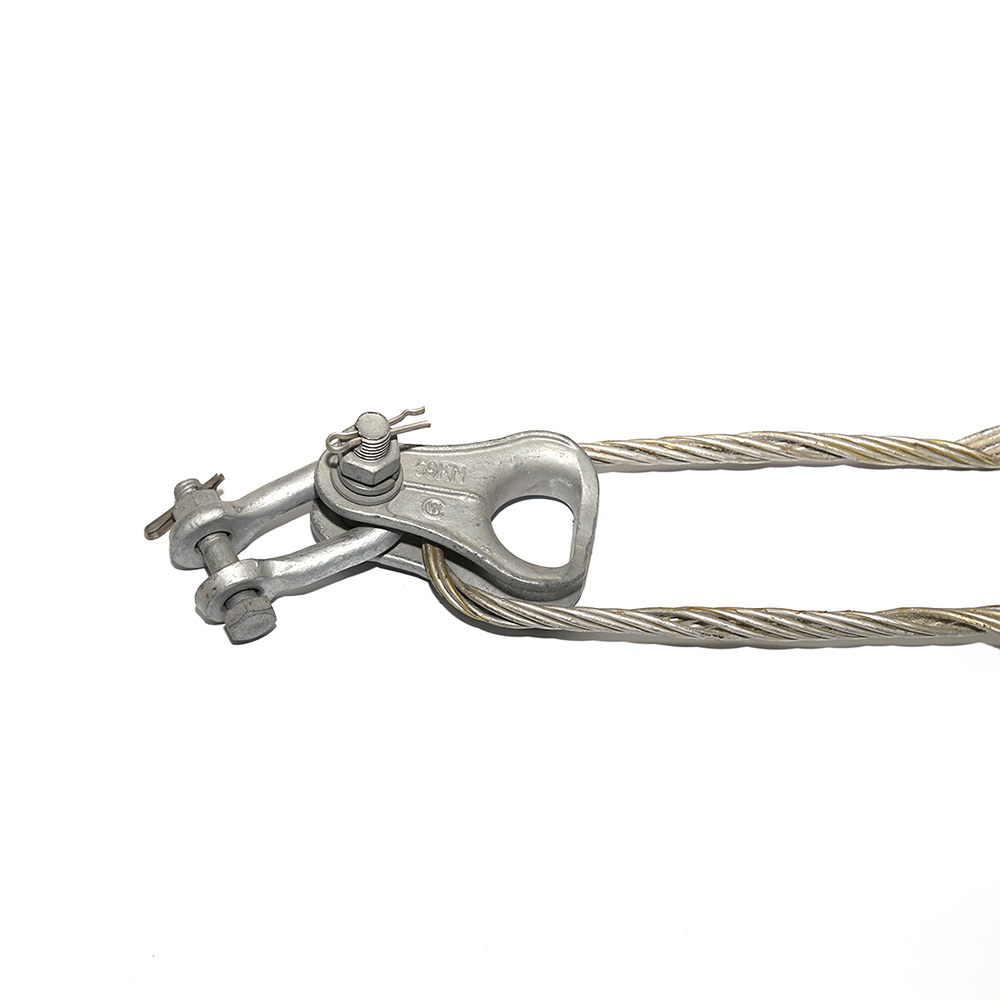
- Conductor termination and mechanical anchorage—the deadends wrap helically around the conductor and distribute gripping force along the contact length and transfer mechanical tension from conductor to structure. This prevents conductor pull-out under high-tension loads in Chilean transmission lines.
- Load transfer in transmission structures—formed wire deadends transfer loads from conductors to poles and anchor systems. This stabilizes the mechanical structure of the transmission line.
- Structural stability for mining power supply lines – the deadends maintain stable overhead distribution networks within mining sites. They also secure termination of feeder lines to processing plants and reliable connection of substations to remote load centers.
- Supporting high-voltage transmission—formed wire deadends ensure secure termination of high-voltage conductors, reliable mechanical performance, and reduced risk of line failures.
Importance of investments in transmission lines and mining infrastructure in Chile
Investments in transmission lines and mining infrastructure determine production capacity, energy security, and export competitiveness. It determines copper production capacity, renewable energy integration, operational reliability, and export competitiveness. Here is the importance of investments in power transmission networks in Chile.
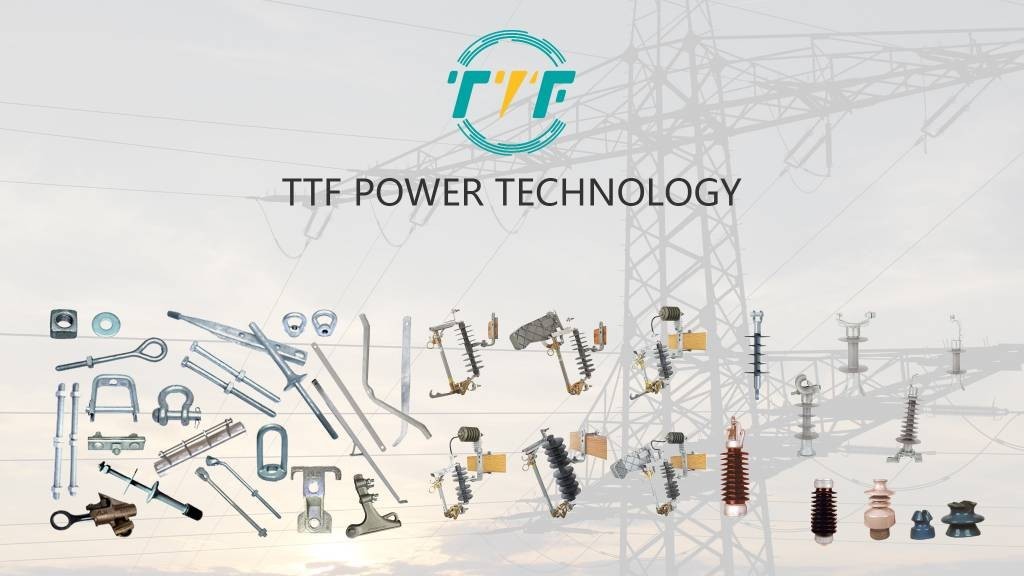
- Supporting long-distance energy delivery—transmission investments move bulk electricity, reduce congestion in regional grids, and enable cross-regional energy balancing.
- Unlocking renewable energy integration—the investments enable the connection of large solar plants to mining loads. They also allow the integration of wind generation into industrial demand centers and improved grid flexibility and stability.
- Increasing mining operational reliability – electricity is important for crushing and grinding circuits, ore transport systems, and water pumping and desalination. Transmission investments reduce outage frequency, voltage instability, and load shedding risks.
- Infrastructure modernization and grid stability—modern transmission investment includes high-capacity conductors, advanced line hardware, digital monitoring systems, and reactive power and voltage control equipment.