
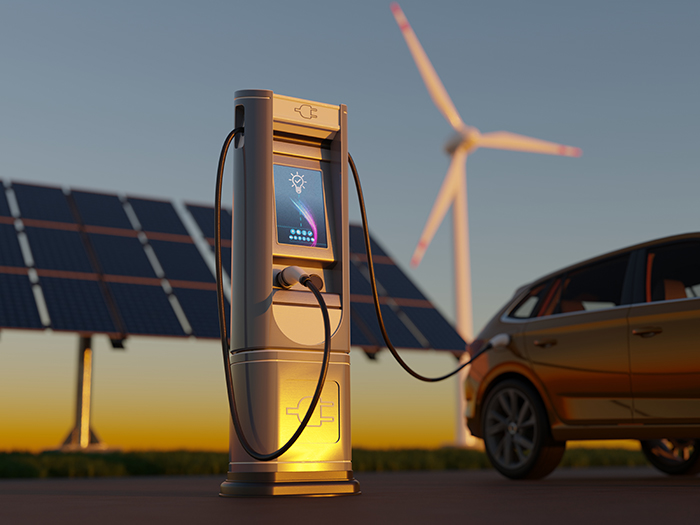
With the rising price of petrol, drivers in Chile are increasingly pointing toward electric cars. Shifting to electric cars offers lower operating expenses and greater long-term savings. Electric vehicles use electric motors with fewer moving parts that reduce wear and lowers maintenance. The absence of oil changes and routing engine services can save large amounts annually. Chile has also expanded its electric vehicle charging infrastructure which makes EV ownership more practical. The infrastructure growth helps reduce range anxiety and increases consumer confidence in transitioning from conventional vehicles to electric mobility. Electric vehicles can integrate with renewable energy sector for charging stations. This integration reduces greenhouse gas emissions from combustion engines and contributes to a sustainable energy future in Chile. High-quality ball eye is crucial in electric vehicle infrastructure for lifting heavy components like large battery packs in EVs.
The ball eye provides strong, reliable, and articulating connection point for high-voltage lines. This is crucial for securely anchoring conductors under tension from their own weight, wind, and thermal expansion. The ball eye maintains the physical integrity of transmission lines that deliver power from generation sites to consumption zones. It also supports the charging infrastructure for increased reliability.
Quality assurance for the ball eye used in electric vehicle infrastructure in Chile
Quality assurance for ball eye in electric vehicle infrastructure ensures the reliability, safety, and longevity of electrical distribution systems. Ball eyes provide a secure mechanical connection between insulators, conductors, and supporting hardware. They maintains high-quality standards for the ball eye is crucial for expanding EV charging infrastructure. The QA process begin by raw material verification, manufacturing quality control, dimensional accuracy verification, mechanical strength testing, and corrosion protection inspection.
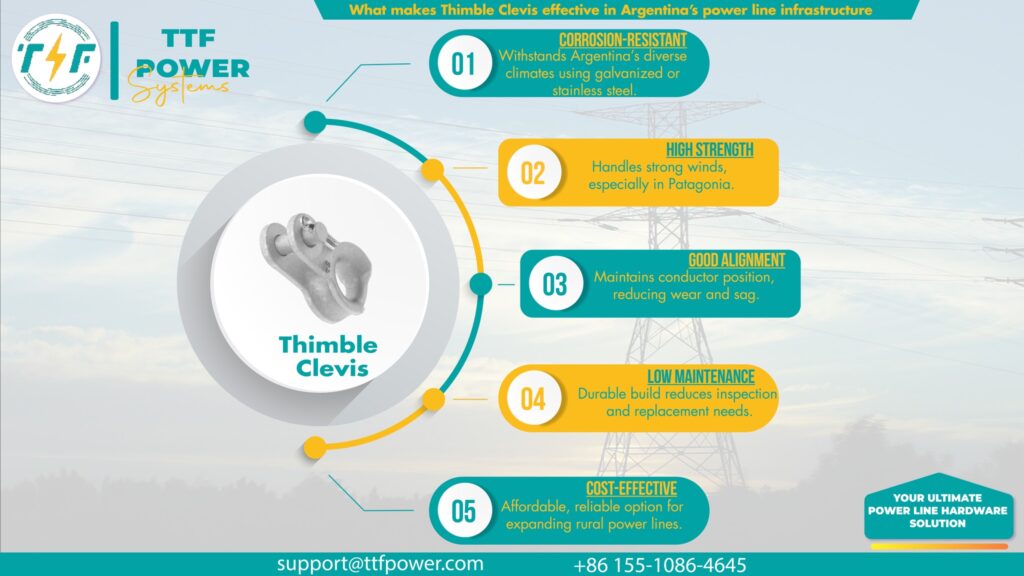
The QA team also conducts visual inspection, non-destructive testing, and environmental performance testing, and documentation. QA ensures the ball eyes provide the strength, reliability, and longevity needed to support EV charging networks. It ensures improved mechanical safety, reduced maintenance needs, greater resilience to environmental conditions,and enhanced support for EV charging expansion. Ball eyes are from forged steel and hot-dip galvanization protections. This enables them to resist corrosion, maintain mechanical strength, and perform over long service periods.
The roles of the ball eye in electric vehicle infrastructure
The ball eye serves as a mechanical connection point within insulator strings and conductor support assemblies. It ensures the reliability and stability of electrical infrastructure powering EV charging networks in Chile. Here are their key roles in EV infrastructure in Chile.

- Connecting insulator assemblies – the ball eye connects insulators to other line hardware components. It helps maintain reliable electricity delivery to charging stations and supporting facilities.
- Supporting power distribution networks – ball eyes support overhead conductors and maintain the integrity of distribution lines. They also ensure secure attachment of conductors to poles and help utilities transmit electricity to charging hubs.
- Easing renewable energy integration – most charging stations rely on electricity from renewable sources. The ball eyes maintain the mechanical stability of transmission lines and support insulator strings on renewable energy transmission lines.
- Providing mechanical load transfer – ball eyes transfer mechanical loads throughout the line hardware. They withstand conductor tension, wind loading, and equipment weight.
- Enhancing grid reliability – the ball eye maintains secure hardware connections, prevent insulator string failures, and reduce the risk of conductor detachment.
Impacts of EV adoption in Chile’s transport industry
The growing adoption of electric vehicles is reshaping Chile’s transport industry, driving significant changes in energy consumption, and infrastructure development. The growth is supported by government policies, renewable energy investments, and rising fuel costs. The development is crucial as Chile pursues it decarbonization goals and seeks to reduce dependence on imported fossil fuels. Here are the key impacts in Chile’s transport infrastructure.
- Reducing dependence on fossil fuels – electric vehicles help lower fuel imports, reduce exposure to oil market volatility, improve national energy security, and diversify transportation energy sources.
- Supporting Chile’s clean energy transition – the growth of EVs creates synergy between transportation and renewable electricity generation.
- Expansion of charging infrastructure – the adoption leads to developments of public charging stations, commercial charging hubs, residential charging solutions, and workplace charging facilities.
- Lowering operating costs for vehicle owners – electric vehicles offer lower operating costs compared with conventional internal combustion engine vehicles. As petrol prices rise, EV save costs on lower electricity costs compared with fuel.