
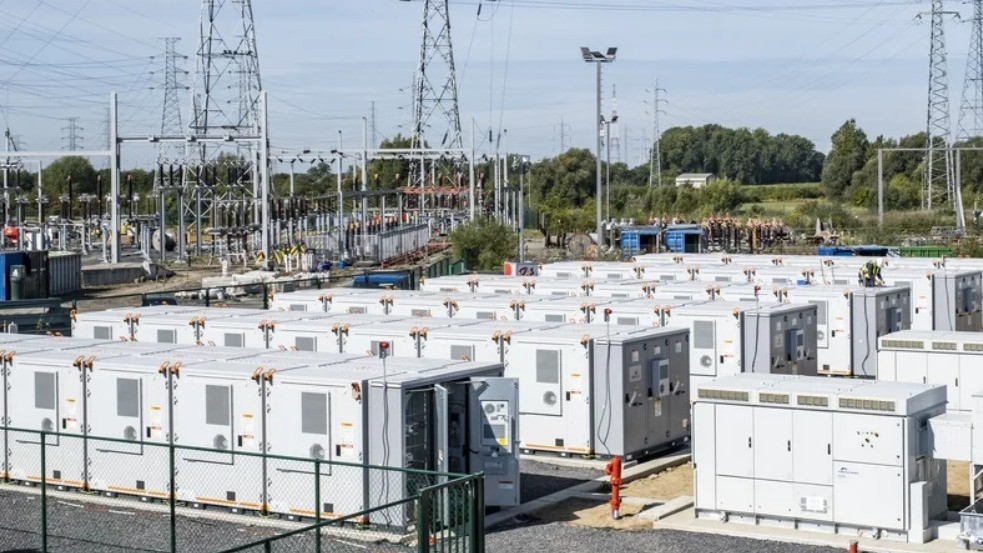
Argentina’s first AlmaSADI battery energy storage system (BESS) tender is a significant step toward modernizing the electricity network. Argentina awarded 20 BESS projects totaling 700.5 MW to five developers. This is with the aim to address grid reliability, renewable energy integration, and transmission constraints. The initiative represents a $700 million investment and is expected to strengthen the national interconnected system (SADI). The projects are in various locations across the country to reinforce transmission networks outside Buenos Aires. Increasing renewable energy generation in wind and power creates grid congestion, voltage instability, frequency fluctuations, and higher dependence on fossil-fuel peaking plants. BESS addresses these issues by acting as a flexible energy resource capable of responding faster. These developments will depend on robust infrastructure components such as grounding stirrup clamps. The stirrup clamps are low-resistance physical and electrical connectors bonding metallic structures to the main earthing grid.
Grounding stirrup clamps attach grounding conductors to metal support structures such as battery racks, inverter skids, and steel farming. This creates a dedicated and low-resistance oath for fault currents to flow safely into the earth. The clamps connect all equipment within the BESS to the grounding network and ensure the ground source is available for fault detection and voltage control. Stirrup clamps keep the exposed metal parts to the ground to reduce risks of electric shocks. It also protects sensitive power electronics from damage due to ground faults, transient overvoltages, or switching surges. Some grounding clamps feature specialized points that bite through non-conductive coatings to ensure a reliable metal-to-metal electrical connection.
Quality assurance for grounding stirrup clamps used in BESS infrastructure
Reliable rounding systems ensure the safe and stable operations of modern power networks interconnected with BESS. Grounding stirrup clamps provide secure mechanical and electrical connections between grounding conductors, earth rods, grounding grids, and metallic equipment. The stirrup clamps create a low-resistance path for fault currents and lightning surges to protect high-value electrical assets. Their reliability is essential for BESS projects where battery containers, inverters, transformers, switchgear, and control systems are interconnected.
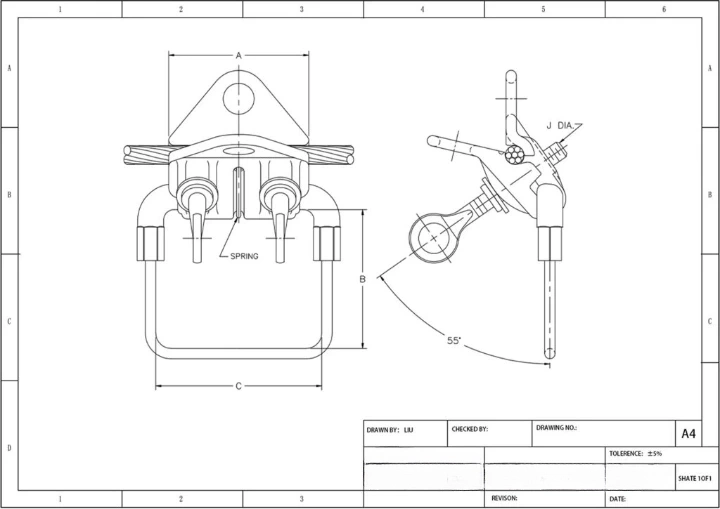
Quality assurance ensures the clamps meet the mechanical, electrical, and environmental performance standards. A poor-quality clamp can increase grounding resistance, loosen over time, corrode, or fail mechanically. This can lead to ineffective fault current dissipation, equipment damage, and increased safety risks. QA ensures the clamp provides reliable electrical conductivity, high mechanical strength, and secure conductor retention. The clamps undergo raw material verification, dimensional inspections, mechanical and electrical testing, and corrosion resistance evaluation.
Grounding stirrup clamps in BESS infrastructure in Argentina
Grounding systems ensure safe and reliable integration with the Argentine interconnected system. The stirrup clamps provide secure electrical and mechanical connections between grounding conductors, earth electrodes, equipment frames, and the substation grounding grid. They protect equipment, maintain grid stability, and ensure compliance with electrical safety standards in utility-scale energy storage installations. Their key roles include:
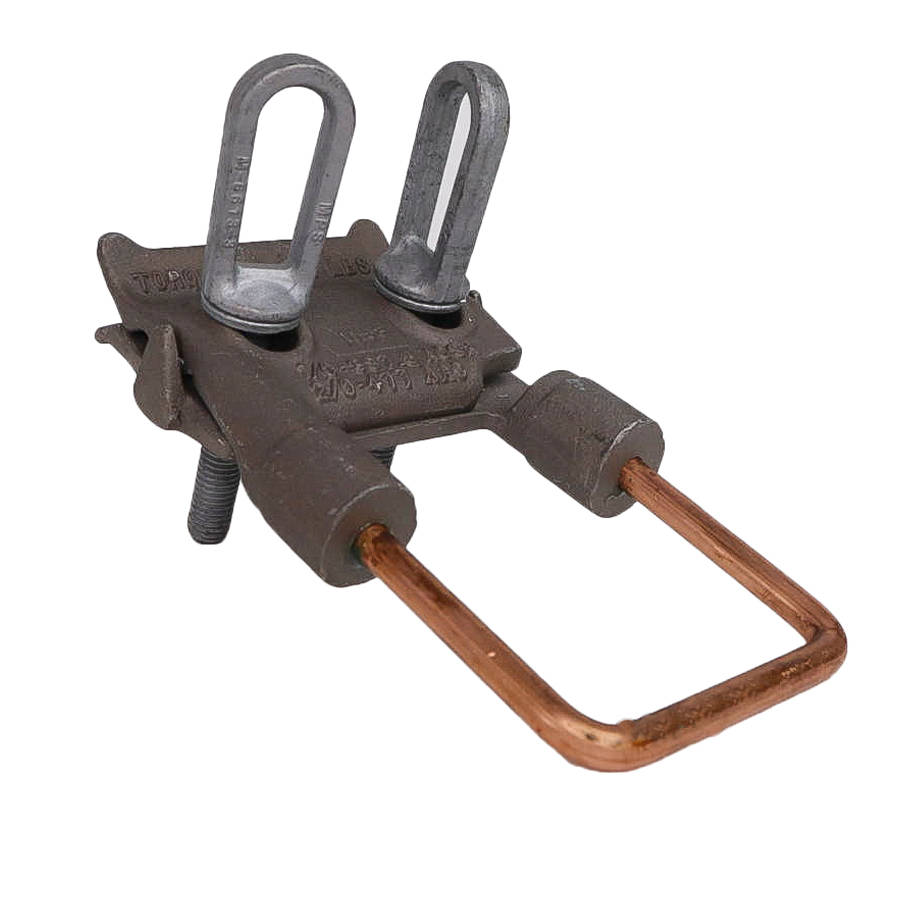
- Providing reliable grounding connections—the grounding stirrup clamps create a secure, low-resistance electrical connection between grounding conductors, earth rods, grounding grids, battery containers and switchgear enclosures.
- Dissipating fault currents safely – electrical faults such as insulation failures can generate high fault currents. Grounding stirrup clamps provide a dependable path that allows the currents to flow into the grounding system.
- Supporting protective relay operation – protective devices depend on effective grounding to detect abnormal operating conditions. The clamps ensure fault currents reach protective relays, circuit breakers, protection transformers, and ground fault monitoring systems.
- Protecting BESS equipment – the clamps protect the BESS components by providing a controlled path for fault energy and transient currents.
- Supporting grid stability—battery storage systems provide frequency regulation, voltage support, peak shaving, renewable energy balancing, and spinning reserve replacement. The stirrup clamps ensure safe operation of power electronic equipment under normal and fault conditions.
Potential barriers to the AlmaSADI BESS tender in Argentina
The AlmaSADI tender represents a milestone in Argentina’s power sector with 20 BESS projects totaling 700.5 MW. However, the successful implementation and long-term operation of the projects will depend on overcoming various challenges. These challenges include financing constraints, supply chain disruptions, grid integration complexity, transmission limitations, battery degradation, fire safety, and cybersecurity. Argentina can address these issues through coordinated planning, robust engineering, strong quality assurance, and supportive energy policies. This can help the country establish a resilient BESS network that enhances grid reliability, speeds up renewable energy integration, and strengthens the long-term sustainability of its power system.