
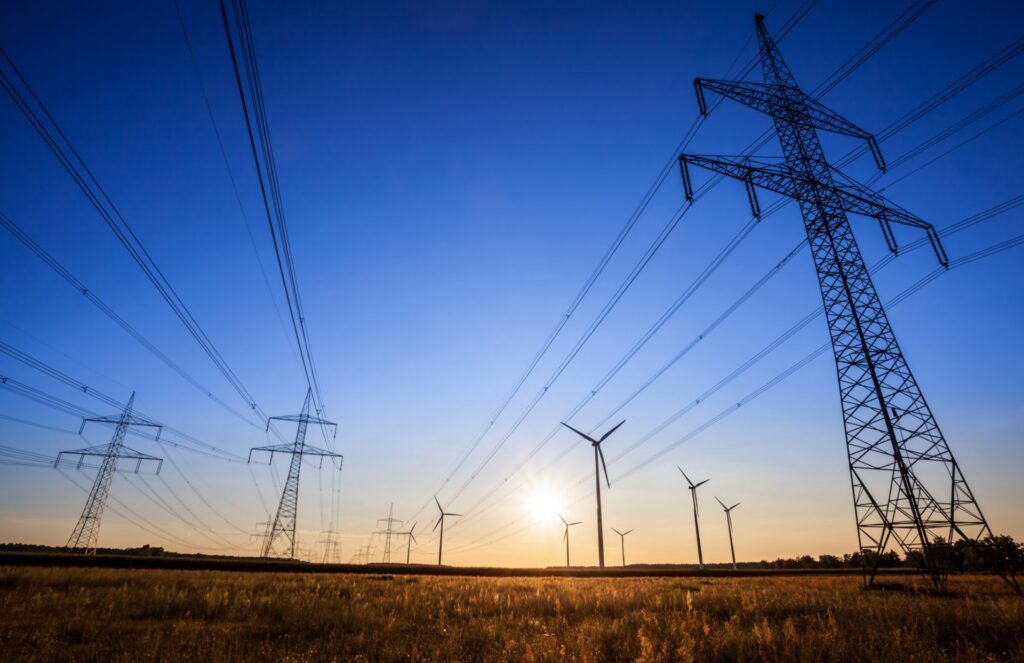
AES Argentina intends to invest $150 million to enhance its Vientos Bonaerenses wind farm located in Buenos Aires. This initiative will install 16 extra wind turbines, contributing an extra 102.4 MW to the power grid. The expansion will increase the wind farm’s current renewable energy output by two times. When operational, the wind turbines will deliver clean, dependable, and secure energy to industrial and commercial clients. It will additionally assist in addressing the increasing energy needs in the nation. The initiative will set up 16 advanced wind turbines that can generate an extra 102.4 MW. The wind turbines will feature rotor diameters greater than 150 meters, hub heights ranging from 100 to 120 meters, sophisticated blade pitch control systems, and digital monitoring along with predictive maintenance systems. The project will connect with transmission infrastructure utilizing guy rod clamps.
Guy rod clamps in wind projects anchor and tension the guy wires that stabilize tall structures. The clamp grips a guy rod or wire and prevent it from slipping. It creates a reliable connection point for the guy wire system and allows it for precise tensioning. This enhances the structural stability of towers. Guy rod clamps stabilize the poles and lattice towers that carry high-voltage transmission lines. It ensures the reliable evacuation of electricity generated by wind farms to the grid. The clamps reduce infrastructure costs and simplify installation in remote areas. Guy rod clamps ensure that guyed structures can withstand Argentina’s diverse and harsh environmental conditions.
Quality assurance for guy rod clamps used in wind projects in Argentina
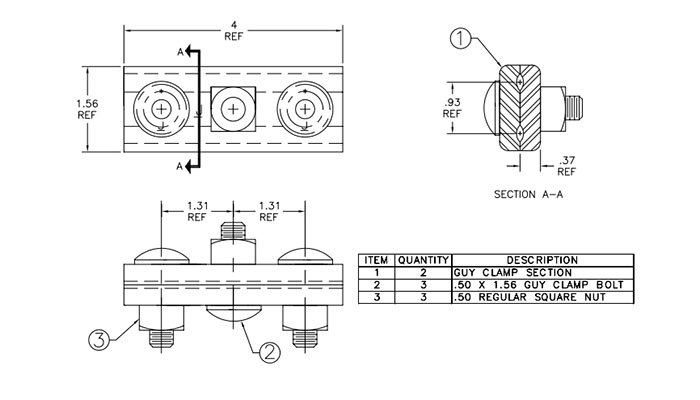
Guy rod clamps secure guy wires to guy rods and provide the mechanical stability needed for transmission poles. Conducting quality assurance for the clamps is crucial since they serve in areas with high wind loads, vibration, and corrosion. QA ensures long-term structural integrity and grid reliability. Quality assurance process ensures that guy rod clamps meet engineering specification, mechanical performance needs, and material standards. The process includes raw material verification, manufacturing process control, dimensional inspection, mechanical performance testing, and corrosion resistance evaluation. Quality assured guy rod clamps in Argentina’s wind projects ensure structural reliability, improve grid reliability, increase resistance to wind loads, and improves installation efficiency.
Importance of guy rod clamps in wind projects integrated with Argentina’s grid
Guy rod clamps secure guy wires o guy rods and stabilize utility poles facing heavy mechanical loads. The performance of the clamps influences the reliability, safety, and longevity of wind power infrastructure. Here are their key roles in the infrastructure.
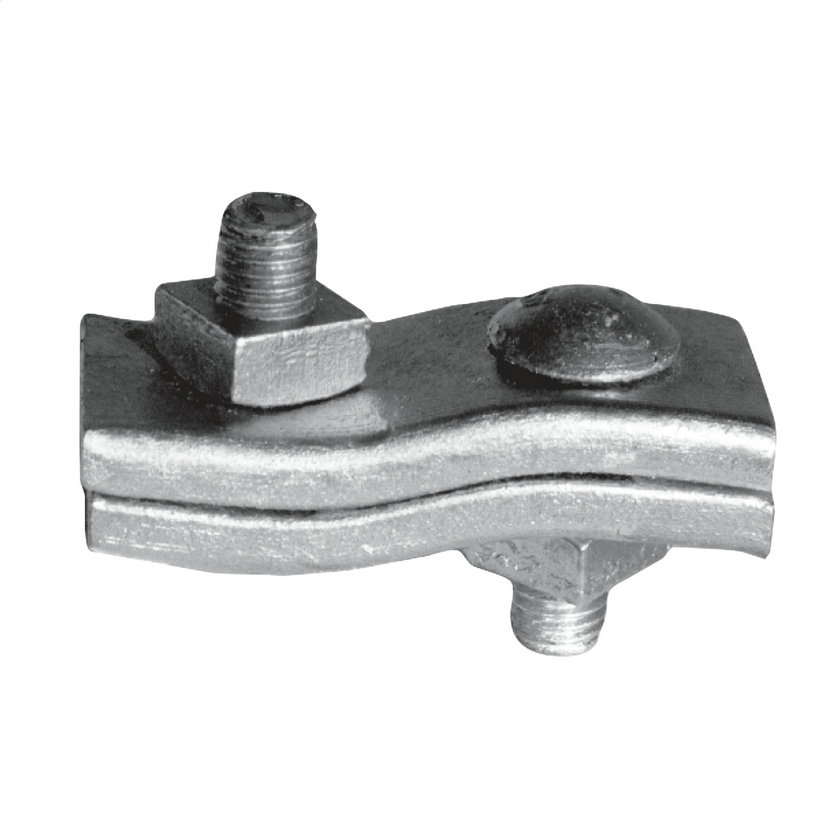
- Providing secure guy wire connections – guy rod clamps connect the guy wire to the guy rod. This connection maintains proper tension, prevent wire slippage, and transfers mechanical loads into the anchor system.
- Stabilizing transmission and distribution poles – the clamps stabilize poles by counteractive conductor tension, resisting lateral wind forces, and supporting deadend structures.
- Withstanding high wind loads – guy rod clamps help wind infrastructure withstand dynamic wind loading, sudden gust-induced stress, and cyclic mechanical loading.
- Maintaining proper guy wire tension – the clamps maintain tension by holding guy wires, preventing loosening, and distributing tensile loads.
- Support grid reliability – reliable guy clamps ensure stable transmission structures, reduced line failures, and fewer service interruptions.
Technical elements of the wind farm project by AES in Argentina
The growth of AES Argentina’s Vientos Bonaerenses wind farm integrates cutting-edge wind energy technology with enhancements to the transmission network. This aims to enhance the incorporation of renewable energy into the Argentine interconnection system. The initiative consists of setting up 16 new wind turbines, electrical systems, communication networks, and improvements to the substations. The technical features consist of:
- Wind turbine technology – this encompasses the deployment of 16 utility-scale wind turbines with a total installed capacity of 100-102.4 MW.
- Each turbine producesmedium-voltage electricity, which is gathered via an underground network and then sent to the substation. The collection system consists of 33 kV underground cables, medium-voltage switchgear, fiber optic communication lines, and protection relays.
- Expansion of the substation involves enhancements such as the installation of new circuit breakers, disconnect switches, and extensions of the busbar.
- Grid integration – contemporary wind turbines use power electronic converters that facilitate stable connection with the grid. This encompasses grid synchronization, monitoring of power quality, frequency assistance, and help from shackle helical anchors.