
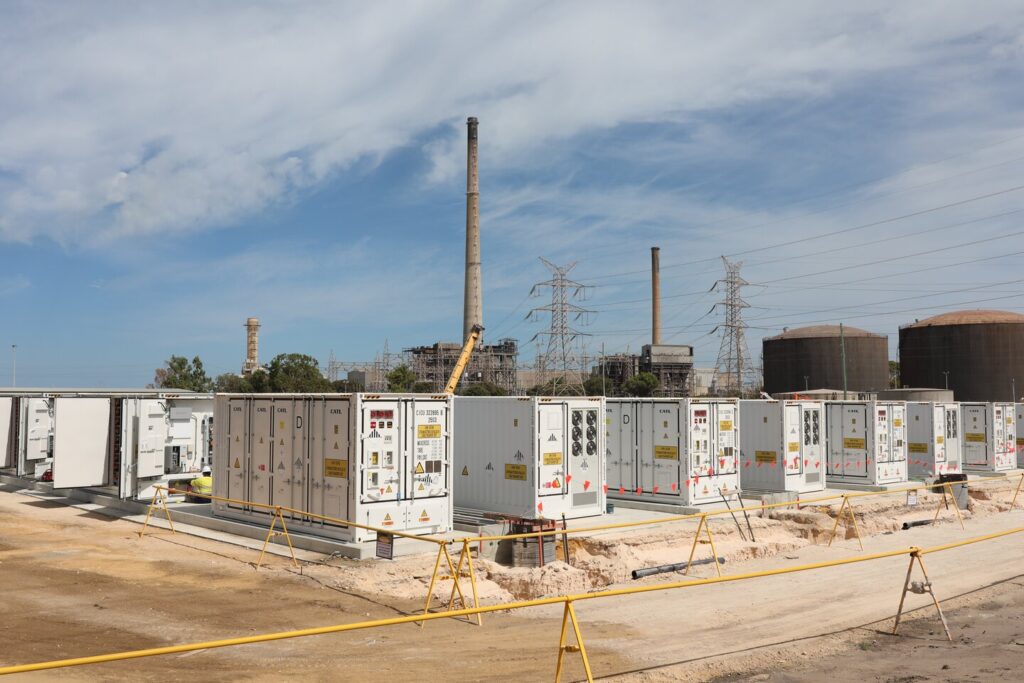
On-site power generation is a strategic component of Argentina’s energy sector. This is driven by the need for cost efficiency, supply reliability, and greater system resilience. More industries and large energy consumers are adopting this technology to centralize grid dependence and on-site generation. The infrastructure helps reshape energy consumption patterns and infrastructure development across Argentina’s energy sector. On-site generation involves producing electricity at or near the point of using technologies. They serve with natural gas generators, combined heat and power systems, solar PV installations, and hybrid configurations that integrate storage. The technology enables industries to reduce their cost per kWh and limit exposure to volatile electricity tariffs. The systems reduce electricity costs, on-site generation attracts energy-intensive sectors. This is crucial for operations such as manufacturing, mining, oil and gas, and logistics. Shackle insulators on the infrastructure provide mechanical anchoring and support for conductors while maintaining electrical isolation from the pole.
Shackle insulators are designed for low- and medium-voltage distribution lines supporting on-site generation infrastructure. The electrical insulators anchor the conductor where it changes direction to absorb mechanical stress. By allowing the creation of isolated sections within the on-site grid, the insulators enable safe maintenance operations. This enables parts of the internal network to be de-energized without shutting down the entire generation plant.
Electrical insulators are simple, durable, and manufactured domestically to reduce dependency on complex foreign parts and ensure easier replacement. They offer low-cost and reliable solutions for medium-voltage applications. On-site generation facilities use overhead ground wires for protection in areas with high lightning occurrences. Shackle insulators isolate and segment ground wires to prevent lightning surges into sensitive generation equipment.
Functions of shackle insulators in on-site generation infrastructure
Shackle insulators serve in the on-site power generation infrastructure used in Argentina. They function in low- and medium-voltage overhead distribution lines that connect generation units to industrial loads. They provide electrical safety, mechanical stability, and system reliability in industrial facilities, energy parks, and hybrid microgrids using on-site generation facilities. Here are the functions of the shackle insulators in the infrastructure.

- Electrical insulation and fault prevention—shackle insulators electrically isolate live conductors from supporting structures. They prevent current leakage, short circuits, and ground faults.
- Mechanical support for conductors—shackle insulators carry mechanical loads while supporting conductors at dead-ends points. They manage conductor tension where lines change direction at switchgear, transformers, or load centers.
- Flexibility in line configuration—on-site power generation facilities need customized and adaptable line layouts to suit plant expansions. Shackle insulators can be installed in various orientations to provide flexibility in overhead line routing.
- Support for reliable power delivery—shackle insulators help ensure stable voltage levels and reduce the risk of line faults. This ensures uninterrupted power supply and operational continuity on on-site power generation facilities.
- Resistance to environmental stress—shackle insulators are from polymer or porcelain materials. These materials offer resistance to weathering, contamination, and mechanical fatigue.
On-site power generation meeting energy sustainability in Argentina
The increased adoption of on-site generation in Argentina helps balance economic growth with environmental responsibility and energy security. The generation facilities are reshaping energy production, management, and consumption across industrial and commercial sectors. It helps meet energy sustainability goals through:
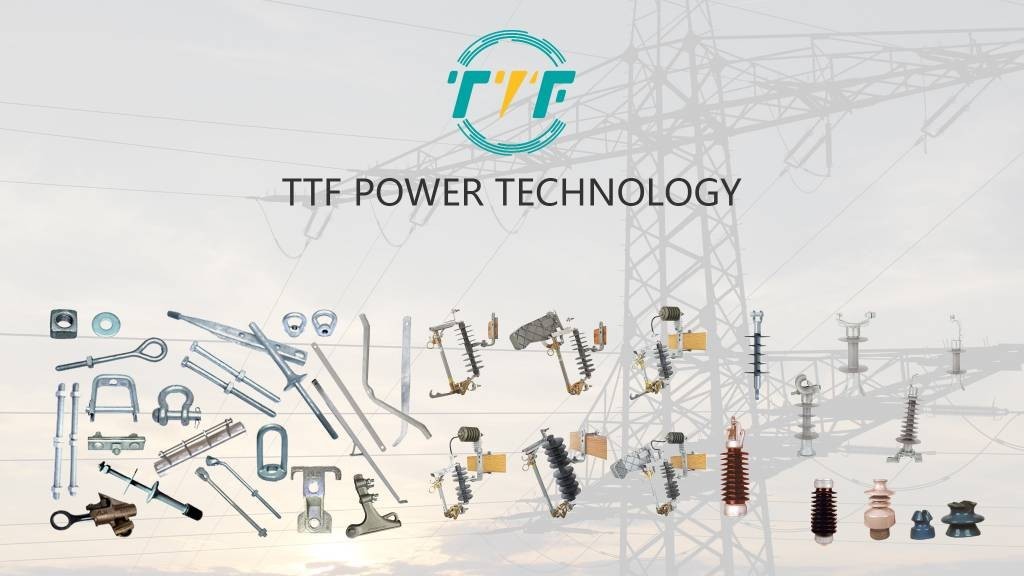
- Reduction of greenhouse gas emissions—integrating renewable energy sources such as solar PV and CSP lowers carbon intensity compared to conventional grid electricity.
- Efficient use of domestic energy resources—the generation facilities allow industries to directly harness locally available natural gas and renewable resources. It also helps reduce reliance on imported fuels and energy losses related to long-distance transmission.
- Support for grid stability and renewable integration—on-site generation leads to grid sustainability by reducing peak demand and easing congestion on transmission and distribution networks. The facility integrates the use of shackle insulators for enhanced safety and reliability.
- Decentralized and resilient energy systems—the facilities promote decentralized energy systems that are less vulnerable to large-scale outages and infrastructure failure.
- Promotion of energy efficiency and demand-side management—the systems encourage more efficient energy use and advanced energy management practices. They enable demand optimization and reduced waste for industries.