
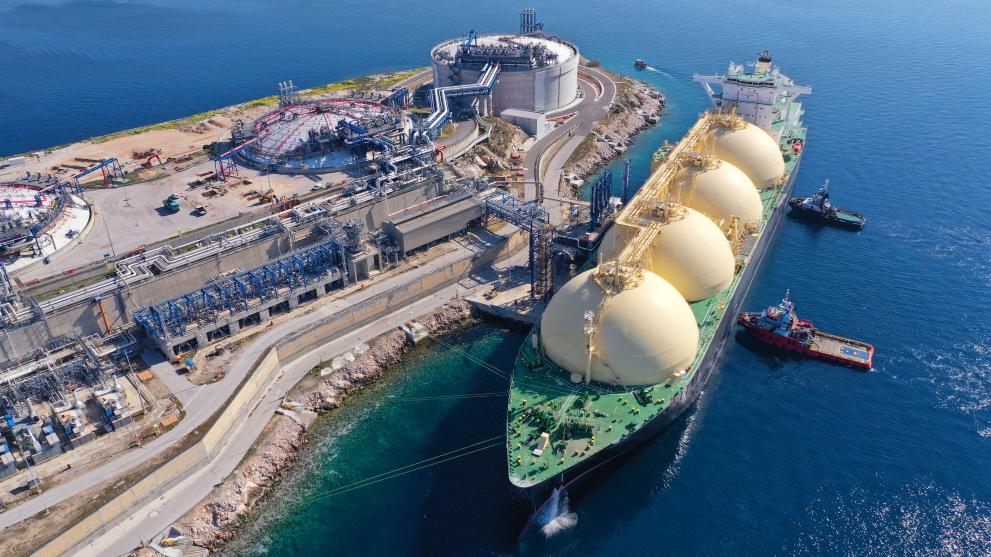
Vista’s Energy oil and LNG operations in Argentina revolve around the development of the Vaca Muerta shale position. It positions the company as a key contributor to the country’s upstream growth and emerging LNG export ambitions. The operating model focuses on capital discipline, operational efficiency, and integration across the oil and gas value chain. The high-quality acreage enables competitive productivity and relatively low break-even costs. Crude production is supported by horizontal drilling, multi-stage hydraulic fracturing, and centralized production facilities. The oil is then transported through regional pipeline networks to domestic refineries and export terminals. Key infrastructure supporting Vista’s Energy includes crude pipelines, gas gathering systems, compression facilities, and storage assets. Such infrastructure depends on hardware such as crossarm insulator pins. The insulator pin supports and isolates the distribution conductors from the grounded pole structure.
Crossarm insulator pins enable the electrification of individual drilling rigs, frac fleets, separation units, and worker camps. On-site power replaces diesel generators and reduces costs, emissions, and logistical complexity. The insulator pin bears the vertical weight of the conductor and the horizontal tensions from wind and ice loading. This is by transferring forces securely to the crossarm and pole. The pin holds the insulator that creates the air gap and dielectric barrier. This is crucial to prevent the energized conductor from making contact with the grounded pole to avoid a short circuit.
The development of large-scale infrastructure needs extensive temporary and permanent medium-voltage distribution grids at construction sites. The grids power welding stations, lighting, control trailers, and heavy machinery. This integration relies on components like crossarm insulator pins that influence the timeline and cost of building the export infrastructure that allows Vista to monetize their gas. Insulator pins help improve energy efficiency and reduce flaring.
Functions of crossarm insulator pins in Vista’s Energy infrastructure in Argentina
The crossarm insulator pin ensures reliable electrical distribution for upstream, midstream, and export-related facilities. It is crucial to power stability, safety, and infrastructure longevity across oilfields and LNG systems. They contribute to safer operations, improved energy efficiency, and scalable infrastructure. Here are the functions of the crossarm insulator pins in oil and LNG infrastructure.
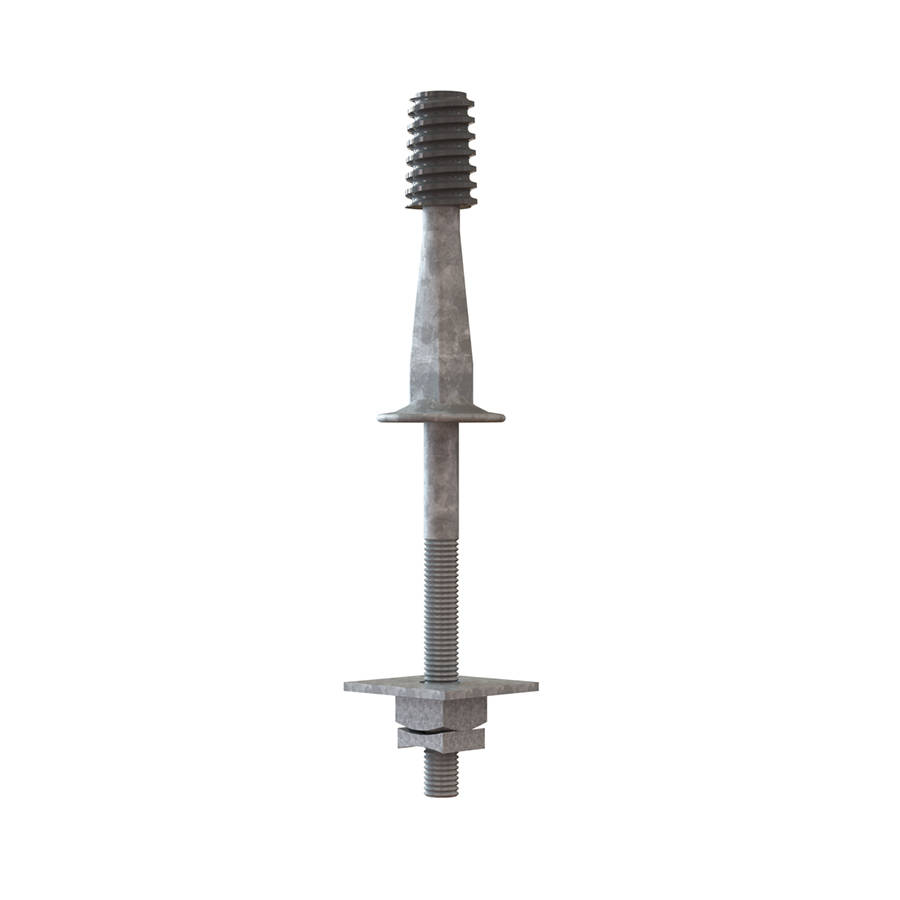
- Mechanical support for overhead power lines—the insulator pin mounts line insulators onto crossarms of utility poles. The pin provides the mechanical strength necessary to withstand conductor loads, wind pressure, and vibration.
- Electrical insulation and safety assurance—crossarm insulator pins maintain electrical separation between energized conductors and supporting structures. The insulation prevents current leakage and flashovers on personnel and equipment.
- Support for power-dependent infrastructure expansion—insulator pins enable the rapid deployment and reinforcement of overhead power networks. They support new well pads, compression capacity, storage terminals, and auxiliary facilities.
- Load stability and line alignment—crossarm insulator pins help maintain proper conductor alignment to reduce line sway and mechanical fatigue. They provide stability for uninterrupted power supply to equipment. It protects electric submersible pumps, control systems, and LNG process units.
- Reliability in harsh operating conditions—crossarm insulator pins are from materials such as galvanized steel or corrosion-resistant alloys. This helps ensure durability and long service life under electrical and mechanical stress.
Impacts of increased investments in Argentina’s oil and gas production
Investments in the oil and gas industry influence output growth, cost competitiveness, export capacity, and long-term energy security. Increasing capital flow into the Vaca Muerta and LNG infrastructure impacts the hydrocarbon value chain. Investments strengthen Argentina’s position as an energy producer while delivering broader economic and strategic benefits. Their impacts are as discussed below.
- Oil production growth—investment in upstream development led to increased oil output from Vaca Muerta. Capital deployment enables operators to drill longer laterals, optimize hydraulic fracturing designs, and reduce cycle times.
- Expansion of natural gas supply for LNG—capital directed toward gas-focused drilling, gathering pipelines, compression stations, and processing plants increased reliable feedstock availability for liquefaction.
- Midstream infrastructure as a production enabler – investments in pipelines, storage facilities, and export terminals unlock production capacity. Oil pipelines reduce transportation costs, while expanded gas transmission networks allow higher volumes to reach domestic demand centers and LNG facilities.
- Cost reduction and operational efficiency – investment in modern equipment, digital monitoring systems, and electrification helps reduce operational expenses. It also promotes predictive maintenance, automation, and reliable power infrastructure development supported by crossarm insulator pins.