
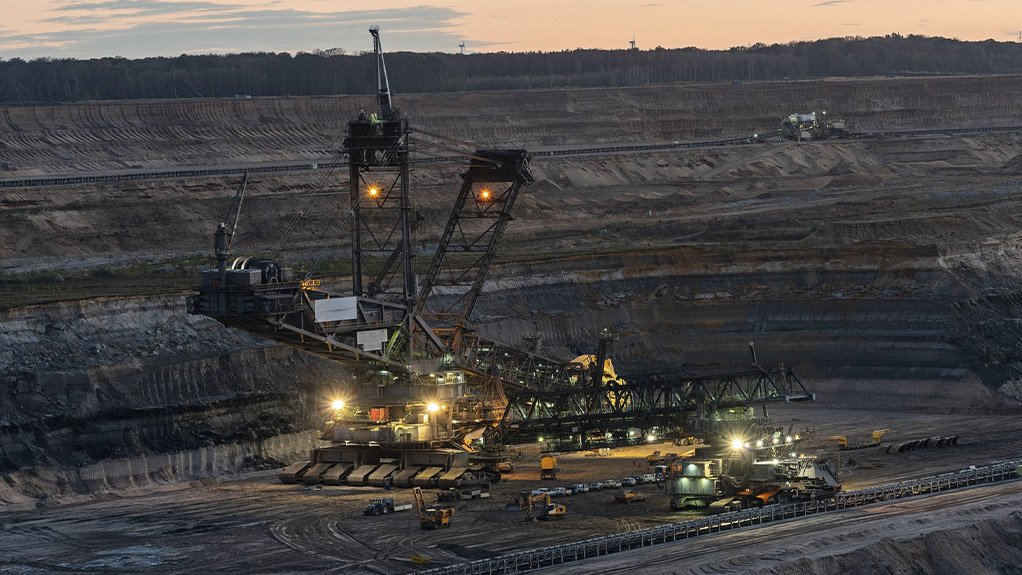
Copper mining in Chile is becoming more electricity-intensive as ore grades decline, operations deepen, and fleets become electrified. Declining ore grades need mines to process more material to maintain production levels. This increases the electricity needed for crushing, grinding, concentration, pumping, and material handling. ABB technologies also offer medium-voltage distribution, protection, automation, monitoring, and power quality management. Mining operations depend on continuous power for critical processes. Modern medium-voltage switchgear and digital protection systems can detect abnormal electrical conditions, isolate affected sections, and help maintain supply to the network. Additionally, ABB systems can isolate faults within milliseconds and redirect supply through alternative routes where network architecture permits. Chile’s mining sector integrates with renewable electricity to support decarbonization. However, it introduces variability into power supply. ABB thus aims to enhance advanced protection, automation, monitoring, and control. These interconnections demand the use of robust hardware such as socket clamps for securing and stability.
Socket clamps are mechanically load-bearing and retained in mining and drilling operations. They also offer electrical connection and grounding in power distribution and substations. Socket clamps hold the rope securely without creating excessive bending stress. They grip the rope through friction that makes them removable for inspection and repositioning along the rope. In drilling operations, the ball and socket clamps help mount machinery onto support columns. They allow the operators to swivel and adjust the drill angle relative to the column with a single bolt. It provides flexibility in positioning while maintaining a rigid hold during the drilling operation. The socket holds the clamp securely and allows the worker to tighten it onto the conductor from a safe distance without opening the clamp manually.
Importance of quality assurance for socket clamps used in mining operations
Socket clamps connect, secure, and support components in electrical and overhead-line assemblies. Chilean mining infrastructure faces mechanical loads, vibration, dust, temperature changes, UV radiation, and corrosive conditions. Mining electrification increases electrical demand through electric equipment, pumping, mineral processing, desalination, and water transportation. ABB also highlighted the need for medium-voltage distribution, digital protection, monitoring, and predictive maintenance.
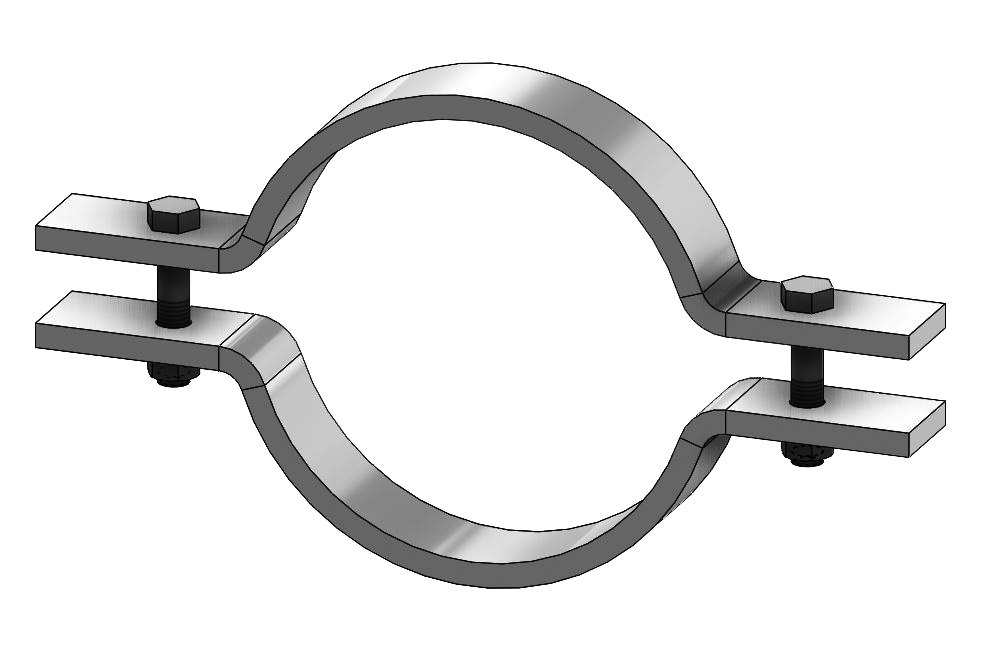
Quality-assured socket clamps enhance the integrity of larger overhead and distribution systems. The QA process covers material quality control, dimensional accuracy, mechanical-load testing, corrosion protection, visual inspection, and connection quality. It also checks electrical compatibility, environmental qualification, and certification. QA identifies defects that lead to socket clamp failure in the mining infrastructure. A failure can compromise the reliability of the equipment connected downstream for mining.
The roles of socket clamps in mining and electrical equipment in Chile
Socket clamps serve in electrical and mining infrastructure by securing, connecting, and supporting components that should remain stable under diverse conditions. They support mineral processing, pumping, water systems, electrified equipment, and renewable-energy integration. Their key roles in the infrastructure include:
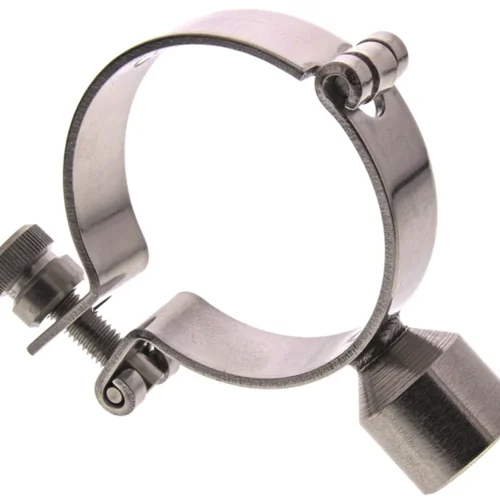
- Securing electrical components—socket clamps provide a secure mechanical connection between compatible components. They help connect conductors, fittings, insulators, and supporting structures. This connection helps prevent unwanted movement, loosening, or separation during normal operation.
- Supporting overhead electrical networks—socket clamps form part of the hardware used to maintain the mechanical integrity of mining networks. They transfer and distribute mechanical forces between connected components while keeping the assembly positioned.
- Managing mechanical loads—the clamps provide enough mechanical strength and maintain their connection under expected service loads.
- Supporting mining electrification—socket clamps provide reliable mechanical connections within overhead and electrical assemblies. They secure mineral-processing plants, conveyor systems, pumping stations, substations, and renewable-energy connections.
Smart technology supporting Chilean mining infrastructure
Chile’s mining sector adopts smart technology to enable operators to seek to improve productivity, electrical reliability, and energy efficiency. Common technologies to support the mining sector include:
- Artificial intelligence and advanced analytics—AI can help convert large volumes of operational data into actionable information. AI serves in equipment monitoring, processing optimization, predictive maintenance, and identification of abnormal operating conditions.
- Digital electrical infrastructure—smart mining depends on a reliable electrical foundation. The tech includes digital switchgear, protection systems, sensors, and communication networks that allow operators to track electrical assets.
- Automation and autonomous mining equipment—autonomous haulage, automated processing, and remotely operated equipment can reduce routine work.
- Smart energy management—these systems can help operators understand where electricity is being consumed and identify opportunities to improve efficiency. Electrical demand comes from crushing, grinding, pumping, ventilation, material handling, and water infrastructure.