
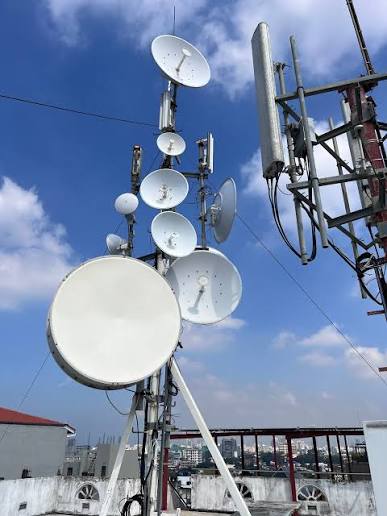
ZTE Corporation, a top global provider of integrated information and communication technology solutions, revealed a significant advancement in Peru’s backbone microwave network. This network operates using its cutting-edge CoMP (Coordinated Multi-point Space Diversity) technology. Utilizing this network will tackle the issues of extremely long-distance transmission and intricate deployment scenarios. The technology enables transmission across an extensive range of 110km while minimizing the required hardware. Microwave links over long distances can enable communication among substations, control centers, generation facilities, and distant transmission resources. This is essential as the nation progresses on 32 electricity transmission projects that span over 3,800 km of infrastructure. The networks also offer communication routes among renewable-energy sites, substations, and grid-management systems. Microwave systems link with electrical transmission networks, serving as the communication interface. The technology links isolated energy facilities to the broader telecommunications and grid management network. This integration employs strong elements like corona rings.
Corona rings serve on transmission line insulator strings to manage the intense electric fields. They have a smooth, large-diameter ring that distributes the electric field more evenly. This helps prevent it from concentrating on sharp edges or the insulator surface. Backbone microwave deployments in Peru integrate power transmission infrastructure and communication networks. These networks rely on corona rings to protect the insulator strings supporting the OPGW and conductors. The rings prevent corona-induced degradation and help maintain the mechanical and electrical stability of the physical infrastructure for the communication networks.
Quality assurance for corona rings used in backbone microwave networks
Peru’s electricity transmission infrastructure and backbone microwave networks need reliable electrical equipment to support grid monitoring and integration of renewable energy projects. Using corona rings helps maintain the reliability of high-voltage transmission systems and communication infrastructure. Corona rings control electric-field distribution and reduce localized electrical stress. They work with insulators, high-voltage bushings, and electric-field grading.
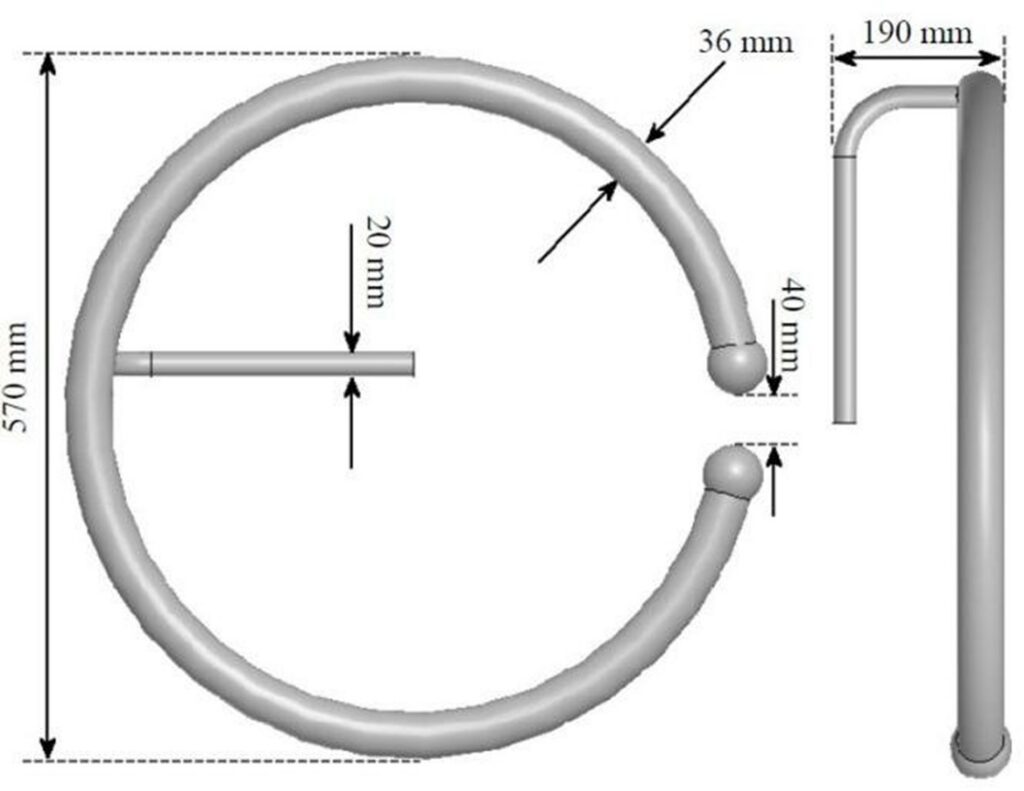
The rings help protect insulation systems and improve the electrical performance of high-voltage equipment. In backbone microwave networks, support the reliability of high-voltage infrastructure that supplies power to telecommunications equipment, substations, and communication facilities. Quality assurance ensures that corona rings meet the required electrical, mechanical, dimensional, and environmental performance specifications for their intended applications in Peru. QA for the corona rings reduces localized electric-field stress around high-voltage equipment. They ensure that the rings provide the intended field-grading performance and defects do not introduce extra electric field concentrations.
The importance of corona rings in backbone microwave networks in Peru
Peru’s microwave networks help in connecting power generation facilities, transmission substations, control centers, and remote infrastructure through wireless communication links. These networks support SCADA, grid monitoring, operational coordination, and communication between electricity facilities. Corona rings on selected high-voltage equipment redistribute electric-field stress and reduce localized corona discharge. Here are the roles of the corona rings in the networks.
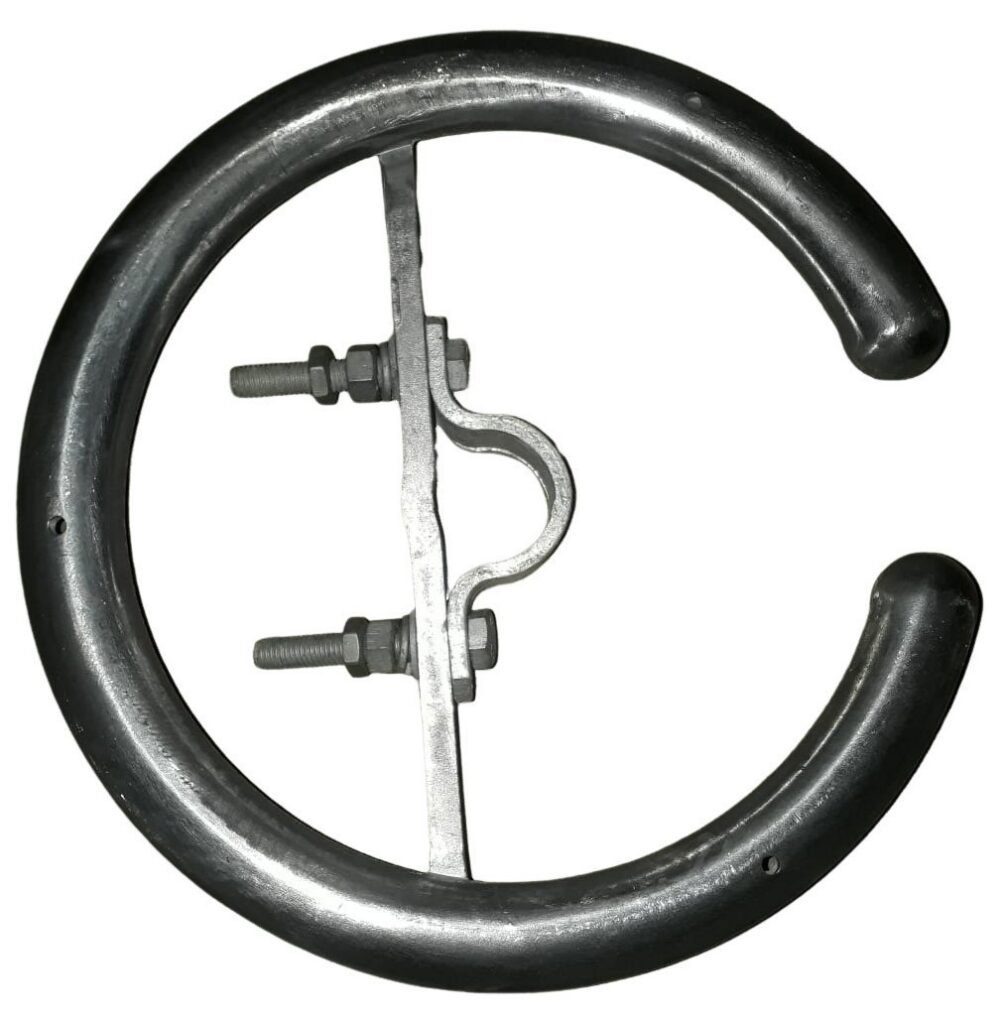
- Controlling electric-field distribution in high-voltage equipment—corona rings redistribute the electric field around high-voltage terminals, insulators, and electrical fittings. Electric concentrations can trigger corona discharge, where equipment geometry, operating voltage, and environmental conditions increase local electric stress.
- Reduce corona-related radio-frequency interference—backbone microwave networks use radio signals to transmit operational data over long distances. Corona rings reduce localized electric-field stress and suppress corona activity where properly designed and installed.
- Supporting reliable SCADA and remote grid monitoring—SCADA systems allow electricity operators to collect operational information from substations and generation plants. Corona rings support the electrical reliability of high-voltage equipment at these facilities.
- Supporting transmission integration and renewable energy connectivity, the microwave networks can provide communication links for remote monitoring, operational coordination, and data exchange between substations and control centers. Corona rings improve electric-field distribution on selected high-voltage equipment.
Microwave backbone networks facilitating transmission growth in Peru
ZTE’s backbone microwave installation in Peru enhances the growing electricity infrastructure with a high-capacity communications layer. This is how it aids the networks.
- Delivering communications for growing transmission infrastructure—a fundamental microwave network offers links between substations and control centers. This establishes a communication route parallel to the physical electrical grid.
- Facilitating improved grid oversight and regulation—contemporary transmission systems rely on digital communication for information exchange between field devices and control centers. It facilitates systems like SCADA, remote terminal units, smart electronic devices, and substation automation.
- Enhancing transmission-grid automation—modernizing transmission entails boosting the capacity to monitor, regulate, and oversee the network. This enables operational data from distant facilities to reach network operators.