
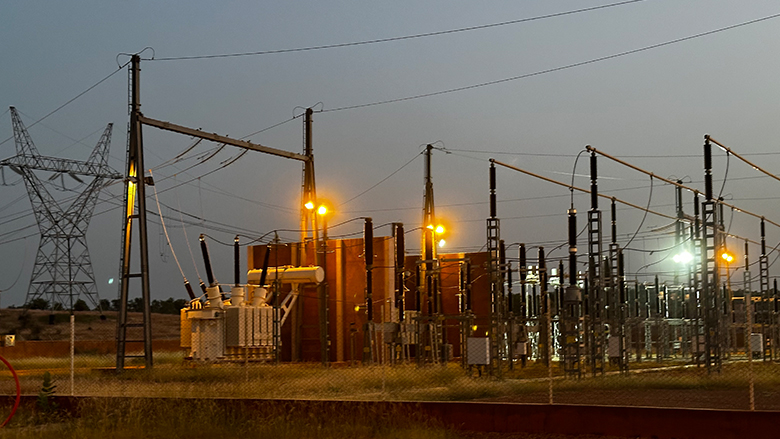
Energy-sharing initiatives between Venezuela and Brazil revolve around hydropower exports and cross-border electricity interconnections. There are regional energy integration efforts that are mainly facilitated by Venezuela’s vast hydroelectric resources and Brazil’s energy demand. The aim of this interconnection is to export surplus electricity from Venezuela’s Guri Dam to Brazil. It uses high-voltage transmission lines connecting Venezuela’s dam to Brazil. It also includes substations and converter stations to manage voltage differences and ensure grid stability. The transmission line has a total installed capacity of 230 kV, aiming to supply 50-200 MW. However, Venezuela’s domestic power shortages are caused by lack of maintenance, economic crisis, and droughts. It is also due to economic collapse and political alliances. The successful cooperation will depend on Venezuela’s economic recovery and bilateral political agreements. Using a ball clevis supports transmission line hardware used in infrastructure supporting energy sharing between both countries.
The grid interconnection will demand long-span lines where flexibility prevents structural damage. Using the ball clevis helps connect insulators to cross-arms on transmission towers and allows the conductor to swing under wind, ice, or thermal expansion. They help distribute tension from the conductor to the insulator string and tower. The clevis simplifies field adjustments during maintenance of cross-border interconnections. Ball clevises provides flexibility, distributes loads, and resists environmental degradation. This ensures reliability of cross-border power lines in challenging environments. The ball clevis serves in suspension assemblies where conductors are hung from towers. They ensure stability despite frequent weather extremes. Roraima’s grid integration efforts use new transmission towers to reduce reliance on Venezuelan imports.
Functions of ball clevis in Venezuela and Brazil energy infrastructure
The ball clevis plays a crucial role in the cross-border energy infrastructure between Venezuela and Brazil. The clevises ensure safe, stable, and reliable power transmission across long distances and harsh terrains. A ball clevis is a type of fitting used in power transmission lines to connect an insulator string to tower arms. It consists of a clevis with a pin and a spherical socket connection. This design allows for secure mechanical connection while enabling movement or pivoting. Its crucial roles include:
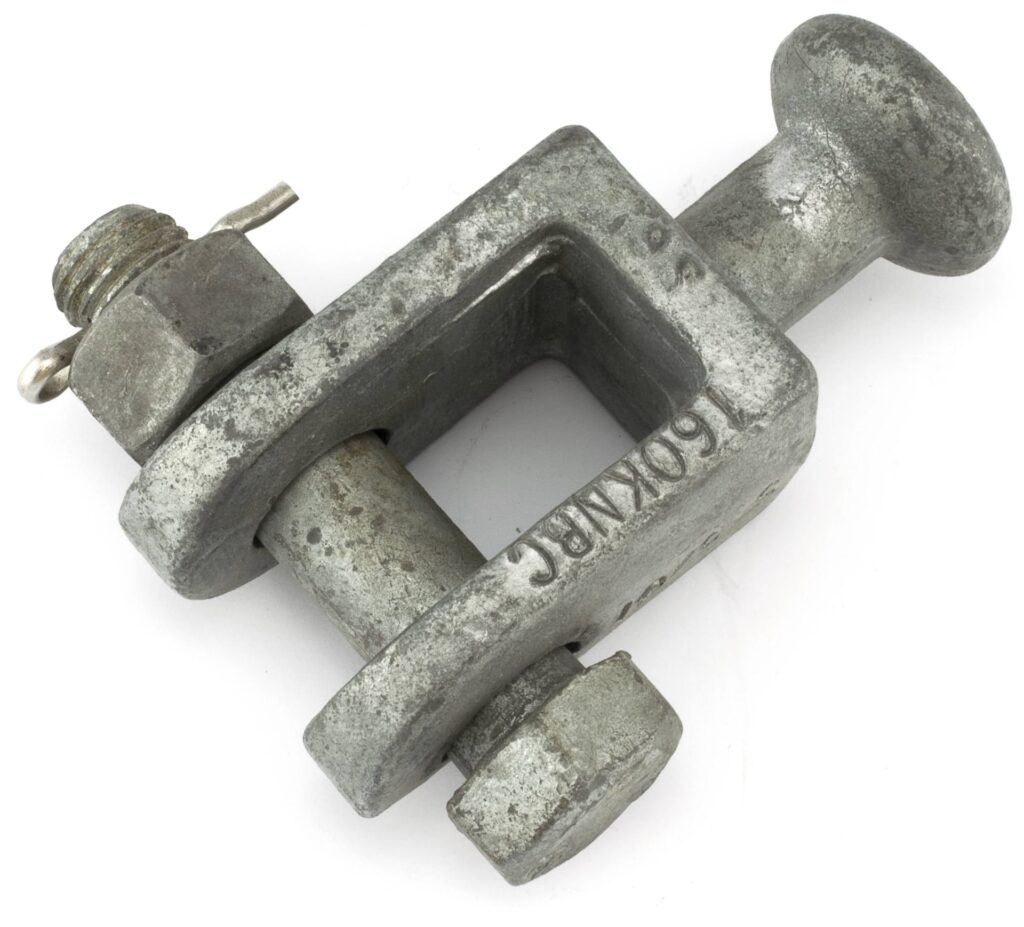
- Connecting insulators to tower hardware—ball clevises help secure suspension and tension insulators to tower crossarms, suspension clamps, and deadend clamps. These connections hold up high-voltage conductors over long spans.
- Allowing flexibility in harsh terrain—the ball clevis allows movement and rotation in the insulator strings. This helps the system absorb wind pressure, thermal expansion, and mechanical vibration. The flexibility reduces stress on conductors and towers to extend their service life and reduce the risk of mechanical failure.
- Improving line reliability and safety—the clevis has the ability to pivot, which helps maintain electrical clearance between live parts and grounded structures. This reduces flashover risk and maintains safe operation of cross-border lines.
- Ease of maintenance and emergency repairs—ball clevises are modular and easy to replace, which is ideal for use in remote areas. It allows linemen to quickly disconnect and reattach components to reduce repair time and restore power faster.
Key issues challenging energy sharing between Venezuela and Brazil
Energy sharing between Venezuela and Brazil faces challenges arising from political, technical, economic, and environmental challenges. These issues disrupt efforts and hinder the expansion or restoration of cross-border energy cooperation. To unlock the potential, both countries must stabilize diplomatic relations, invest in modernizing infrastructure, and focus on renewable energy projects. These issues include:
- Grid instability and blackouts—Venezuela suffers frequent blackouts, grid overloads, and infrastructure failures. For instance, the disconnection makes Roraima reliant on diesel generation, which limits future trust in Venezuela’s grid reliability.
- Aging and damaged infrastructure—components on the transmission line have degraded due to lack of spare parts, inaccessible terrain, or vandalism. Substations on both sides need modernization and integration into smart grid systems.
- Lack of integration with Brazil’s national grid—Roraima is the only Brazilian state not connected to the national grid. This diminishes the strategic value of energy sharing unless Venezuela can offer cleaner and cheaper alternatives.
- Political instability and diplomatic tension—in Venezuela, there are ongoing political turmoil, sanctions, and contested leadership that weaken institutions. Brazil’s foreign policy has fluctuated across administrations, which affects diplomatic relations with Venezuela. This results in poor coordination, delayed repairs, frozen agreements, and a lack of long-term strategic vision.