

Bolivia’s energy sector is transitioning from manual readouts to connected meters, LPWAN sensors, ADMS (Advanced Distribution Management Systems) platforms, and mini-grid controllers. This shift towards smart grids and IoT devices is driven by donor finance, rural electrification pilots, and the growing smart meter market. This helps Bolivia unlock better reliability, lower losses, and faster rural access. Large World Bank and IDB operations fund grid extensions, mini-grids, smart meters, and institutional strengthening that make IoT deployments possible at scale. Additionally, utilities are combining LoRaWAN for rural, low-data use with NB-IoT/cellular for denser or higher-security feeds. IoT devices enable operators to remotely locate and resolve faults. Smart metering and remote disconnects reduce theft and billing errors in the grid. Funding for these devices shows payment models, remote monitoring, and maintenance efficiencies in isolated communities. One bolt guy clamps ensures structural integrity for Bolivia’s integration with smart grids and IoT devices.
One bolt guy clamps secure and fasten guy wires to the pole and provide essential support against forces. This makes them crucial for the reliability of the sensitive and expensive IoT devices deployed on the grid. The guy wire is anchored to the ground from the pole to create a diagonal brace. The guy clamp transfers the immense tension from the wire to the pole. It prevents poles from leaning or collapsing due to the tension of power lines. The clamp also protects the pole line from environmental forces like strong winds and soil erosion. In a smart grid, the clamp ensures physical stability for sensitive IoT devices, communication gateways, line sensors, and recloser controls. One-bolt guy clamps act as a low-cost insurance policy for high-value smart grid assets. These clamps allow the IoT ecosystem to thrive and deliver reliability, efficiency, and sustainability.
Core functions of one bolt guy clamps in Bolivia’s smart grid and IoT integration
Smart grids, IoT-based monitoring, and automated control systems enhance reliability in Bolivia’s energy modernization efforts. Using one-bolt guy clamps ensures the mechanical stability, electrical continuity, and data reliability of power and communication lines. One bolt guy clamps the anchor and secures the guy wires supporting the power lines and communication cables. The clamps secure conductors and communication lines carrying signals from IoT sensors, smart meters, and data transmission units. Here are the roles of one-bolt guy clamps in Bolivia’s smart grid and IoT integration.
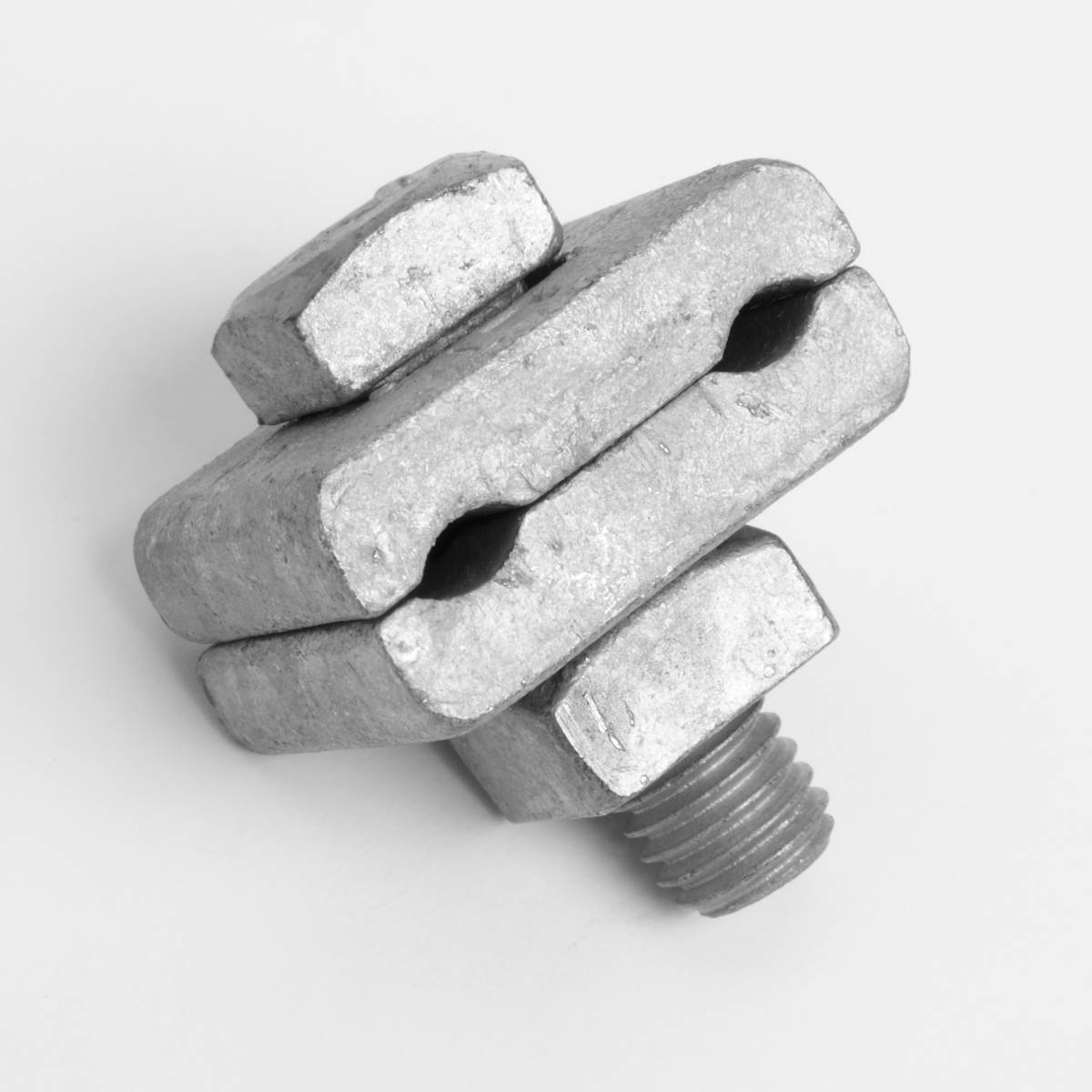
- Structural stability for smart grid hardware—Bolivia’s grid modernization involves installing smart sensors, communication relays, and data concentrators on poles. One bolt guy clamp maintains pole alignment under load, absorbs mechanical tension, and prevents tilting. This reliability ensures that signal quality and sensor calibration remain consistent.
- Supporting overhead communication lines for IoT data transfer—smart grids depend on two-way communication between control centers and field devices. One bolt guy clamp helps anchor fiber optic communication drops carrying IoT data streams. They maintain line spacing and tension to reduce interference between power and data lines.
- Electrical grounding and surge protection support—the guy clamps ensure safe fault current dissipation during lightning or grid surges. They protect smart meters from voltage spikes, remote sensors and data concentrators from transient surges, and communication lines from electromagnetic interference.
- Easing hybrid infrastructure—one bolt guy clamps ensure precise mechanical separation between voltage and data lines, stable cable routing, and ease of retrofitting.
Significance of IoT devices in smart energy development in Bolivia
Bolivia has a diverse geography ranging from high Andean Altiplano to Amazonian lowlands, which leads to increased demand. Adopting IoT devices can improve monitoring and control, reduce losses, enable remote operations, and allow more decentralized and distributed generation. Their applications include:
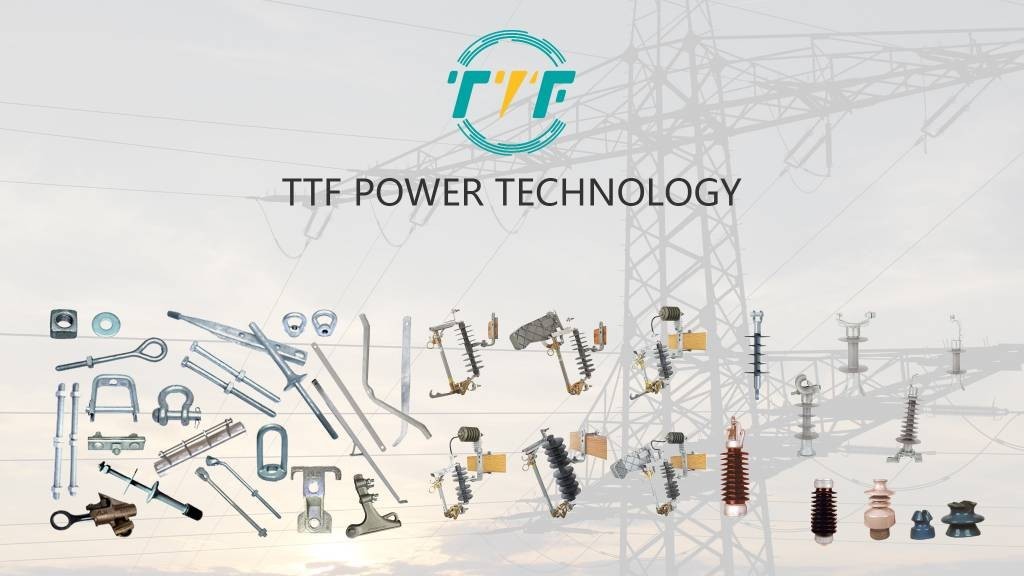
- Advanced metering infrastructure (AMI)—IoT devices work in remote-reading meters with two-way communication and real-time or near real-time data on usage, faults, and voltage quality. They allow utilities to reduce non-technical losses and improve billing accuracy.
- Remote monitoring and control of public lighting—streetlightsor public lighting systems connected through IoT devices enable dimming and monitoring of faults.
- Predictive and condition monitoring of grid assets—placing IoT sensors on transformers, lines, and poles helps predict failures.
- Energy efficiency and building management—IoT work in buildings for lighting, HVAC control, monitoring power quality, and optimizing energy usage. This helps cut consumption, improve comfort, and reduce waste.