
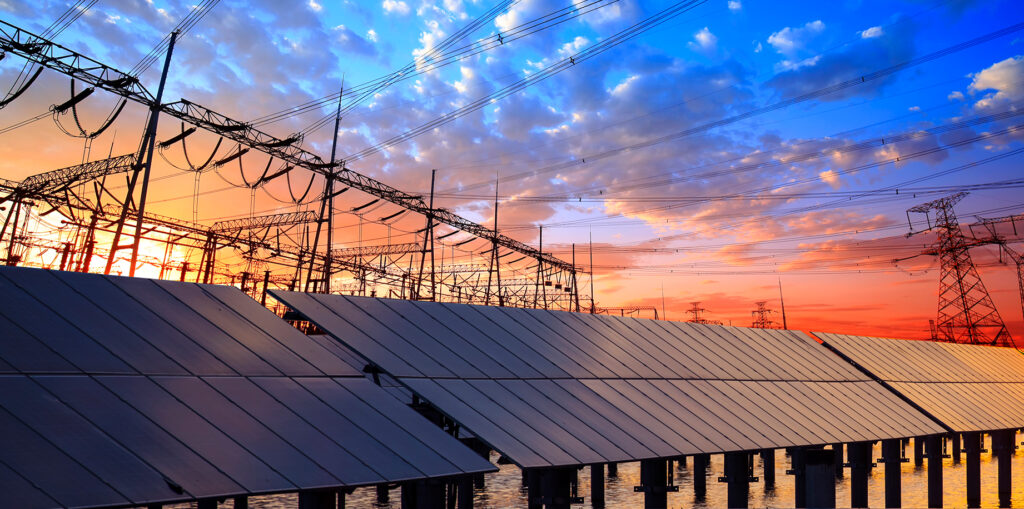
The Argentine renewable energy firm Genneia reported the launch of 140 MW at the San Rafael solar facility located in Mendoza. The San Rafael initiative will achieve a largest installed capacity of 180 MW and signifies an investment of USD 180 million. Upon becoming operational, it will enhance Mendoza’s position in the growth of sustainable energy infrastructure in Argentina. The initiative consists of 400,000 solar panels and delivers clean energy to buyers via Argentina’s Mercado a Termino de Energia Removable, the nation’s forward market for renewable energy purchase contracts. Incorporating the 140 MW of solar capacity requires unified enhancements in transmission, substations, and balance-of-system elements. This requires the use of strong hardware elements like the double-ended bolt. Line post insulators ease the connection and distribution of newly produced solar energy throughout Argentina’s sector
Solar farms rely on interconnection substations to step up generation voltage to distribution voltage. Line post insulators serve as structural insulating columns to support and isolate busbars, disconnect switches, and other equipment. The insulators allow for a more compact, space-saving, and cleaner design. This reduces the land footprint and material costs. Line post insulators mount onto the crossarms of concrete poles to support and insulate the conductors. They offer high mechanical strength and handle the tension of the conductors and the wind loads.
Modern post insulators consist of polymer that offers water shedding, UV resistance, and vandal resistance. Polymer line post insulators offer an easier, lighter upgrade path than porcelain. The insulation coordinates with protective devices such as reclosers and sectionalizers to ensure selective isolation of faults. Their electrical performance helps maintain power quality under varying loads.
Importance of large-scale solar for grid reliability and energy security in Argentina
Expansion of solar capacity is vital for Argentina as it updates its power system in response to increasing demand, limitations on fuel imports, and goals for decarbonization. The growth of solar capacity enhances Argentina’s grid by boosting reliability, decreasing fuel reliance, and implementing sophisticated control features. Solar energy evolves from an ancillary resource to a critical asset for grid reliability and energy safety
Line post insulators in the Mendoza solar capacity expansion
Line post insulators ensure the safe and reliable evacuation of generated energy from solar arrays into the grid. The insulators perform electrical and mechanical roles in medium- and high-voltage networks connecting solar plants to transmission and distribution systems. They combine high dielectric strength with mechanical robustness to withstand environmental stresses. Here are the functions of the line post insulators in solar projects.

- Electrical isolation between conductors and structures—the line post insulator prevents uncontrolled electrical current flow between energized conductors and support structures. They ensure electricity generated by solar arrays remains confined to specific conductors.
- Mechanical support and conductor stability—line post insulators handle the mechanical load of the conductors. They support the weight of cables, maintain spacing and alignment, and resist stresses from wind and temperature fluctuations.
- Enabling safe transmission of solar-generated power—the insulators serve on feeder lines and substation equipment. This ensures delivery of high-voltage electricity without flashover or leakage to grounded steel work.
- Support for system expansion and upgrades—line post insulators allow expansion by allowing modular, scalable high-voltage lines and substation connections. They make it easier to integrate extra solar feed-in points without redesigning the support structure.
Essential infrastructure backing the San Rafael solar facility in Mendoza
The San Rafael solar facility depends on essential infrastructure elements that guarantee dependable generation, adherence to grid standards, and sustained operational efficiency. Every infrastructure layer aids in converting solar irradiation into a reliable electrical yield. This framework consists of:
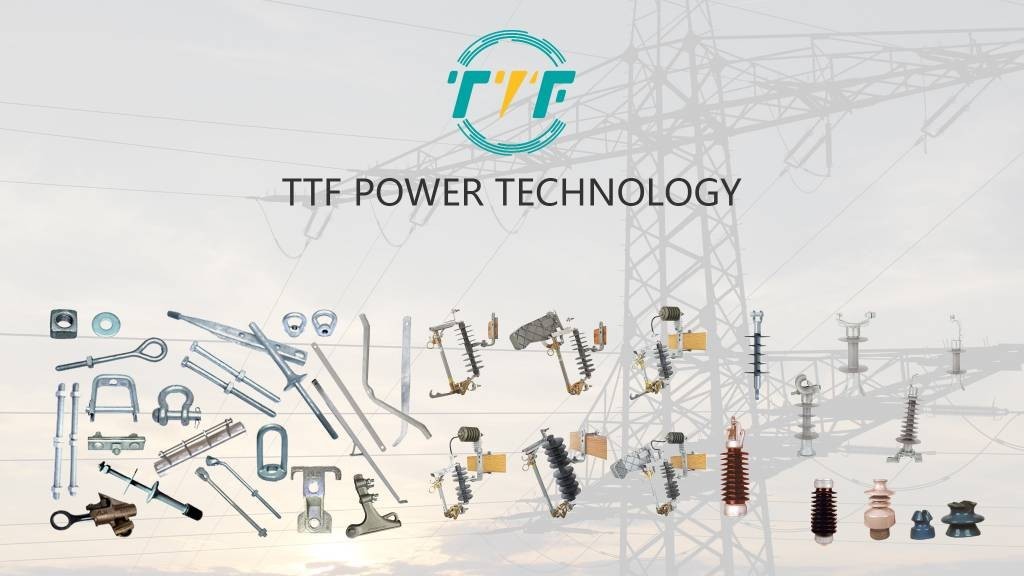
- Photovoltaic panels—these panels optimize energy production while ensuring stable performance under heat stress and ultraviolet exposure.
- Support structures and foundations—ground-mounted racking systems offer mechanical stability and ideal module positioning. These structures are anchored with reinforced concrete bases to endure Mendoza’s wind forces and seismic conditions.
- Inverters and power electronics—these devices assist in voltage regulation, control of frequency, and support reactive power. Employing sophisticated inverter technologies allows for grid-forming and grid-supporting capabilities to assist the plant in adhering to Argentina’s grid regulations.
- Substation and grid connectivity—the solar facility employs transformers, switchgear, and protection mechanisms to guarantee secure and synchronized power delivery. Employing line post insulators aids in sustaining these varied connections for the growth of solar capacity.