
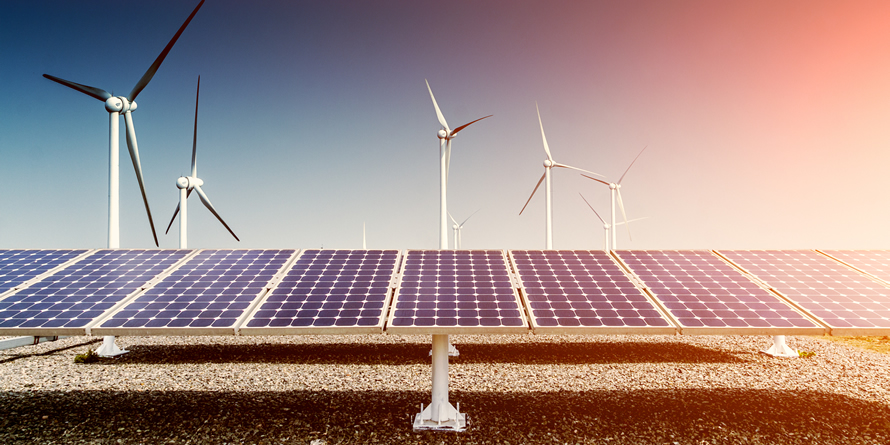
Argentina’s renewable energy company, Genneia, aims to reach a new milestone of exceeding 2 GW of installed renewable capacity in Argentina by 2026. It is doing so while advancing battery energy storage projects, power transmission works, and electricity supply for large consumers. Genneia leads Argentina’s market with 1,540 MW in operation and a balanced pipeline split evenly between solar PV and wind power. Solar and wind energy expansion increases the share of power in Argentina’s energy mix and reduces dependence on thermal generation and imported fuels. It also improves system resilience by spreading generation risk across nodes of the grid. Integrating solar and wind capacity with storage mitigates their intermittency. This integration enables energy shifting, peak support, and grid-balancing services. It also leads to improved frequency stability, reduced curtailment, and predictable dispatch of renewable electricity. The energy capacity expansion demands the use of U-bolt guy clamps.
Guy clamps provide stability and safety of tall structures in both solar and wind infrastructures. The U-bolt guy clamps create a secure, permanent loop or eye in a guy wire. It clamps the load-bearing end of the cable back onto the live part of the cable. Solar and wind installations use guyed masts for specific applications. U-bolt guy clamps serve as the ground anchor points at the tower attachment points to secure the guy wires. They create loops that connect to anchor shackles or tower lugs.
U-bolted guy clamps secure many guy wires that keep the entire turbine tower from buckling under thrust and wind loads. They are essential for stabilizing construction cranes, temporary lighting, or communication antennas on site. Guy wire systems, including the U-bolt clamps, are made from hot-dip galvanized steel or stainless steel. These materials ensure the clamps withstand Argentina’s diverse conditions.
Functions of U-bolt guy clamps in renewable energy expansion infrastructure
U-bolt guy clamps ensure structural stability of support systems exposed to mechanical and environmental stress. They provide safe and reliable operation of renewable energy infrastructure. Guy clamps stabilize support structures and ensure durability in environmental and mechanical stresses. Here are the functions of the U-bolt guy clamps in renewable energy expansion in Argentina.
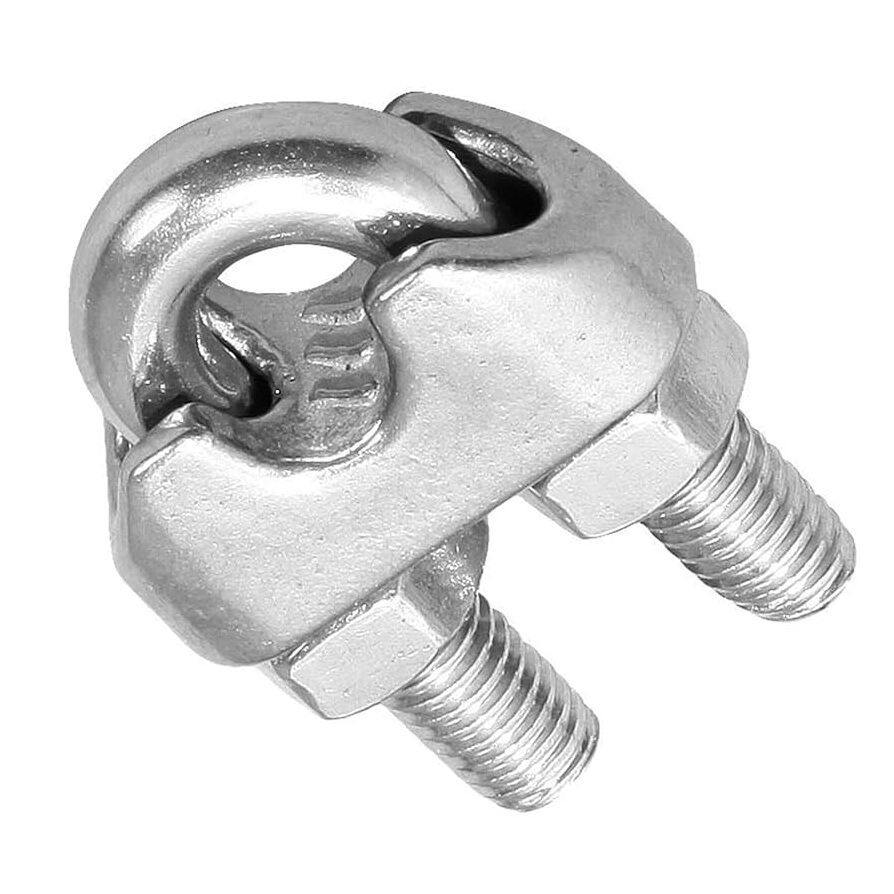
- Securing guy wires and stay systems—the U-bolt guy clamps secure guy wires to poles, masts, and structural elements. The clamps anchor the guy wire, maintain correct tension, and prevent slippage under wind loads.
- Maintaining structural stability—the guy clamps provide a robust mechanical grip that enables guyed systems to absorb dynamic loading without loosening. This maintains alignment and prevents excessive movement that could affect sensors, cables, or structural elements.
- Load transfer and tension control—U-bolt guy clamps ensure uniform load transfer along the wire. It does this by holding strands without damaging them. The clamps help maintain tension for continuous performance of guyed support systems.
- Compatibility with diverse structural elements—the guy clamps support steel poles, lattice towers, concrete structures, and wooden posts. The clamps have an adjustable design that accommodates wire diameters and pole sizes.
Potential barriers to address for 2 GW renewable capacity in Argentina
For Genneia to reach the 2 GW renewable capacity in Argentina, the company should navigate various structural, regulatory, and technical barriers. These barriers affect timelines, costs, and operational performance. The success of the development will determine whether extra capacity delivers reliable, dispatchable, and sustainable power to the grid. Using U-bolt guy clamps supports execution efficiency, infrastructure reliability, and risk reduction. This is essential for Genneia to reach and sustain its 2 GW renewable goals. These barriers include:
- Transmission constraints and grid congestion—the company is developing its own transmission networks that reduce project delays and partial dispatch. It will also need regulatory approvals and construction timelines that hinder the development.
- Integration of variable generation—solar and wind integration is more complex as the company scales up its portfolio. The development of battery energy storage projects helps address these barriers.
- Equipment supply chain—solar panels, wind turbines, inverters, and batteries face global supply chain disruptions. The company should address delays in equipment delivery or sudden increase in costs that affect project economics.
- Regulatory and permitting complexity—large-scale renewable projects must address permitting processes in Argentina. These include national, provincial, and municipal authorities. Regulatory uncertainty around transmission access rules can affect investment decisions and project sequencing.