
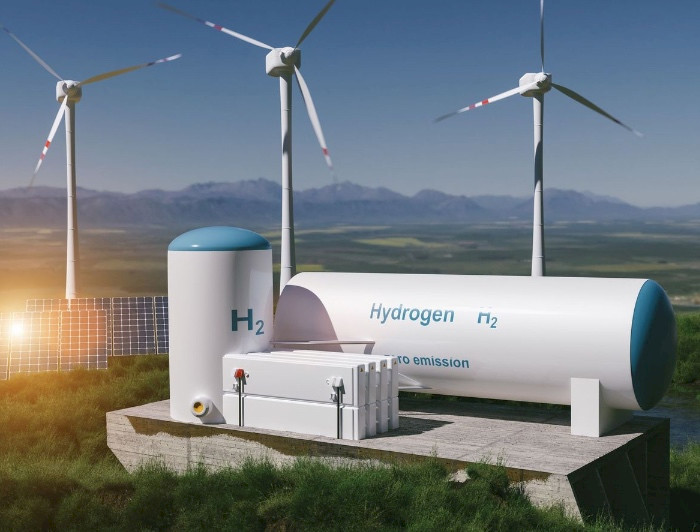
Chile is positioning green hydrogen as an extension of its renewable energy sector. With solar and wind resources, Chile can integrate these resources with green hydrogen infrastructure and improve transmission capacity. Green hydrogen addresses curtailment risks by converting surplus renewable electricity into a storable, dispatchable, and exportable energy vector. Northern Chile has abundant solar resources, with solar PV as the dominant energy source for electrolysis. Hydrogen helps absorb surplus generation and reduce curtailment. Southern Chile has high-capacity-factor onshore wind and near-continuous power supply. This power enables higher electrolyzer use. Hydrogen absorbs renewable variability that batteries cannot economically manage over time. Additionally, green hydrogen provides a non-grid sink for excess renewable electricity. It helps reduce curtailment during peak solar hours. Hydrogen functions as a grid relief mechanism that converts constrained electrons into molecules without immediate grid reinforcement. These connections rely on high-quality hardware such as cable suspension clamps.
Cable suspension clamps secure, support, and protect conductive cables across challenging landscapes. The clamps suspend overhead cables from supporting structures and carry the full weight of the cable span. Suspension clamps ensure a secure electrical connection while preventing damage to the cable from abrasion and vibration. They allow for thermal expansion and contraction of cables and dampen vibrations induced by wind or galloping. Cable suspension clamps suspend high-voltage and extra-high-voltage conductors on the towers bringing power to the electrolyzer site. The clamps must handle the high mechanical tension of long-span lines and the electrical current load. Suspension clamps also secure busbars and connect cables between transformers, circuit breakers, and other equipment.
Technical specifications and quality assurance for cable suspension clamps
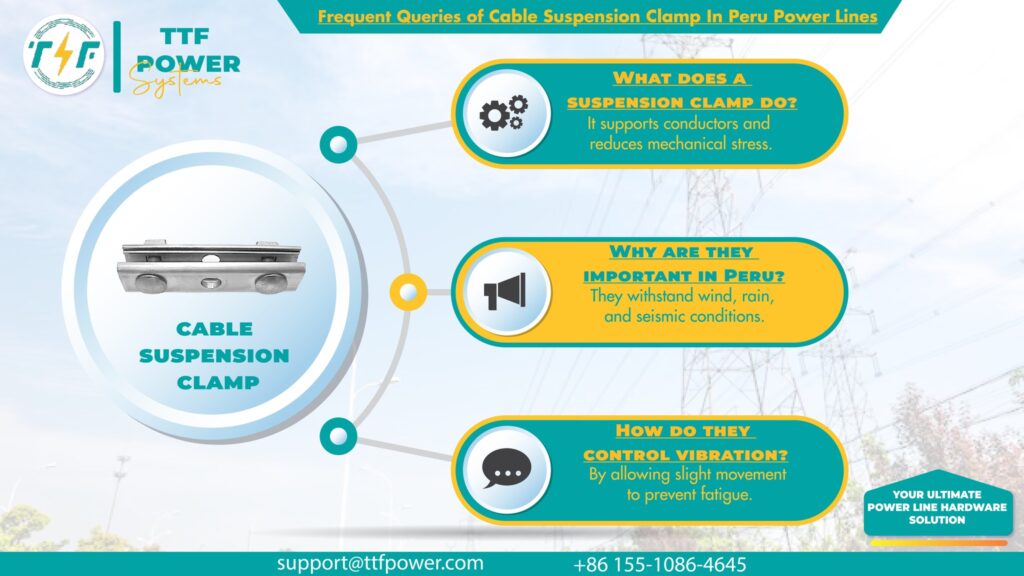
Cable suspension clamps support, secure, and manage electrical and instrumentation cables throughout hydrogen facilities. They protect production plants, renewable energy farms, electrolysis units, compressor stations, storage terminals, and export terminals. The suspension clamps support and secure power and control cables. They also maintain proper cable spacing, and protect cables from mechanical damage. The material and mechanical properties should ensure corrosion resistance, high tensile strength, and fatigue resistance. Suspension clamps support power and instrumentation cables. They secure cables with varying diameters, weights, and routing geometries. It consists of an adjustable clamping range to handle cable sizes, rounded edges, locking mechanisms, and vibration-damping inserts. Quality assurance ensures the durability of cable suspension clamps in the hydrogen infrastructure.
Cable suspension clamps in green hydrogen and renewables integration in Chile
Using cable suspension clamps in a green hydrogen ecosystem ensures the mechanical integrity and long-term reliability of electrical and control cable systems. These cablea connect renewable assets to hydrogen production infrastructure. They support power and control cables across renewable plants, electrolyzers, storage systems, and export infrastructure. Here are the functions of the suspension clamps in the green hydrogen ecosystem in Chile.
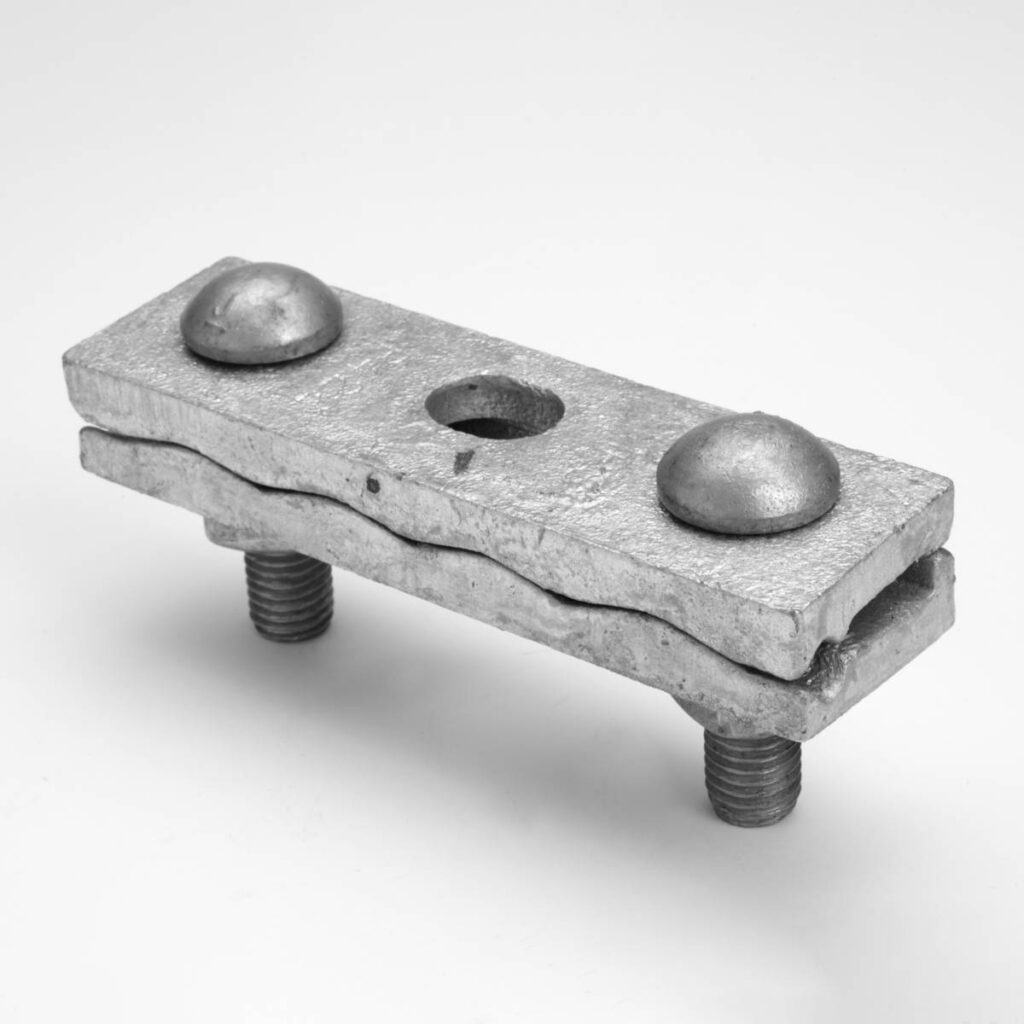
- Supporting power transmission between renewables and electrolyzers—cable suspension clamps support medium- and low-voltage power cables. These cables connect solar PV plants to electrolyte skids, wind farms to hydrogen production hubs, and power conversion systems.
- Maintaining cable alignment and separation—cable suspension clamps correct spacing between power, control, and instrumentation cables. They offer proper cable alignment where signal integrity affects process control, safety interlocks, and hydrogen system automation.
- Mitigating vibration and dynamic loads—suspension clamps limit micro-movement of suspended cables. They also reduce fatigue stress at terminations, and protect cable sheathing from abrasion.
- Supporting modular and scalable infrastructure design—the clamps enable standardized cable routing for prefabricated electrolyzer and power skids. They also enable fast installation and reconfiguration of cable paths.
Role of technology in Chile’s green hydrogen sector
Adoption of advanced technologies supports the development of Chile’s green hydrogen given its geographic scale, renewable variability, grid constraints, and seismic exposure. Key technologies supporting the development include renewable energy technologies, electrolyzer technology and system optimization, power electronics and grid interface technologies, and energy storage and flexibility technologies. Technology adoption increases electrolyzer efficiency, reduces downtime through automation, improves renewable use rates, and enables firm offtake through reliable production profiles.
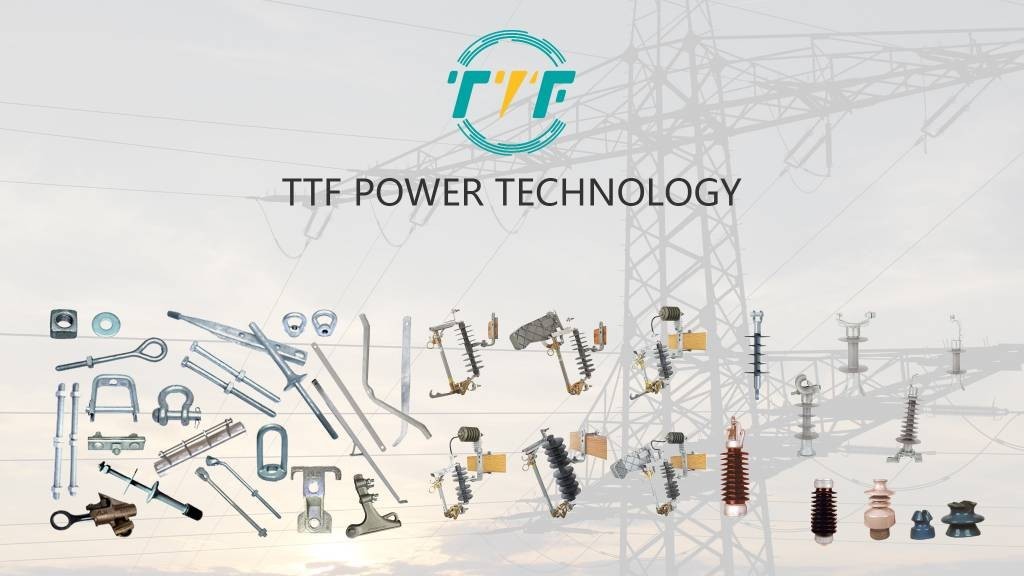
Chile’s hydrogen reflects a technology-driven system approach that enables the move from ambition to integrated hydrogen deployment. Cable suspension clamps ensure the safe, stable, and durable routing of electrical and control cables. They support power, control, and instrumentation cables. These cables then connect renewable generation, electrolyzers, compressors, storage systems, and power-to-X units. They carry cable loads, maintain proper alignment, and prevent excessive sagging.