
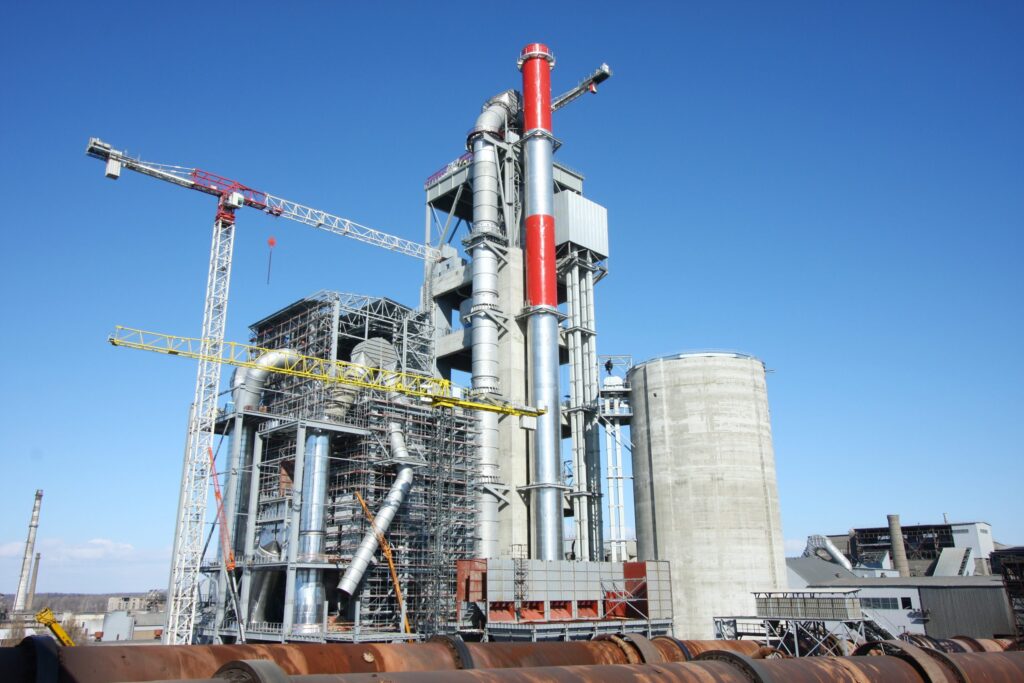
Arauco, Copec, and Abastible created a partnership to assess a power-to-liquids e-fuel project in Chile. Chile’s Biobio region has established industrial and forestry hubs with strong grid connectivity, port access, and proximity to biomass resources. These features lower logistical barriers for PtL deployment. They also enable potential integration of renewable electricity, biogenic carbon dioxide, and existing fuel distribution infrastructure. The industrial profile creates demand for low-carbon fuels in hard-to-abate sectors. These sectors include heavy transport and industrial heat. E-fuels are synthetic fuels produced from biogenic carbon dioxide and renewable hydrogen. These fuels offer potential to decarbonize sectors where direct electrification might be challenging. Key infrastructure for the production process includes carbon capture, renewable hydrogen production, and catalytic synthesis. These interconnections depend on hardware components such as cable suspension bolts.
Cable suspension bolts serve in hydrogen storage caverns, carbon storage tunnels, and water tunnels. Cable bolts are installed in patterns to create a reinforced rock arch above excavations to prevent block failure in jointed rock masses. They offer flexibility that allows for some rock deformation without failure. Cable bolts provide through-going reinforcement that ties potential failure wedges to stable bedrock. They create a reinforced rock mass and surface support. They also serve across fault places to maintain continuity and prevent shear displacement during seismic events. The cable bolts have a combination of steel strands and grout that allows cable bolts to absorb kinetic energy from sudden rock burst events. Cable suspension bolts provide ductile, deformable support that can withstand cyclic loading from earthquakes better than rigid support systems.
Quality assurance for cable suspension bolts in e-fuel production infrastructure
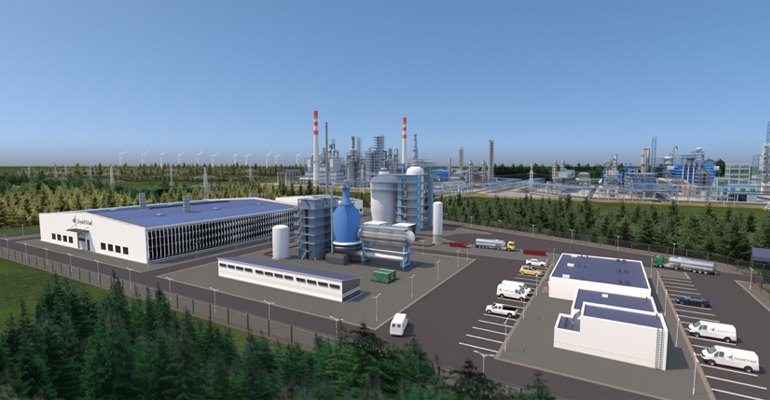
Quality assurance for cable suspension bolts ensures the structural integrity, operational safety, and long-term reliability of e-fuel production infrastructure in Chile. Cable suspension bolts support power, control, and instrumentation cables in pipe racks and cable trays. They suspend overhead services in electrolyzer halls, compressor buildings, and synthesis units. Cable bolts also maintain safe cable separation from hot surfaces, rotating equipment, and chemical lines. Quality assurance for cable bolts includes confirmation of steel grade, tensile strength, and ductility, verification of corrosion protection, and heat number traceability. Assured cable bolts must meet strict tolerances to ensure proper load transfer, thread accuracy, dimensional checks, and verification of coating thickness and adhesion. Quality assurance for cable suspension bolts helps maintain structural safety, electrical reliability, and regulatory compliance.
Cable suspension bolts in e-fuel production infrastructure in Chile
Cable suspension bolts offer structural, safety, and operational control within e-fuel production infrastructure in Chile. The cable bolts are load-bearing interfaces that ensure electrical and control systems remain secure, compliant, and operational in demanding industrial and seismic conditions. Here are the key functions of the cable suspension bolts in PtL and e-fuel production infrastructure.
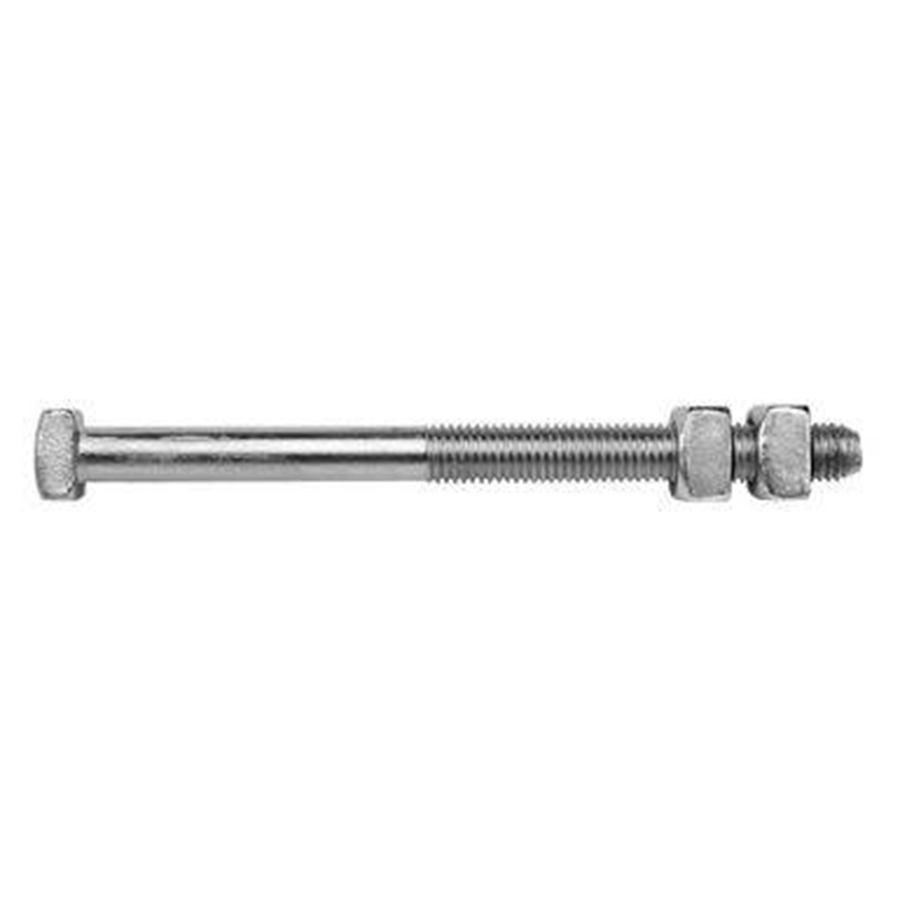
- Structural support of electrical and control systems—cable suspension bolts suspend power cables feeding electrolyzers, compressors, and synthesis units. They support instrumentation and control cabling for automated process control.
- Load transfer and mechanical stability—cable suspension bolts carry static loads from cable trays, ladder racks, and bundled conductors. They also resist dynamic loads caused by vibration from rotating compressors and pumps. Proper load transfer ensures that cable systems remain intact even under transient stress conditions.
- Integration with modular and scalable plant design—cable suspension bolts enable fast installation and reconfiguration of cable routes, support expansion, and improve constructability and commissioning timelines.
- Compliance with electrical standards—cable bolts enable compliance with electrical separation and spacing requirements, fire safety, and fault-load design.
Potential impacts of PtL and e-fuel production in Chile’s energy sector
Power-to-liquids and e-fuel production can reshape Chile’s energy sector and extend the country’s renewable advantage into fuel, industry, and exports. The production can influence system integration, industrial development, decarbonization, and energy geopolitics. Key impacts of e-fuel production include:
- Decarbonization—Ptl and e-fuels enable Chile to address hard-to-abate sectors that electrification cannot reach. Synthetic fuels can replace fossil fuels in marine transport, heavy road transport and mining operations, and industrial processes that need high energy density fuels.
- Expansion of renewable energy deployment—e-fuel production has the potential to drive large-scale solar and wind capacity, improve use of renewable resources, and support hybrid systems combining renewables with storage.
- Industrial diversification and value addition – e-fuel production encourages local manufacturing, engineering, and construction services. It also creates employment in industrial regions and integrates regional development to reduce reliance on commodity exports.