
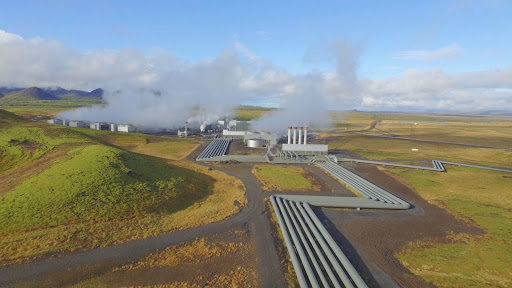
Peru conducted a study that confirmed a large-scale geothermal system in the southern Andes, near the Chilean border. The study provided new evidence of key structures for geothermal energy generation in the area. Geothermal energy is a new opportunity to diversify the national energy mix with a clean and constant source for Peru. The development promotes regional energy independence, reduces long-distance transmission losses, and enables localized industrial growth. Geothermal projects attract foreign direct investment, generate employment in engineering and drilling, and stimulate infrastructure development. To achieve full geothermal energy success, Peru has to address high exploration risks, financing challenges, infrastructure deficits, and regulatory bottlenecks. Peru could integrate geothermal as a renewable, reduce exposure to hydrological and fossil fuel risks, and position itself as a regional leader in untapped geothermal resources. These interconnections demand the use of high-quality clevis brackets.
High-quality brackets join and anchor various components of the electrical and structural systems. They ensure stability in the challenging and seismically active terrain in Peru. Clevis brackets create secure, flexible connection points within tension assemblies. The brackets anchor the guy wires that stabilize drilling rigs, towers, and other tall equipment. They connect the guy wire to anchor rods to structure-mounted eye plates. Robust brackets join anchor rods to the tensioning systems that support poles and other structures. Clevis brackets are from forged steel or ductile iron with hot-dip galvanization. These materials protect the brackets from corrosion caused by humidity, volcanic soil gases, and exposure. They are also able to withstand extreme mechanical loads and tension forces in geothermal operations.
Quality assurance for clevis brackets used in geothermal energy infrastructure
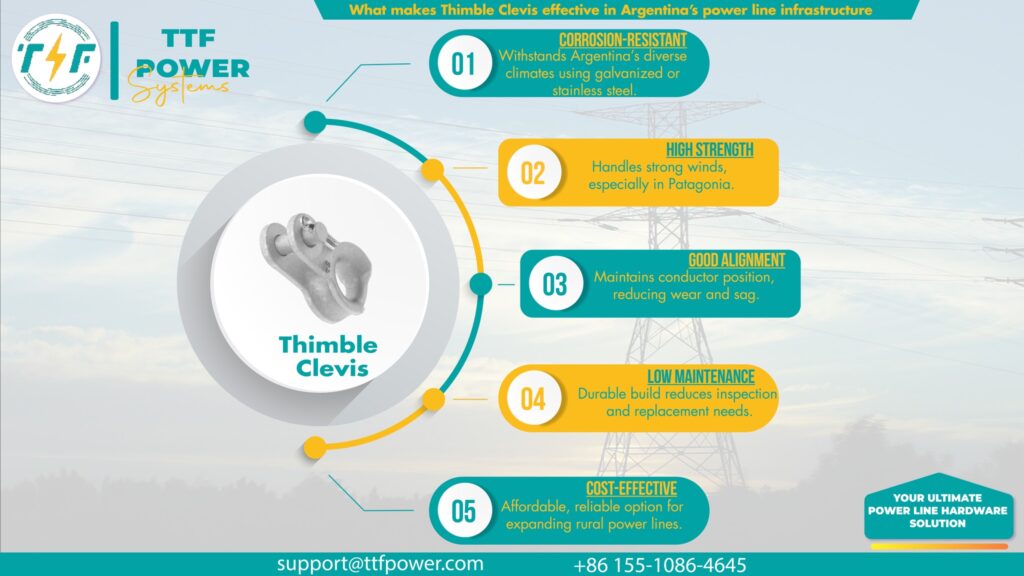
Conducting quality assurance for clevis brackets in geothermal infrastructure ensures mechanical and electrical stability of the infrastructure. Quality assurance for the brackets exceeds transmission hardware standards due to corrosion and seismic loading. Clevis brackets connect insulators, guy strain assemblies, and conductor hardware. They also transfer tensile and shear loads between structural members. The process begins with material verification through chemical composition analysis, mechanical property testing, and grain structure inspection. It also undergoes heat treatment that determines strength and ductility balance. Quality assurance also includes dimensional and manufacturing control, corrosion protection, and mechanical load and performance testing. QA protocols are necessary to prevent failure at critical connection points and to ensure system integrity.
The roles of clevis brackets in geothermal energy infrastructure in Peru
Clevis brackets act as mechanical interface components that enable secure, flexible, and load-efficient connections in various systems. They function in transmission networks, guyed structures, and plant facilities. Clevis brackets ensure that infrastructure can withstand thermal, mechanical, and seismic stresses. They maintain structural integrity and reliable power delivery. Here are the roles of clevis brackets in geothermal energy infrastructure.
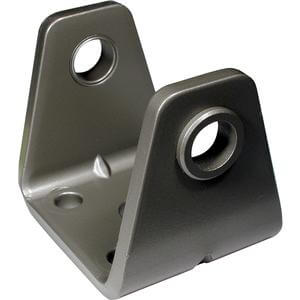
- Load transfer and structural connectivity—the clevis brackets act as load-bearing connectors; they connect insulators to poles, crossarms, or towers. They ensure mechanical forces from conductors, wind, and conductor weight are distributed through the structure.
- Articulation and movement accommodation – clevis brackets incorporate a pin-and-jaw design allowing rotational movement at connection points. They enable angular flexibility in transmission line hardware, compensation for thermal expansion, and reduction of stress concentrations caused by rigid connections.
- Support for transmission line assemblies – the brackets connect suspension and strain insulators to towers. They interface with clamps, yokes, and insulator fittings to maintain alignment of conductors under varying tension.
- Support for auxiliary and plant structures—the brackets in geothermal facilities support piping systems, connect structural bracing in wellheads, and attach tensioned supports for vertical equipment.
Geothermal energy integration with renewable energy in Peru
Geothermal energy integrates with renewables in Peru in system-architecture levels. It stabilizes solar, wind, and hydropower resources in the country. The integration provides continuous baseload generation that stabilizes variable renewable sources. The integration enables a more resilient, efficient, and low-carbon energy system. This integration is through:
- Hybrid plant configurations—integrating geothermal and solar reduces cost on infrastructure through sharing land, transmission, and substations. Integration with wind provides a balanced and steady geothermal output.
- Grid-level integration—the integration reduces curtailment of renewables, optimizes system efficiency, and enhances reliability in various regions.
- Synergy with hydropower systems—geothermal integration reduces pressure on reservoirs during dry periods, allows water conservation strategies, and provides firm capacity when hydrological output declines.
- Energy storage optimization – geothermal energy reduces the need for large-scale storage by providing constant output, allowing batteries to focus on short-term balancing and improving the economics of storage deployment.