
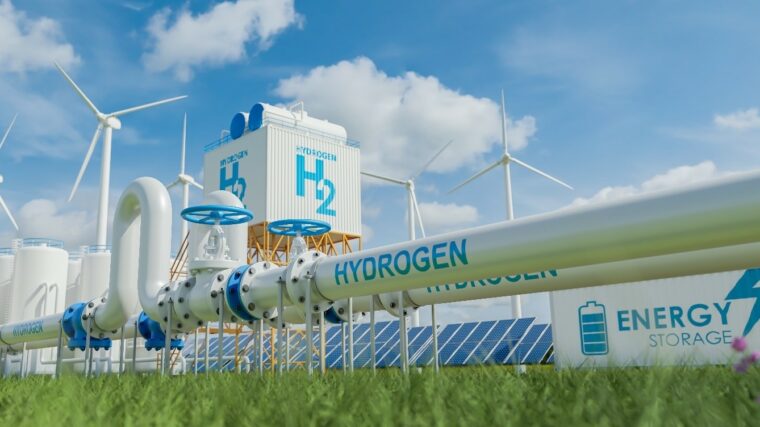
Bolivia launched its first green hydrogen pilot projects in Oruro, Tarija, and Santa Cruz as part of its energy transition strategy. The initiative involves a 2 MW solar-powered electrolyzer that produces hydrogen through water electrolysis. It aims to blend hydrogen with natural gas for industrial and residential uses. The projects are part of Bolivia’s plan to diversify the energy mix and enter the global low-carbon hydrogen market. Green hydrogen projects integrate with renewables such as solar and wind to reduce reliance on fossil fuels and ensure energy security. The Oruro project uses solar energy to power the electrolyzer. This creates a pathway for large-scale renewable integration into Bolivia’s grid. Blending hydrogen with natural gas reduces the carbon footprint of household heating and industrial processes. Compression splices are crucial in the infrastructure powering electrolyzers to compress and store hydrogen.
Green hydrogen blending with natural gas allows Bolivia to extend the lifespan of its existing gas infrastructure while preparing for a cleaner energy future. This demands an extensive network of high-capacity electrical wiring and cabling. The conductor splices create reliable, permanent, and safe electrical joints in the power distribution network. The splices join the cables reliably within combiner boxes and along runs to the inverter stations in solar farms. In wind turbines, larger cables running down the tower need splicing for length extension or repair. The compression splice ensures a robust connection that can handle the vibration and movement in a turbine. Wind and solar energy power electrolyzers for green hydrogen production in Bolivia. The electrolyzer plants consist of many electrolyzer stacks that depend on cables carrying thousands of amps. Compression splices join these sections to create a low-resistance path to each stack.
Functions of compression splices in Bolivia’s green hydrogen projects
Compression splices in Bolivia’s green hydrogen enable renewable-powered hydrogen production and integration. They enable reliable, low-loss, and durable conductor connections. This helps ensure the stable renewable power supply needed for electrolysis, blending operations, and hydrogen integration into the national energy mix. Here are the functions of compression splices in Bolivia’s green hydrogen infrastructure.

- Reliable conductor joining for renewable power lines—the 2MW Oruro electrolyzer depends on stable electricity transmission from solar energy. Compression splices connect two lengths of conductors. They ensure mechanical strength and electrical continuity in solar farm distribution lines.
- Reducing electrical resistance and energy losses—proper installation of compression splices creates a low-resistance joint. This prevents hotspots and power losses in the infrastructure. Reducing energy losses helps keep Bolivia’s green hydrogen efficient.
- Ensuring mechanical durability—the projects may experience strong winds, high UV exposure, and temperature swings. Compression splices provide strong, vibration-resistant joints that withstand mechanical stresses.
- Supporting grid integration of hydrogen facilities—hydrogen plants feed electricity back into the grid. The splices enable secure conductor extensions at substations and tie-in points. This allows stable two-way energy flow between solar plants, hydrogen electrolyzers, and the national grid.
Key measures to maintain the continuous operations of Bolivia’s green hydrogen projects
Bolivia’s green hydrogen projects need technical, operational, and policy-level measures to guarantee continuous operations. Their continuous operations ensure reliable hydrogen output, build confidence among investors, and strengthen Bolivia’s position in the regional green hydrogen economy. Combining technological strength, infrastructure reliability, safety systems, and supportive policy frameworks helps Bolivia scale up hydrogen production. Key measures put in place are as discussed below.
- Infrastructure for hydrogen distribution—this includes blending green hydrogen with natural gas for industrial and residential use. It also includes maintaining robust compressors, pipelines, and blending stations to ensure an uninterrupted supply.
- Hydrogen production system—this is the deployment of modern PEM and alkaline electrolyzers that can withstand fluctuations in power input. It also includes cooling and water management systems to ensure a continuous supply of purified water.
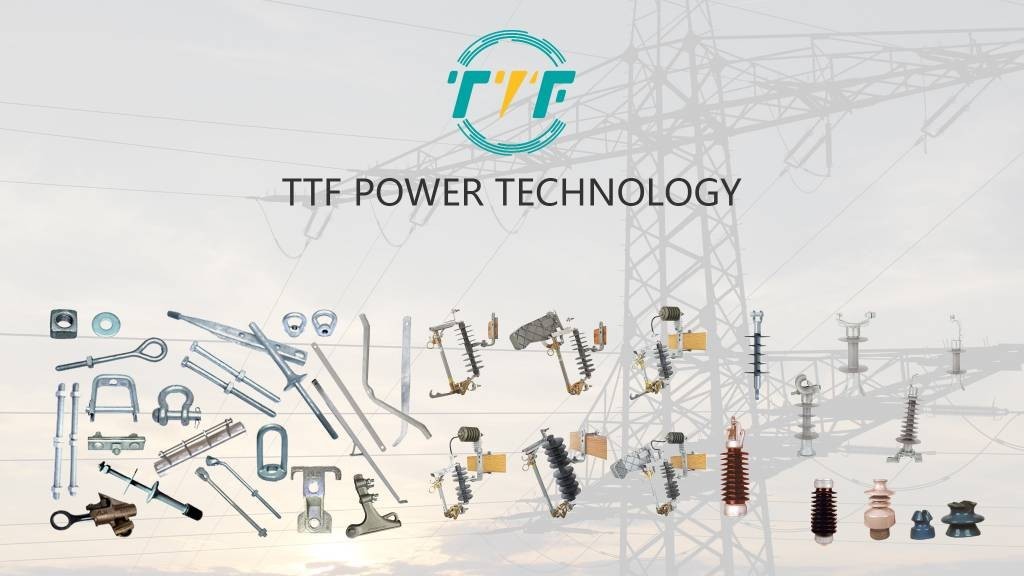
- Robust grid infrastructure—use of high-quality conductor hardware like compression splices and insulator pins ensures stable electricity flow to hydrogen plants. Upgraded substations and tie-ins enable consistent power delivery and integration with hydrogen systems.
- Stable renewable power supply—the green hydrogen projects use renewable energy to power the electrolysis process. It also includes the use of batteries and hydrogen storage to maintain operations during solar intermittency or grid disturbances.