
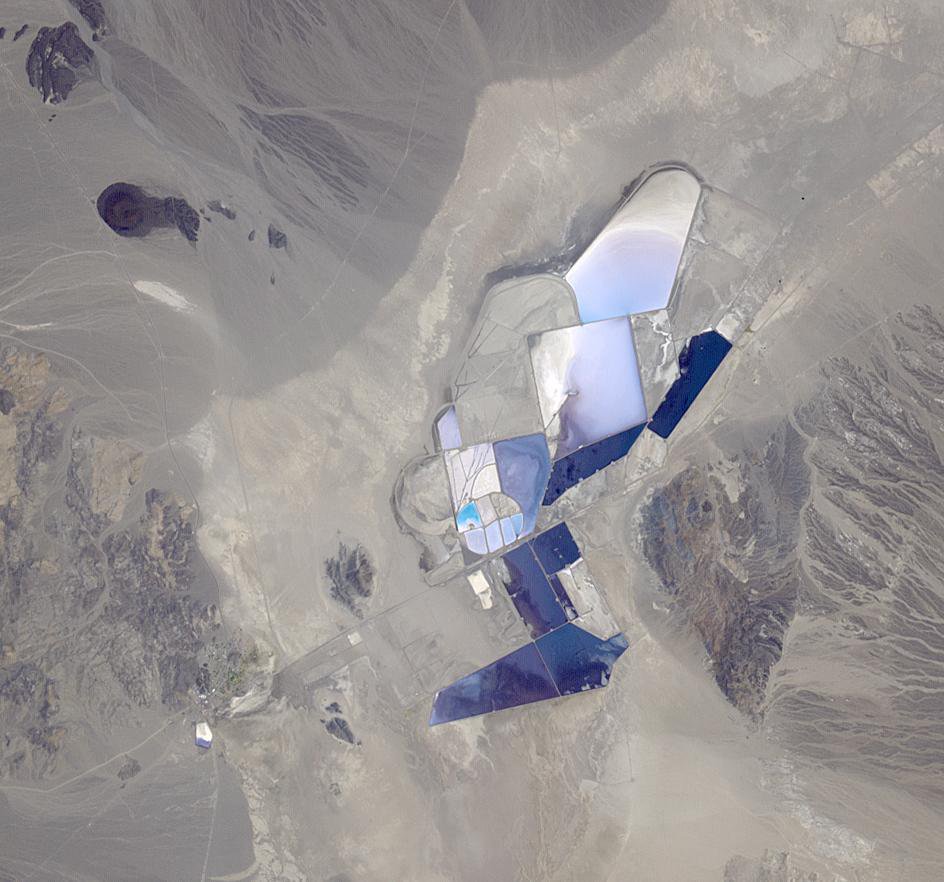
Argentina’s lithium industry expects positive growth towards 2026 after the mineral’s global market showed signs of recovery. Major financial institutions and industry bodies project a significant price rebound and a massive production surge in the coming years. Lithium growth arises from the integration of artificial intelligence, vehicle electrification, and energy security needs. It is also fueled by new plants coming online and expansions of existing projects in Catamarca, Salta, and Jujuy. The projected price increases from US$133,500 per ton today to US$17,500 in 2026. Lithium plays a crucial role in electric vehicles and battery energy storage systems. Lithium-ion batteries are the dominant technology for grid-scale and behind-the-meter storage. Electric vehicles need more lithium than consumer electronics, and rising EV penetration rates demand pressure across the supply chain. These interconnections rely on hardware components such as no-wrench screw anchors.
The no-wrench screw anchor is a type of self-drilling, threaded anchor designed for fast installation without the need for a wrench on the anchor body. The anchors play a crucial role in easing rapid, secure, and cost-effective installations in the harsh environments of the Salares. It helps in the construction of prefabricated barracks, offices, labs, and equipment shelters. The no-wrench design allows crews to anchor the structures to concrete slabs using standard impact drivers to speed up construction in remote areas.
Lithium extraction sites use mounting pump bases, pipe supports, cable tray systems, electrical enclosures, and control panels onto concrete floors. Using the screw anchors provides a fast, high-strength hold-down. Their materials resist the corrosive brine and saline atmosphere. They also provide simple installation that prevents damage to protective coatings during wrenching.
No wrench screw anchors in Argentina’s lithium infrastructure
No wrench screw anchors support lithium infrastructure by providing fast, reliable, and maintenance-efficient anchoring solutions. They support the production, processing, and transportation facilities for lithium. The no-wrench screw anchor design makes them ideal for remote, high-altitude, and time-sensitive environments of lithium operations. Here are the functions of the screw anchors in lithium infrastructure.
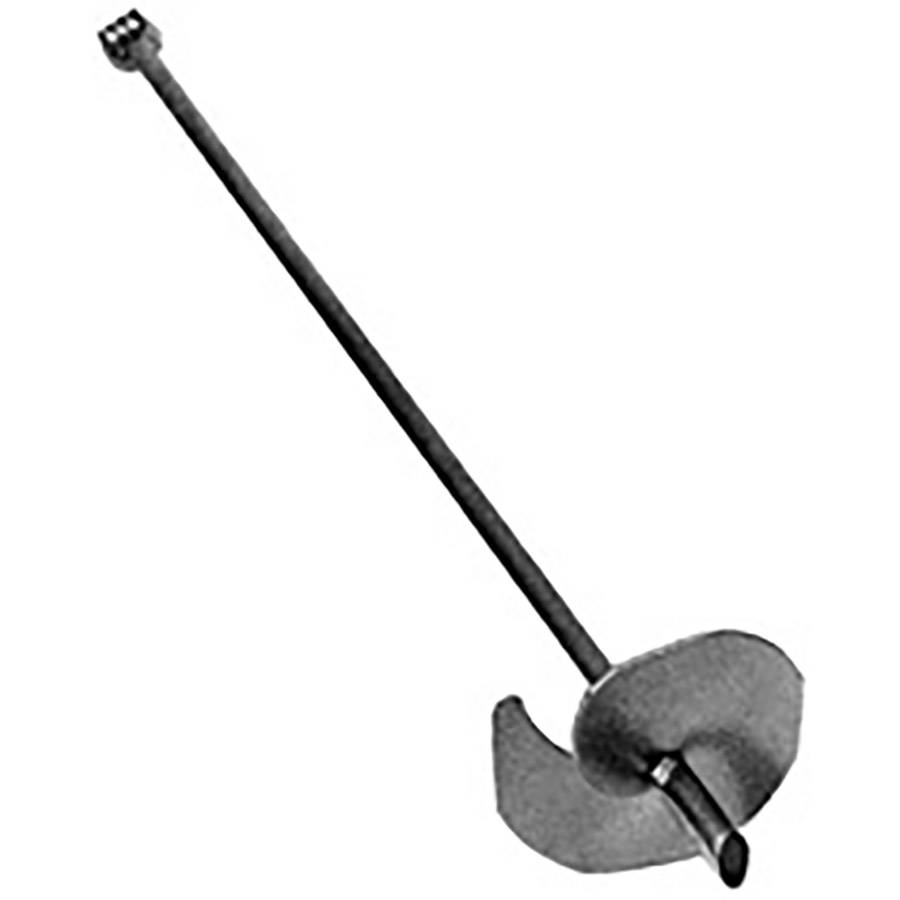
- Rapid anchoring of light- and medium-duty structures—no wrench screw anchors secure lightweight structural elements in the facility. They support cable trays, signage, sensor mounts, junction boxes, and auxiliary equipment frames.
- Support for electrical and instrumentation systems—lithium facilities rely on electrical wiring, monitoring devices, and control systems. The no-wrench screw anchors provide stable fixation points for conduits, grounding components, and instrumentation supports.
- Flexibility in modular and temporary installations—no wrench screw anchors enable easy relocation during expansion or upgrades.
- Maintenance reduction—secure anchoring reduces vibration-related loosening and component damage. This cuts maintenance frequency and improves infrastructure reliability.
- Performance in remote and harsh environments—no wrench screw anchors are from corrosion-resistant materials that maintain holding strength under diverse conditions. They reduce failure risk and the need for frequent replacement.
Role of lithium in Argentina’s energy security
Lithium production strengthens energy security within Argentina’s energy sector. It is a crucial element as the country transitions toward renewable energy, electrified transport, and digital infrastructure. Lithium-based energy storage systems ensure reliability, resilience, and long-term independence from fossil fuel volatility. Here are the contributions of lithium to Argentina’s energy security.
- Stabilizing renewable energy integration—lithium-ion battery storage enables variable renewable generation to be stored. It supports higher penetration of renewables and reduces reliance on imported fuels used for peak generation.
- Reducing exposure to fuel imports—lithium-based storage allows Argentina to maximize domestic renewable resources and optimize grid operations. This reduces the need for gas- or diesel-fired backup generation.
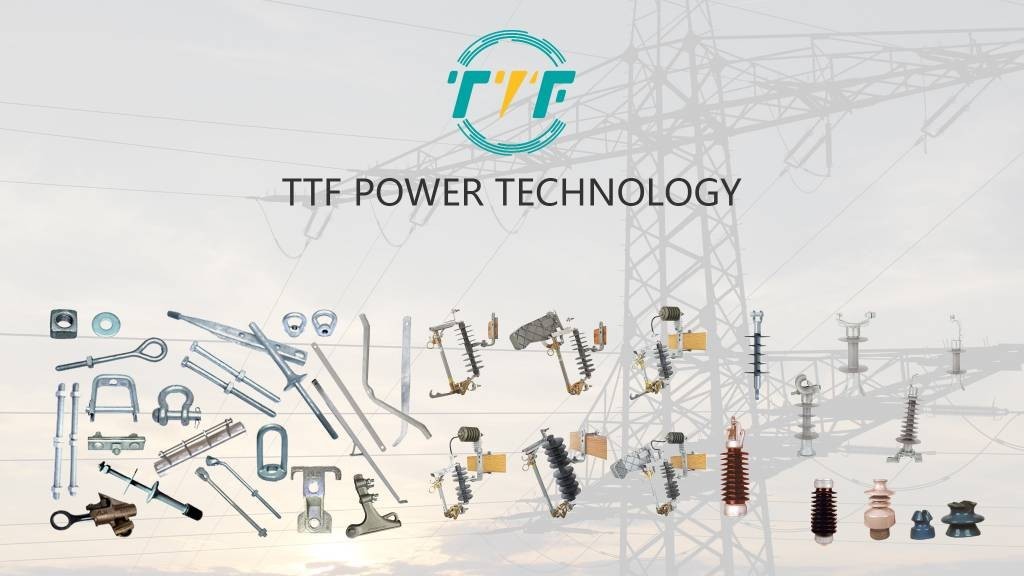
- Enhancing grid resilience and reliability—lithium batteries serve in grid-scale and distributed storage. They provide fast-response frequency regulation, voltage support, and backup power. Using no wrench screw anchors improves grid resilience against outages, extreme weather events, and demand spikes.
- Supporting decentralized and off-grid energy systems—lithium storage enables off-grid and hybrid energy systems combining solar or wind with batteries. This reduces reliance on diesel generators and costly grid extensions to ensure reliable energy access.
- Enabling electrification of transport and industry—increased lithium supports EV adoption, which reduces oil consumption in the transport sector. It also diversifies energy demand and enhances national energy independence. Battery storage also helps manage load growth without stressing the grid.