
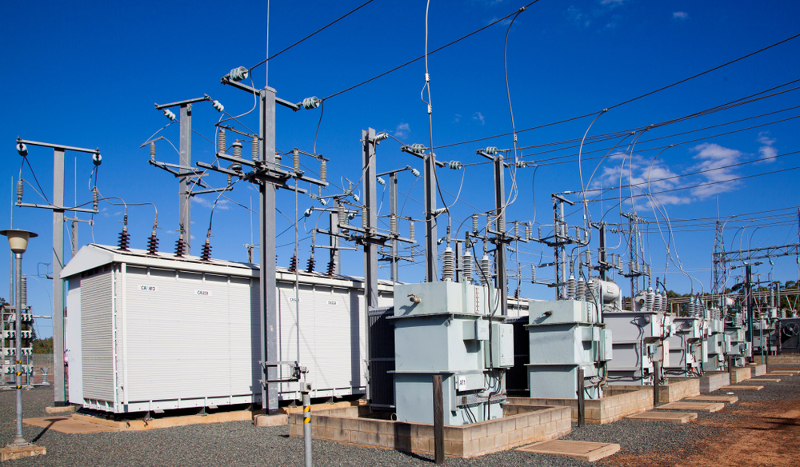
Recently, Argentina acquired a US$300 Mn financing from the International Funding Corporation for the largest power generation, Central Puerto. This funding is crucial to allow the installation of the 150 MW of energy storage capacity in the Buenos Aires metropolitan area. The funding will also help acquire the 1.44 GW hydropower plant. The investment aims to enhance the reliability and flexibility of the national power system. It will also support the integration of renewable energy and boost the country’s competitiveness. The funding will also support the installation of the 150 MW Nuevo Puerto battery energy storage system, the largest utility-scale energy storage contract in Argentina. Additionally, the investment promotes private sector participation, attracts capital, strengthens energy markets, and creates jobs. The investment contributes to grid stabilization and improved productivity in Argentina. These developments demand the use of robust power line hardware components such as shackle insulators.
Using electrical insulators in the modernization infrastructure ensures reliability, safety, and efficiency goals of the program. The project aims to replace the outdated insulators with modern, polymer, or improved porcelain shackle insulators. These offer better contamination resistance and are more resistant to impact. Additionally, shackle insulators create an insulated terminal point to reduce the risk of accidental contact and electrical hazards. This is crucial in modernization efforts focused improved working conditions for utility maintenance teams.
Shackle insulators provide the mechanical strength to handle increased conductor tension at critical points. The insulators contribute to Argentina’s focus on reliability, renewable integration, and loss reduction. They do so by reducing technical losses, improving service quality, and enabling safety for grid hardening. Upgrading shackle insulators strengthens the network’s structure to handle new power flow patterns. Using the insulators supports broader goals of grid resilience and sustainable energy expansion.
Shackle insulators supporting Argentina’s upgrades and modernization goals
Shackle insulators play a crucial role in power grid modernization, where network densification, renewable integration, and reliability upgrades are underway. The insulators provide mechanical strength and electrical insulation. This is crucial to enhance the reliability and efficiency of the upgraded distribution networks. Here are the functions of the shackle insulators in modernization infrastructure.

- Mechanical support for low- and medium-voltage lines—shackle insulators provide mechanical support and electrical insulation for conductors in distribution networks. The insulators are able to withstand mechanical stress and maintain conductor alignment.
- Flexible installation in urban and rural upgrades—shackle insulators offer installation flexibility for diverse pole configurations.
- Improved reliability and fault reduction—the insulators reduce the risk of faults by maintaining proper conductor separation and insulation. Using the insulators in the modernization infrastructure improves network reliability and reduces outage frequency.
- Durability in harsh environmental conditions—modern shackle insulators are able to resist UV exposure, pollution, moisture, and mechanical fatigue. This ensures long service life and reduces maintenance needs.
- Compatibility with modern conductors—shackle insulators are compatible with aerial bundled conductors. This provides secure anchoring without compromising insulation integrity.
- Cost-effective modernization component—shackle insulators provide a high performance-to-cost ratio. They provide simple design, ease of installation, and low maintenance needs.
Impacts of the funding on Argentina’s power sector
Increased funding in Argentina’s power sector leads to transformations across the energy landscape. The capital infusions enable structural improvements that enhance reliability, support renewable energy integration, and strengthen economic competitiveness. The key impacts are as discussed below.
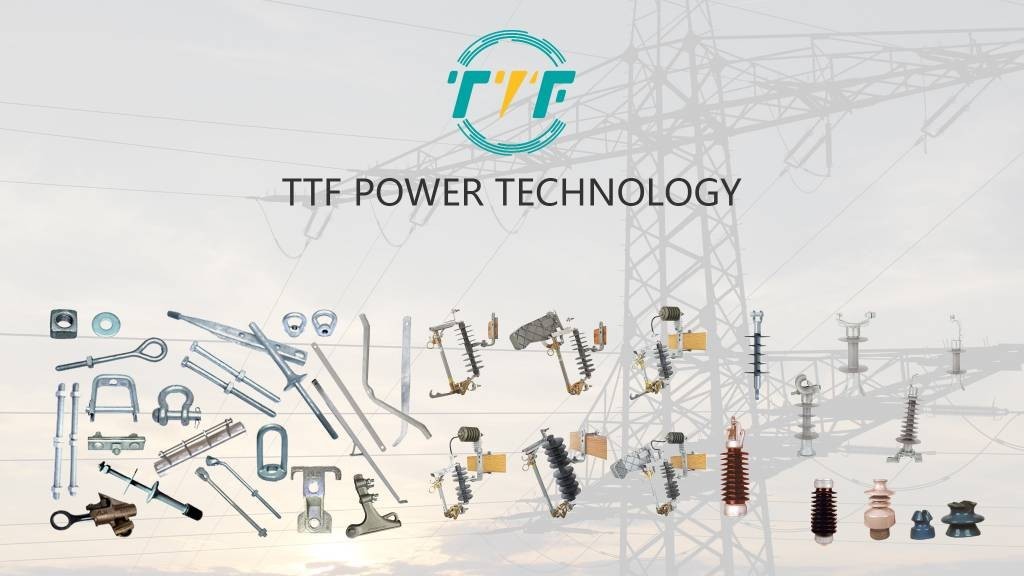
- Enhanced grid reliability and system resilience—increased funding supports modernization of aging infrastructure to reduce outages. Investments in generation assets, transmission lines, and distribution technologies help stabilize the grid.
- Renewable energy integration—the funding leads to faster integration of renewable energy, including solar, wind, and hydro. It enables grid-scale battery energy storage systems, flexible generation capacity, and transmission upgrades connecting renewable areas to consumption areas.
- Infrastructure modernization—the funding allows utilities and operators to adopt advanced infrastructure. These include smart grid technologies, automated protection, and high-performance conductor and insulation components.
- Economic competitiveness and investment confidence—financing leads to lower financing costs, attracts private capital, and expands local supply chains. Financial stability in the power sector supports broader economic growth by ensuring dependable energy.